

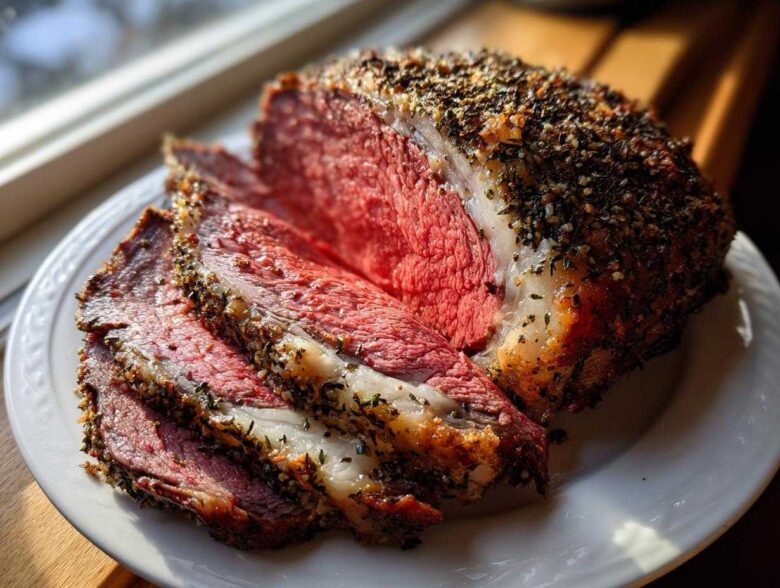
Oh, I know that feeling! You’ve got that stunning piece of meat sitting on the counter, it’s your first time tackling a big Christmas Beef Roast, and your stomach is already doing flip-flops. I used to be terrified of ruining the centerpiece of the whole holiday meal. My early attempts at a prime rib recipe were… well, let’s just say the results were uneven, or frankly, just gray! But don’t worry about that anymore. I finally cracked the code, and I promise you, this Fool Proof Prime Rib Method using that quick high-heat blast is absolutely magical. It guarantees you a Juicy Tender Prime Rib that everyone will rave about. Seriously, you won’t believe how simple it is to get that Perfect Medium Rare Roast Beef now that I know the secret!
I learned the hard way that precision matters when you’re cooking something this expensive and this important. Because of all those kitchen disasters, I’m obsessively detailed now. You can trust my journey to get you to perfect results on your very first try. This isn’t just any recipe; this is my fail-safe strategy for a wow-worthy Holiday Prime Rib Dinner, every single time.
Why This is the Best Oven Roasted Prime Rib
Listen, there are a lot of ways to cook a roast, but what makes mine the Best Oven Roasted Prime Rib is just how relaxed I feel when I put it in the oven. We’re using science here, not guesswork! This is the Fool Proof Prime Rib Method because we rely on temperature, not just a clock. That means we get that gorgeous, Juicy Tender Prime Rib interior without any anxiety.
Achieving a Perfect Medium Rare Roast Beef Every Time
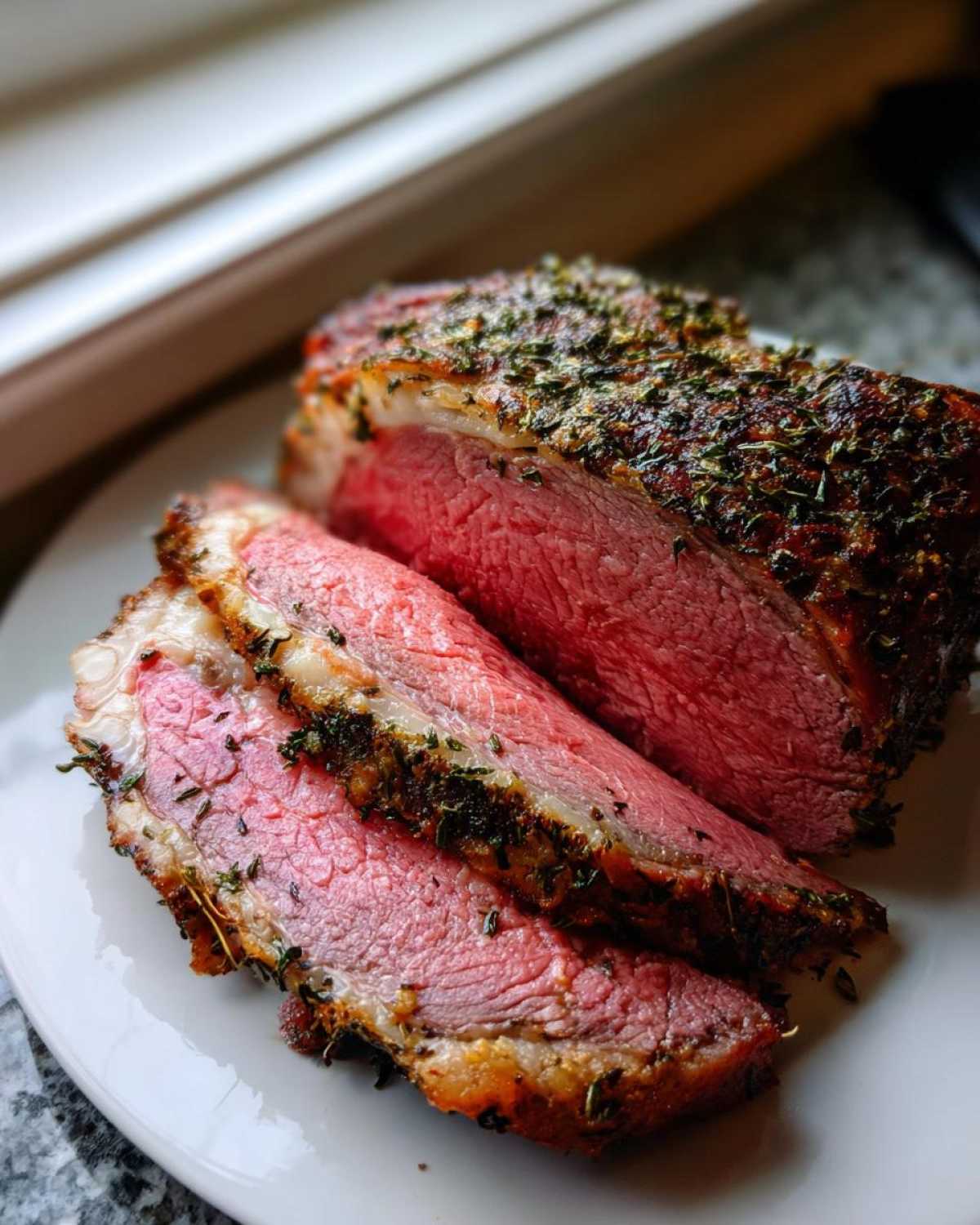
Forget guessing if it’s done! Timing a huge roast is impossible because every oven is different, and every cut of beef is slightly unique. We use a meat thermometer, and we let the roast rest when it hits that magic number. That resting time is crucial because it lets the heat gently even out through the entire roast—that’s how you guarantee that Perfect Medium Rare Roast Beef edge to edge.
Flavor Profile: Garlic Herb Rub Prime Rib
While the technique keeps it juicy, the flavor keeps everyone coming back for more of this prime rib recipe! We aren’t messing around with weak seasonings. That homemade butter paste locks in moisture and creates this seriously savory, earthy crust. The rosemary and thyme are bright, and the roasted garlic just melts into the meat. It’s the defining flavor of a great Garlic Herb Rub Prime Rib!
Ingredients for Your Fool Proof Prime Rib Recipe
Okay, let’s talk ingredients! You only need a few simple things for this prime rib recipe, but the quality really makes a difference. Don’t substitute that butter, please! Make sure everything is prepped and ready before we even think about turning on that oven. These measurements create the perfect coating for about a 6-pound roast.
Here is what you’ll need:
- One (5-7 lb) bone-in prime rib roast, trimmed
- 4 tablespoons unsalted butter, completely softened
- 4 cloves garlic—and I mean truly minced
- 2 tablespoons fresh rosemary, chopped finely
- 1 tablespoon fresh thyme leaves
- 2 teaspoons coarse salt
- 1 teaspoon black pepper
- 1 teaspoon onion powder
- 1 teaspoon garlic powder
If you skip softening that butter, your rub won’t spread right, and that’s all there is to it!
Essential Equipment for the Ultimate Prime Rib Roast Recipe
Setting up your kitchen correctly is half the battle when you’re making something as important as this Ultimate Prime Rib Roast Recipe. You don’t need a ton of fancy gadgets, but if you skip these three things, you’re going to make things way harder for yourself. Trust me, investing in the right tools makes following this prime rib recipe foolproof because it minimizes any real guesswork in the process.
For this Standing Rib Roast Recipe, you absolutely need:
- A sturdy roasting pan with a rack insert.
- Plenty of aluminum foil for resting.
- Your Garlic Herb Rub Prime Rib ingredients ready to go.
Why You Need a Reliable Meat Thermometer
Okay, I cannot stress this enough: If you try to guess doneness on a roast this thick, you’re asking for trouble. That beautiful Perfect Medium Rare Roast Beef look? It only happens when you hit that internal temperature exactly right. You’re not looking for a cheap plastic one; you need a reliable meat thermometer, preferably one you can leave in the roast while it cooks. This is the single most important tool for success in this whole Easy Cooking Prime Rib process. It’s the only way to guarantee results for an Impress Guests Roast Recipe!
How to Prepare Your Standing Rib Roast Recipe
Before we even think about preheating the oven—which, let’s be honest, we’re setting to a whopping 500 degrees!—we have a couple of non-negotiable prep steps for this Standing Rib Roast Recipe. First, you absolutely must get that roast out of the fridge. I mean, seriously, get it out at least two to three hours before you plan to cook it. If you try to rub cold butter on a cold roast, it just won’t happen evenly, and that’s the first step toward uneven cooking.
Creating the Garlic Herb Rub
While the roast is warming up, whip up that amazing butter rub. You want your butter to be truly softened—think spreadable, like a good conditioner for your bread, but definitely not melted or greasy. Toss that softened butter with your minced garlic, chopped rosemary, thyme, salt, and spices in a small bowl. Mash it all together until it’s one cohesive, fragrant paste. It should look thick enough to stick right to the meat when you apply it.
Bone In Prime Rib Instructions: Preparing the Roast
Once the butter paste is ready, grab some paper towels and just blot that roast completely dry. Seriously, pat it down everywhere! A dry surface is the secret to building that crispy, flavorful crust we want in our prime rib recipe. Now, take your herb butter and just massage it all over that glorious piece of beef. Make sure you cover every single inch, top, sides, everywhere, so every bite has that savory flavor!
Step-by-Step Instructions for the Fool Proof Prime Rib Method
Alright, brace yourself, because this is where the magic happens! This method is what makes this such an Easy Cooking Prime Rib solution. The first thing you need to do is crank that oven up—we are preheating it to 500 degrees Fahrenheit. Yes, 500! Place your herb-coated roast fat-side up on that rack in the roasting pan.
Now, here’s the blast. You’re going to roast that beauty at 500 degrees for exactly 15 minutes. Don’t peek! This initial high blast starts searing the outside and builds that incredible crust on your Herb Crusted Roast Beef. After those 15 minutes are up, reduce the temperature down to 325 degrees Fahrenheit. Keep the door closed! We don’t want to lose that heat we just built up.
Now it’s low and slow time until we hit our target temperature. For that perfect medium-rare, you are aiming for 125 degrees Fahrenheit when you pull it out. Insert your thermometer into the thickest part, away from any bone. This usually takes about 13 to 15 minutes per pound *after* that initial blast. Once you hit 125°F, pull that roast out immediately! Seriously, take it out right then.
The Critical Resting Period for Your Prime Rib with Au Jus Sauce
This is the step most folks mess up when they’re trying to make a Tender Roast Beef Recipe, and it’s the secret to the juiciest meat. You must let it rest! Tent the roast loosely with foil—don’t wrap it tight, or the crust will steam. Let it sit on the counter for a full 20 minutes. What’s happening is that the internal juices, which were busy in the heat, are now relaxing and redistributing throughout the meat. That temperature will climb up another 5 to 10 degrees by itself, which is called carryover cooking, landing you perfectly between 130°F and 135°F. That’s exactly where you want to be for this Prime Rib with Au Jus Sauce!
For more details on cooking safety and procedures, check out my general disclaimer here: Cooking Best Practices Disclaimer. Then slice it thick and watch everyone’s jaws drop!
Tips for Success with Your Holiday Prime Rib Dinner
Making your Holiday Prime Rib Dinner centerpiece should be exciting, not stressful! Now that you know the basic steps for this incredible prime rib recipe, let’s talk about those little curveballs the oven likes to throw at us. Even with the Fool Proof Prime Rib Method, sometimes things run a tiny bit differently, especially when dealing with really large cuts or that stunning bone structure.
My number one tip, forever and always, is trust the thermometer, not the clock! But okay, here are a few other tricks I’ve picked up keeping my Standing Rib Roast Recipe perfect over the years.
Troubleshooting Common Issues
What happens if 13 minutes per pound goes by and your reading is still sitting way down at 110°F? Don’t panic! If your roast seems to be taking forever, just keep the oven door shut and let it ride. Sometimes a very large, cold roast just needs that extra nudge. If you notice your beautiful garlic herb crust starting to get a little too dark before the center hits temperature—and I mean really dark, almost black—just grab a small piece of foil and loosely tent the top of the roast. This protects that gorgeous flavor crust while the inside finishes cooking. Never wrap it tight, though; we want that crust crisp!
Also, let’s touch on the bone factor for a second. If you went for that big bone-in cut, keep in mind the bones actually insulate the meat closest to them. This means the meat right near the bone might cook ever so slightly slower than the outer edge. When you’re checking the temperature for your Perfect Medium Rare Roast Beef, make sure you are pushing that probe deep into the thickest part of the muscle, pointing it toward the center of the roast, but making sure you aren’t accidentally touching the bone itself. Touching the bone gives you a false, hotter reading!
Serving Suggestions for Your Impress Guests Roast Recipe
So, you’ve pulled that breathtaking roast out, it’s resting beautifully, and now you get to have fun with the sides! You’ve put in all this work on your prime rib recipe, so don’t drown that amazing flavor with fussy, competing dishes. We want classic pairings that let that rich, garlicky beef shine. I always lean toward simple, elegant sides that feel special without requiring me to be stuck at the stovetop while the guests wait.
For me, the perfect plating involves something creamy, something green, and definitely something to sop up those juices. Think about creamy mashed potatoes or even a lovely baked potato bar. A side of roasted asparagus or creamed spinach holds up really well against the richness of the beef. And let’s not forget the gravy!
Making a Simple Pan Dripping Sauce
While your roast is resting for those glorious 20 minutes, that roasting pan is holding liquid gold—those browned bits stuck to the bottom are intensely flavorful! This is just the starting point for the easiest Prime Rib with Au Jus Sauce you’ll ever make. Don’t even think about throwing those drippings away!
Here’s the quick cheat sheet. Once you’ve transferred the roast to the cutting board, put the roasting pan right over a burner on medium heat—carefully! If there’s too much fat clinging to the bottom, spoon some of that excess grease off into a small heat-safe bowl. Then, once the pan is sizzling gently, pour in about a cup of good quality beef broth or even red wine. Use a wooden spoon or spatula to vigorously scrape up all those dark, tasty bits stuck to the bottom. That scraping action is called deglazing, and it releases all the flavor. Let it simmer until it reduces a little, taste it, and that’s your perfect, naturally rendered au jus! It takes 5 minutes max, and it makes such a difference to the final presentation of your Impress Guests Roast Recipe.
Storing and Reheating Your Tender Roast Beef Recipe
You’ve conquered the prime rib recipe, but now what about the leftovers? Honestly, even day-two prime rib is better than most people’s day-one meals, but only if you store and reheat it correctly. The biggest danger with reheating this beautiful, Tender Roast Beef Recipe is drying it out. We worked so hard to get that perfect edge-to-edge medium-rare, so we can’t let it turn into shoe leather in the microwave, right?
First things first: storage. Once the roast has cooled down completely after resting, slice off the leftovers you plan to eat within three or four days. Pop those slices into a truly airtight container. If you’re planning on keeping it longer than four days, honestly, freezing is your best bet. Wrap the slices tightly in plastic wrap first, then slip them into a heavy-duty freezer bag. You can easily keep my prime rib recipe frozen beautifully for up to three months.
When it comes to reheating? Do NOT use the microwave for the whole thing unless you enjoy sad, gray meat! The absolute Best Way to Cook Prime Rib for leftovers is low and slow in the oven, using moisture to protect it. Set your oven to a very gentle 250 degrees Fahrenheit. Place your thin slices in a shallow baking dish. Now, here’s the secret for keeping that Juicy Tender Prime Rib texture: Pour just a shallow layer of beef broth or the leftover Prime Rib with Au Jus Sauce right into the bottom of that baking dish. You only want the broth to come up about halfway up the side of the meat slices. Cover that dish tightly with foil so the steam stays trapped inside. This gentle heat and moisture bathing will warm the meat right back up without cooking it further, preserving all that juicy goodness we worked so hard for!
Frequently Asked Questions About This Prime Rib Recipe
I know you looked through all those steps, but sometimes you just have one burning question left when you’re standing there with the roast in your hands! It’s totally normal. When you’re aiming for the Best Way to Cook Prime Rib, you want every detail ironed out. Here are a few things people always ask me about this prime rib recipe after they’ve planned their Holiday Prime Rib Dinner.
Can I use the Slow Roasted Prime Rib method instead?
You absolutely *can* try a Slow Roasted Prime Rib method, but I have to be honest: this specific recipe—the 500-degree blast followed by the 325-degree hold—is perfectly engineered around that initial sear. It’s designed for speed and crust development, which is why it’s my go-to for an Easy Cooking Prime Rib! Pure slow roasting relies only on low heat for hours, meaning you miss out on that fantastic crunchy exterior we get from the high-heat start. If you choose slow roasting, you need to monitor the temperature much more carefully throughout the entire cook time and probably skip that initial 15-minute blast altogether.
What temperature should I pull the roast for medium doneness?
That’s a great question, especially if you have guests who don’t love super pink centers! While this whole prime rib recipe is geared toward a perfect medium-rare finish (130°F–135°F after resting), if someone asks for true medium, you need to pull the roast out of the oven a little sooner. For medium doneness, you should remove your roast when the thermometer reads 130 degrees Fahrenheit. Remember, the roast will continue cooking as it rests—that glorious carryover cooking—so pulling it at 130°F will land you right around 135°F to 140°F when you finally slice into it. Planning for that rise is key to getting a beautiful Tender Roast Beef Recipe!
If you have any other questions or want to share your success, feel free to reach out via my contact page! I love hearing how these family recipes work out for your big dinners.
Nutritional Estimates for This Roast Beef
I know, I know, when you’re making a show-stopping prime rib recipe for a holiday, the numbers aren’t usually top of mind! But since this is such a rich cut of meat, I like to be transparent about what’s in the final product, just in case you or your guests track things like fat or protein intake. This information helps you plan the rest of your Holiday Prime Rib Dinner menu, you know?
Please remember that every single number here is just an estimate. It heavily depends on the exact size of your cut, how much of that delicious fat cap you trim off, and how much of the pan drippings you use for your Prime Rib with Au Jus Sauce!
These estimates are calculated per 6-ounce serving of the cooked roast:
- Calories: 450
- Fat: 35 grams (Remember, 15g of that is saturated fat—it’s a treat!)
- Protein: 35 grams (That’s fantastic power for your guests!)
- Sodium: 350 mg (mostly from the seasoning rub)
- Cholesterol: 120 mg
- Carbohydrates and Fiber: 0 grams (Yep, this is pure protein and fat!)
This is certainly not an everyday meal, but for a special feast, it’s absolutely worth it. If you are counting macros or watching sodium, this Best Way to Cook Prime Rib might mean using less of the flavorful herb rub on your portion. For full food safety guidelines regarding meat handling, you can always check out my Privacy Policy and Usage Notes, just to be safe! Enjoy the indulgence!
Share Your Christmas Beef Roast Success
Whew! We made it! You now have all the secrets to creating an absolutely flawless prime rib recipe that will earn you legendary status at the dinner table. You’ve nailed the 500-degree blast, you’ve nailed the rest, and I know your kitchen smells incredible right now. That overwhelming feeling of success when you slice into that first piece of perfectly pink beef? That’s the best part of the whole process, hands down!
Now that you’ve conquered this Christmas Beef Roast challenge, I really, really want to hear about it! Nothing makes me happier than knowing this tried-and-true method worked for your family gathering. Did your husband finally stop buying those pricey meat thermometers because you nailed the temperature the first time? Tell me everything!
Please don’t be shy—head down to the comments section below and leave a rating for this prime rib recipe. Were the garlic and herbs just right? Did you manage a perfect medium-rare? If you tried this Impress Guests Roast Recipe and absolutely loved the results, sharing that feedback really helps other nervous cooks feel brave enough to try things like this next year. And if you snapped a photo of that epic centerpiece before everyone dove in, I would just about cry with happiness if you shared it on social media and tagged me!
Hearing about your triumphs—especially how easy this Easy Cooking Prime Rib turned out to be—is honestly why I share all these detailed family secrets. Go ahead, brag a little! You’ve earned it!
PrintFool-Proof Garlic Herb Prime Rib Roast
A reliable recipe for cooking a juicy, tender prime rib roast using a simple temperature method for perfect medium-rare results.
- Prep Time: 20 min
- Cook Time: 140 min
- Total Time: 180 min
- Yield: 6-8 servings
- Category: Main Course
- Method: Oven Roasting
- Cuisine: American
- Diet: Low Fat
Ingredients
- 1 (5-7 lb) bone-in prime rib roast, trimmed
- 4 tablespoons unsalted butter, softened
- 4 cloves garlic, minced
- 2 tablespoons fresh rosemary, chopped
- 1 tablespoon fresh thyme leaves
- 2 teaspoons coarse salt
- 1 teaspoon black pepper
- 1 teaspoon onion powder
- 1 teaspoon garlic powder
Instructions
- Remove the roast from the refrigerator 2-3 hours before cooking to allow it to come to room temperature.
- Preheat your oven to 500 degrees Fahrenheit.
- In a small bowl, mix the softened butter, minced garlic, rosemary, thyme, salt, pepper, onion powder, and garlic powder to create the herb butter rub.
- Pat the entire surface of the prime rib dry with paper towels.
- Rub the herb butter mixture evenly over the entire roast.
- Place the roast, fat-side up, in a roasting pan fitted with a rack.
- Roast at 500 degrees Fahrenheit for exactly 15 minutes.
- Reduce the oven temperature to 325 degrees Fahrenheit. Do not open the oven door.
- Continue roasting until the internal temperature reaches 125 degrees Fahrenheit for medium-rare (use a meat thermometer inserted into the thickest part, avoiding bone). This usually takes about 13-15 minutes per pound after the initial blast.
- Remove the roast from the oven when it reaches 125 degrees Fahrenheit.
- Tent the roast loosely with aluminum foil and let it rest for 20 minutes before carving. The internal temperature will rise to about 130-135 degrees Fahrenheit during resting.
- Slice and serve immediately, optionally with pan drippings or Au Jus.
Notes
- For bone-in roasts, the bones act as insulation, helping the meat cook more evenly.
- Always use a reliable meat thermometer to check doneness; visual cues are not precise enough for prime rib.
- If you prefer medium, remove the roast when it reaches 130 degrees Fahrenheit before resting.
Nutrition
- Serving Size: 6 oz cooked
- Calories: 450
- Sugar: 0
- Sodium: 350
- Fat: 35
- Saturated Fat: 15
- Unsaturated Fat: 20
- Trans Fat: 1
- Carbohydrates: 0
- Fiber: 0
- Protein: 35
- Cholesterol: 120