

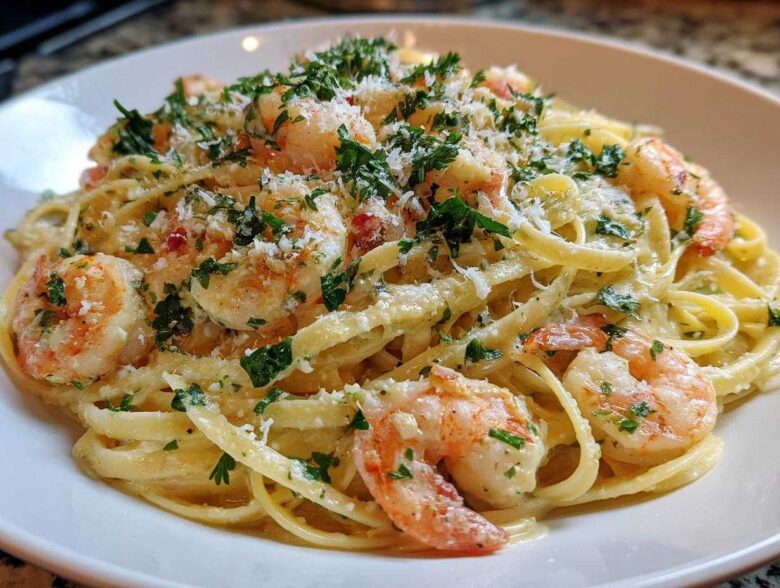
Oh, the weeknight dinner dilemma—we’ve all been there, right? You’re staring into the fridge at 6 PM, desperate for something that tastes like you spent hours slaving away, but you only have about 30 minutes before hunger wins. That’s exactly why I’m sharing my absolute favorite fix: this Creamy Lemon Garlic Shrimp Pasta Fresh Taste. Seriously, this is my go-to. It’s a one-pan wonder, which means cleanup is a dream, but the flavor is pure gourmet!
I struggled for ages trying to get that perfect sauce balance—you know, where it’s rich from the cream but still tastes bright and zingy from the lemon. After a few messy attempts, I finally nailed the trick of using both the lemon juice *and* the zest right at the end. Trust me, this is the best shrimp pasta because it hits all those notes perfectly. It’s bright, it’s decadent, and it’s ready before you can even decide what to watch on TV!
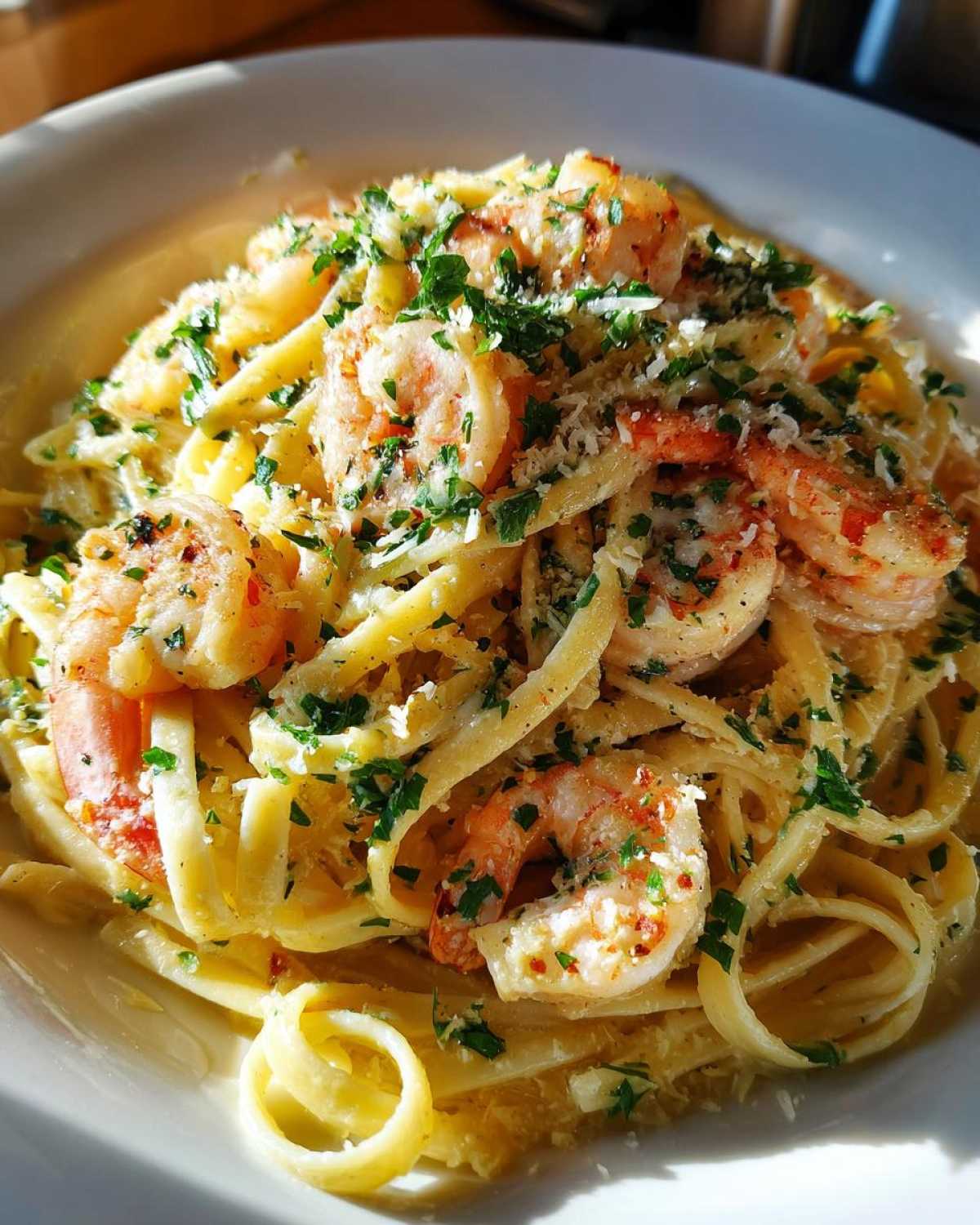
Why This Creamy Lemon Garlic Shrimp Pasta Fresh Taste Recipe Works
This isn’t just another shrimp dish, folks; it’s efficient magic for your dinner table. When you need something that feels special but doesn’t demand your entire evening, this is the recipe you pull out. It’s the absolute definition of a fast, incredibly flavorful meal.
- Speed Demon: We’re talking 30 minutes total here. It’s one of my favorite speedy pasta dishes ready in 30 minutes.
- Minimal Mess: It’s a true one-pan wonder, which means less time scrubbing pots later!
- Flavor Wow: It manages to be deeply creamy without tasting heavy. The fresh lemon cuts right through, giving it that amazing ‘Fresh Taste’ you’re looking for.
Ingredients for Your Creamy Lemon Garlic Shrimp Pasta Fresh Taste
Okay, getting the ingredients assembled is half the battle—and honestly, the secret to getting that perfect, bright lemon flavor—is using *fresh* stuff. Don’t even think about grabbing jarred lemon juice here; it just won’t do! We need power from that fresh zest and juice to cut through the richness of the cream. This list is short, which is another big win for those busy nights when you’re craving a simple lemon sauce for pasta that tastes like it took ages to make.
- 1 pound linguine or fettuccine pasta
- 1 pound large shrimp, peeled and deveined
- 2 tablespoons olive oil
- 4 cloves garlic, minced (yes, 4! Don’t be shy!)
- 1/2 cup dry white wine or chicken broth
- 1 1/2 cups heavy cream
- 1/2 cup grated Parmesan cheese, plus more for serving
- 1/4 cup fresh lemon juice
- 1 tablespoon lemon zest
- 1/2 teaspoon salt
- 1/4 teaspoon black pepper
- 1/4 cup fresh parsley, chopped
Step-by-Step Guide to Making Creamy Lemon Garlic Shrimp Pasta Fresh Taste
This is where the magic happens, and trust me, it moves fast! Since everything is done in one skillet, make sure you have all your ingredients prepped and ready to go before you even look at the stove. We’re aiming for a beautiful flow here, which means no stopping mid-sauce to realize you haven’t minced your garlic yet.
Preparing the Pasta and Shrimp Base
First things first: get that pasta cooking! Boil your linguine or fettuccine until it’s just shy of done—we call that ‘al dente.’ The most critical move right now? Before you drain it, scoop out a full cup of that starchy, cloudy cooking water. This water is liquid gold for thinning out our sauce later and making it cling perfectly! Drain the pasta and set it aside for just a moment.
Now for the shrimp. Just a little salt and pepper is all they need. Heat up that olive oil in your biggest skillet over medium heat. Toss in the minced garlic right away, and stir constantly for just 30 seconds. If that garlic starts turning brown, take the pan off the heat! Burnt garlic tastes bitter, and we don’t want that in our gorgeous garlic butter shrimp pasta. Once the garlic smells great, add the shrimp and cook them until they just turn pink—about two or three minutes per side. Pull those beauties out and let them rest; they’ll finish cooking in the sauce later. Don’t skip this step, or you’ll end up with rubbery shrimp!
Building the Bright Lemon Garlic Pasta Sauce
With the pan empty of shrimp, pour in your white wine or broth. Turn the heat up just slightly and use your wooden spoon to scrape up all those tiny flavor bits stuck to the bottom—that’s pure flavor right there, called fond! Let that reduce for about a minute until it smells less boozy and more savory. This initial step sets the stage for our creamy lemon sauce.
Now, turn the heat way down to low! Heavy cream goes in next, along with the fresh lemon juice and zest. We want a gentle simmer here, nothing aggressive. Let it bubble softly for maybe two minutes so it starts to hug the back of the spoon. Then, whisk in that grated Parmesan cheese slowly until everything melts into a smooth, luscious dream. If it looks too thick, use a little of that reserved pasta water now to loosen it up until it’s glossy.
Combining and Finishing the Creamy Lemon Garlic Shrimp Pasta Fresh Taste
Time to bring it all home! Return the cooked pasta and the cooked shrimp back into the skillet with the sauce. Toss everything together gently but thoroughly. You want every single strand of pasta coated in that vibrant Italian sunshine we built. This final toss is what makes this Creamy Lemon Garlic Shrimp Pasta Fresh Taste recipe so addictive. If it looks a bit tight, add another splash of pasta water until it’s perfectly saucy, not soupy.
Last step before serving: stir in that freshly chopped parsley. That burst of green is what elevates this whole dish from good to restaurant-quality. Taste it one last time for salt and pepper, then serve immediately with a snowstorm of extra Parmesan on top!
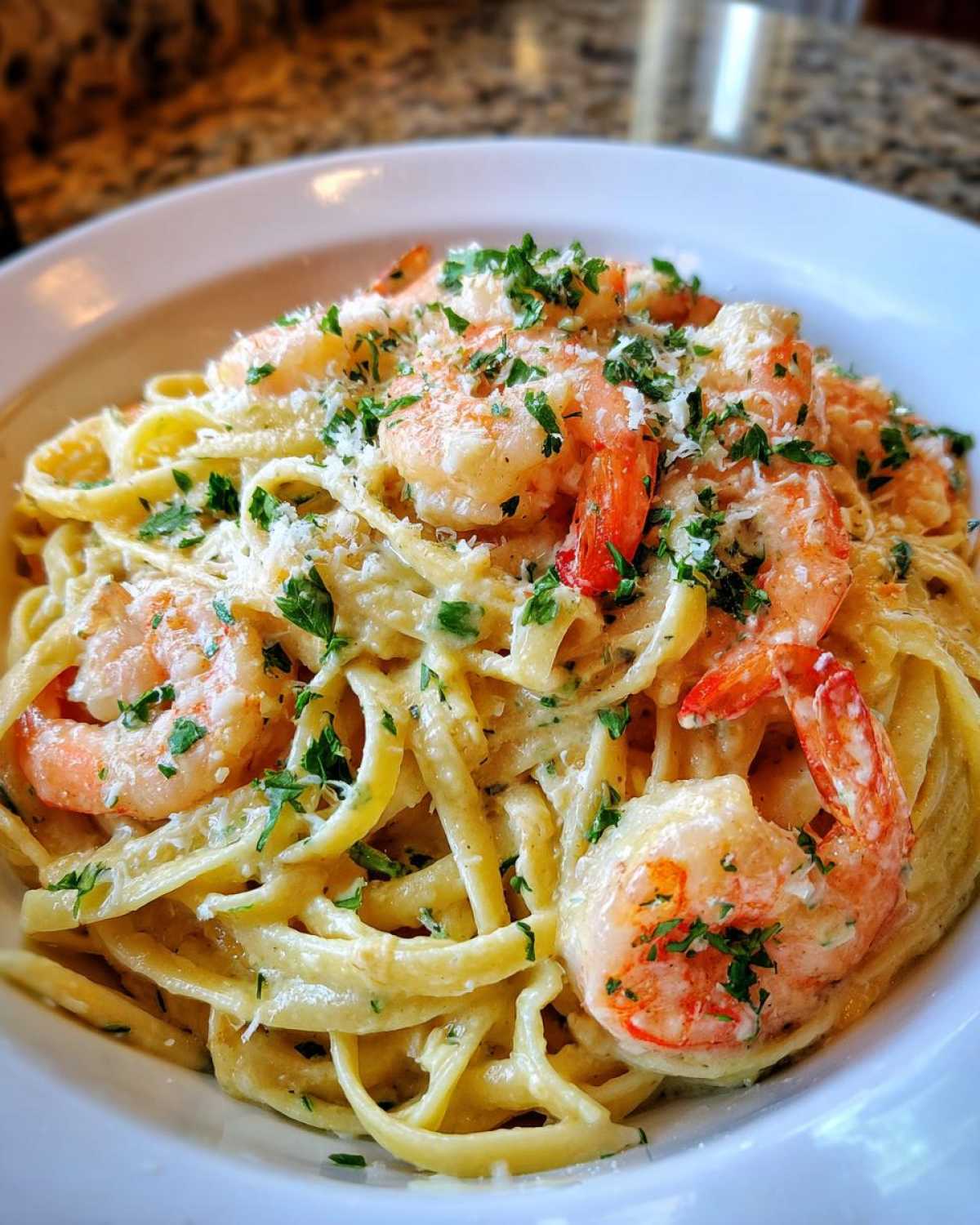
Expert Tips for Restaurant Style Shrimp Pasta
Want to know the real tricks chefs use to make their seafood pasta recipes sing? It all comes down to a couple of non-negotiable techniques. First, remember that starchy pasta water we saved? That’s the emulsifier! When you drizzle it into your sauce while tossing the pasta, the starch binds the fat (cream/butter) and the liquid (lemon/broth) into one cohesive, glossy sauce that actually clings to the noodles instead of puddling at the bottom of the bowl. It’s the key to achieving that perfect texture.
Second, let’s talk shrimp timing. Shrimp cooks incredibly fast, usually in under five minutes total. Always cook them mostly through first, remove them, and then add them back only at the very end. This protects them from turning into tiny pink rubber bands! Finally, maximize that fresh zing by adding the lemon juice early in the sauce-building phase, but always reserve the zest for the absolute last minute. The zest holds those volatile oils that give you that intense, fresh aroma. Stick to these steps, and you’ve got yourself a seriously gourmet quick shrimp dinner!
Ingredient Notes and Substitutions for Your Pasta
I know everyone’s pantry looks a little different, and sometimes you need to make a quick swap when you’re in the middle of cooking up this garlic parmesan shrimp pasta. That’s totally fine! But I want to be super clear on the few things that really make or break the ‘creamy’ versus ‘sad, separated sauce’ dilemma.
The heavy cream is non-negotiable if you want that signature richness, so try your best to stick with it for the first time you make this. However, if you’re in a pinch, you can absolutely use half-and-half instead. Just a heads-up: If you use half-and-half, the sauce won’t be quite as thick, so you might not need to use quite as much of that reserved pasta water. You’ll need to watch the simmering time closely to get the sauce to coat the noodles nicely.
For those of you avoiding alcohol, the white wine is in there mainly to deglaze the pan and add a little acidity before the cream goes in. If you skip it, just use your chicken broth, or even just use water, but make sure you let it reduce down for a solid minute or two before adding the cream. We need that volume to evaporate to concentrate the flavor base for our sauce.
And please, please, please don’t swap out the fresh lemon components! As I mentioned before, bottled juice is harsh. If you don’t have a whole lemon, grab a lime for the juice in a pinch—it’ll change the flavor profile, of course, but it keeps that necessary acidic tang. But seriously, a fresh lemon makes all the difference in achieving that signature bright and creamy pasta vibe!
Storing and Reheating Your Flavorful Shrimp Meals
If you are lucky enough to have any of this deliciousness left over—and I mean *lucky*, because my family usually cleans the pan—you need to know how to store it properly. Cream-based sauces, like the one we built for our flavorful shrimp meals, sometimes get a little stiff or can separate when they chill down. Don’t panic if it looks sad after a night in the fridge!
When you reheat your leftover Creamy Lemon Garlic Shrimp Pasta Fresh Taste, I highly recommend reheating it slowly on the stovetop over low heat. The trick to bringing it back to life is adding just a tiny splash of liquid—either milk, a little cream, or even just water—while you stir gently. This loosens everything up and brings back that beautiful, glossy sauce texture we worked so hard to achieve in the first place. Enjoy those leftovers!
Serving Suggestions for This Bright and Creamy Pasta
When you have a pasta this rich and vibrant, you don’t want heavy sides bogging it down. This bright and creamy pasta begs for something light to balance it out. My go-to is always a super simple arugula salad with a light vinaigrette—the peppery bite of arugula is fantastic against the rich cream. But honestly, you absolutely need something crusty for soaking up every last bit of that sauce!
Speaking of crusty, nothing beats a slice of freshly baked bread alongside this. If you’re feeling ambitious, whip up a loaf of my No-Knead Garlic Parmesan Bread. That toasted garlic flavor with that leftover lemon sauce? It’s seriously divine. Simple roasted asparagus spears dressed with just a squeeze of lemon are perfect too, keeping the whole meal feeling incredibly fresh!
Frequently Asked Questions About Creamy Lemon Garlic Shrimp Pasta
I always get questions when I post pictures of this dish because people think it has to be complicated to get that restaurant quality! Let me clear up a few things about making your own garlic parmesan shrimp pasta at home.
Can I swap the shrimp for chicken or sausage?
Absolutely! If you aren’t feeling shrimp, chicken breast cubes work wonderfully. Just make sure you cook the chicken fully before taking it out of the pan to rest—it takes longer than shrimp. For sausage, use Italian sausage, remove the casing, and brown it before deglazing. Remember, whatever protein you use, you’re still using my beautiful lemon garlic pasta sauce structure!
What’s the best pasta shape for this recipe?
I used linguine or fettuccine in the recipe because those long, flat noodles hold onto the rich sauce beautifully. However, almost any medium-to-long noodle works great for this best shrimp pasta. Penne or rotini are sturdy enough too, but you might need an extra splash of that reserved pasta water to ensure the creamy sauce coats every nook and cranny.
How do I stop the cream sauce from splitting or looking grainy?
This is the biggest fear with any creamy shrimp pasta recipe! The secret is heat control. When you add the Parmesan cheese, the heat has to be very low—barely a simmer. If the skillet is too hot when you add the cheese, it stresses the dairy and it separates. Also, never add the cheese before the deglazing liquid has cooked down a bit. Low and slow when adding cheese is a must for a smooth, fresh tasting pasta finish!
Is this recipe really best served right away?
For the absolute best experience? Yes! This gourmet pasta idea shines when the pasta is piping hot and the sauce is perfectly emulsified around the shrimp and lemon zest. Cream sauces tend to thicken up quickly as they cool. If you must wait, cover the pan off the heat—but hurry up, because that fresh parsley garnish is best when it hasn’t wilted!
Understanding the Nutrition of This Shrimp Pasta Recipe
Now, let’s talk a little bit about what’s going into your body when you devour this amazing Creamy Lemon Garlic Shrimp Pasta Fresh Taste! I always say enjoying a meal is the most important part, but it’s nice knowing the ballpark figures, especially with that heavy cream in there. Keep in mind that these numbers are just my best estimates based on the ingredients I used when I developed this recipe. I used standard measurements for the linguine and large shrimp, so yours might shift just a tiny bit!
This data is based on one serving (we divided it into 4 good-sized portions), so it gives you a general idea of the breakdown for this satisfying dinner:
- Serving Size: 1 serving
- Calories: 650
- Fat: 35g (Remember, some of this great richness comes from the healthy fats in the shrimp and dairy!)
- Saturated Fat: 18g
- Sodium: 550mg
- Carbohydrates: 55g
- Protein: 32g (That shrimp packs a punch!)
- Fiber: 3g
- Sugar: 4g (Mostly natural sugar from the lemon and cream!)
It’s a wonderful balance of protein and satisfying carbs, making it a fantastic seafood pasta recipe for a nice, filling dinner. Enjoy every bite!
PrintOne-Pan Creamy Lemon Garlic Shrimp Pasta with Fresh Parsley and Parmesan
Prepare a restaurant-quality creamy lemon garlic shrimp pasta quickly using just one pan. This recipe balances rich creaminess with bright lemon and sharp garlic for a fresh tasting meal.
- Prep Time: 10 min
- Cook Time: 20 min
- Total Time: 30 min
- Yield: 4 servings
- Category: Dinner
- Method: Stovetop
- Cuisine: American
- Diet: Vegetarian
Ingredients
- 1 pound linguine or fettuccine pasta
- 1 pound large shrimp, peeled and deveined
- 2 tablespoons olive oil
- 4 cloves garlic, minced
- 1/2 cup dry white wine or chicken broth
- 1 1/2 cups heavy cream
- 1/2 cup grated Parmesan cheese, plus more for serving
- 1/4 cup fresh lemon juice
- 1 tablespoon lemon zest
- 1/2 teaspoon salt
- 1/4 teaspoon black pepper
- 1/4 cup fresh parsley, chopped
Instructions
- Cook the pasta according to package directions until al dente. Reserve 1 cup of the pasta water before draining. Set the drained pasta aside.
- While the pasta cooks, season the shrimp lightly with salt and pepper.
- Heat the olive oil in a large skillet over medium heat. Add the minced garlic and cook for 30 seconds until fragrant; do not let it brown.
- Add the shrimp to the skillet and cook for 2 to 3 minutes per side until pink and cooked through. Remove the shrimp from the skillet and set aside.
- Pour the white wine or broth into the skillet and scrape up any browned bits from the bottom. Let it reduce slightly for 1 minute.
- Reduce the heat to low. Stir in the heavy cream, lemon juice, and lemon zest. Let the sauce simmer gently for 2 minutes until it thickens slightly.
- Whisk in the Parmesan cheese until the sauce is smooth. If the sauce is too thick, add a few tablespoons of the reserved pasta water until you reach your desired consistency.
- Return the cooked pasta and the cooked shrimp to the skillet. Toss everything together until the pasta and shrimp are fully coated in the creamy sauce.
- Stir in the fresh parsley. Taste and adjust salt and pepper if needed.
- Serve immediately, topped with extra grated Parmesan cheese.
Notes
- For extra richness, substitute half-and-half for the heavy cream, but you may need less pasta water.
- Use fresh lemon zest and juice; bottled juice changes the fresh flavor profile.
- If you do not use wine, increase the broth amount slightly.
Nutrition
- Serving Size: 1 serving
- Calories: 650
- Sugar: 4
- Sodium: 550
- Fat: 35
- Saturated Fat: 18
- Unsaturated Fat: 12
- Trans Fat: 0
- Carbohydrates: 55
- Fiber: 3
- Protein: 32
- Cholesterol: 210