

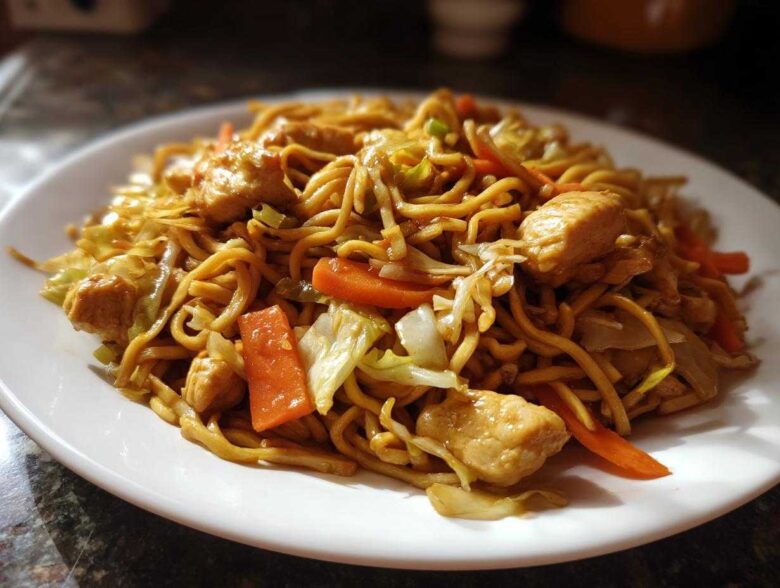
You know that feeling? It hits around 7 PM when you’re starving, but the thought of waiting an hour for delivery feels impossible. That’s usually when I start scrolling through everything neon-lit and takeout-adjacent online. But Kai? He just pulls out that trusty wok, and suddenly, we have the solution: our quick and easy chicken chow mein recipe.
This dish is the perfect example of what happens here at Feast Follower. I bring the newest, most exciting online inspiration—the desire for authentic, restaurant-quality flavor—and Kai layers in that real, instinctual wisdom from his family’s kitchen traditions. We didn’t just end up with a decent noodle dish; we nailed the best chow mein sauce that tastes exactly like your favorite spot, only you’re eating it in about 30 minutes flat. No more waiting around!
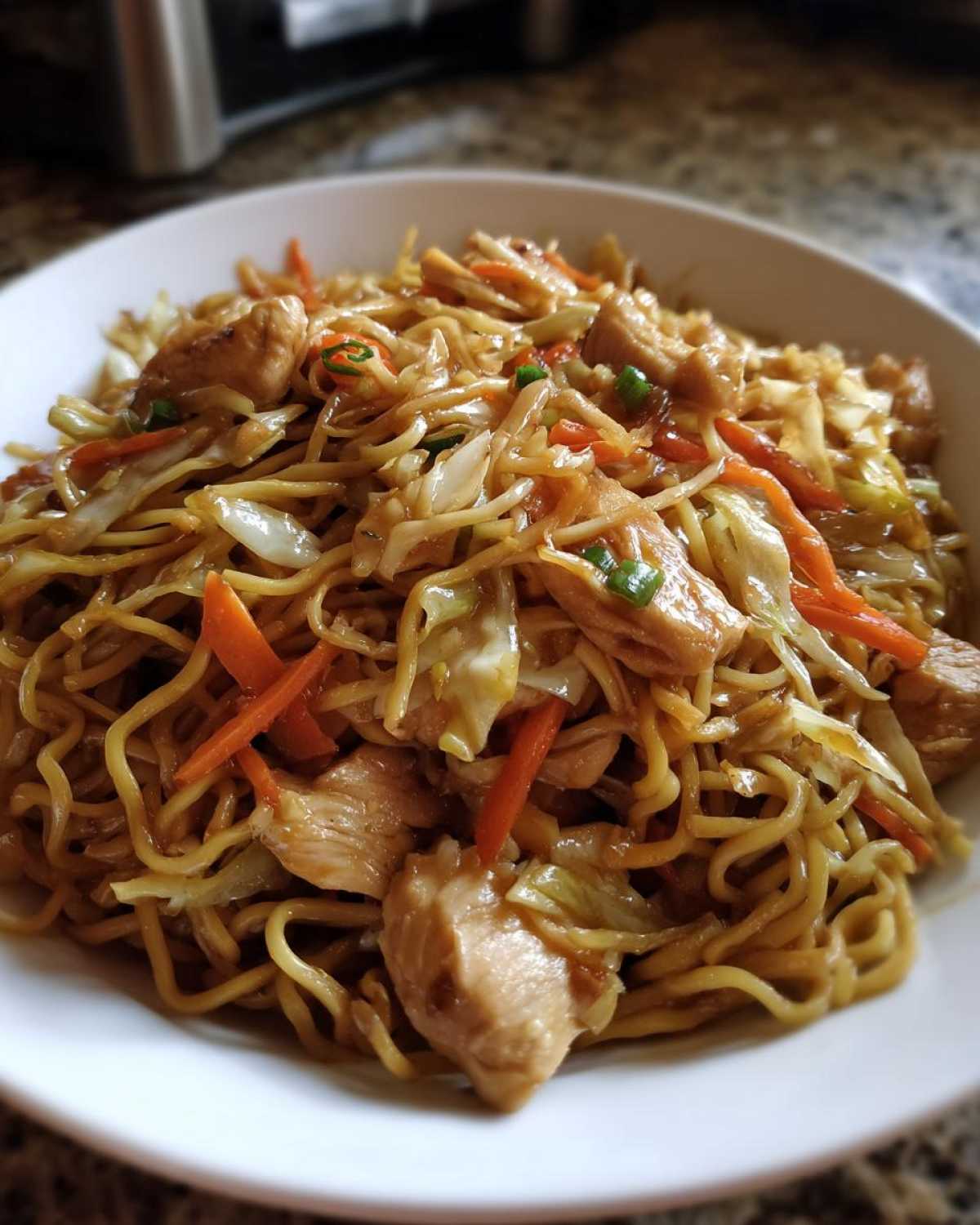
Why This Chicken Chow Mein Recipe is Your New Weeknight Favorite
Look, if a recipe takes longer than it takes to order the takeout, I’m just not interested on a Tuesday night. That’s why this recipe stays in rotation! Kai figured out how to get incredible flavor without the fuss, which is why this just breezes into the “easy chicken chow mein” category. It truly delivers that delicious, homey feeling you want in a weeknight chicken dinner.
We love it because it’s fast, but we *keep* making it because it tastes like we spent way more time over the stovetop than we actually did. It’s honestly magical.
Speed and Simplicity: The 30 Minute Chicken Chow Mein Recipe
Seriously, you’re looking at 15 minutes of prep and 15 minutes of actual cooking time. That’s it! Don’t let the ingredient list scare you; most of that is just whisking the sauce ingredients together while the chicken cooks. This is the definition of a quick chow mein recipe—no fancy knife cuts or overnight marinades required. You get big, satisfying flavor, fast.
Achieving That Takeout Style Chicken Chow Mein at Home
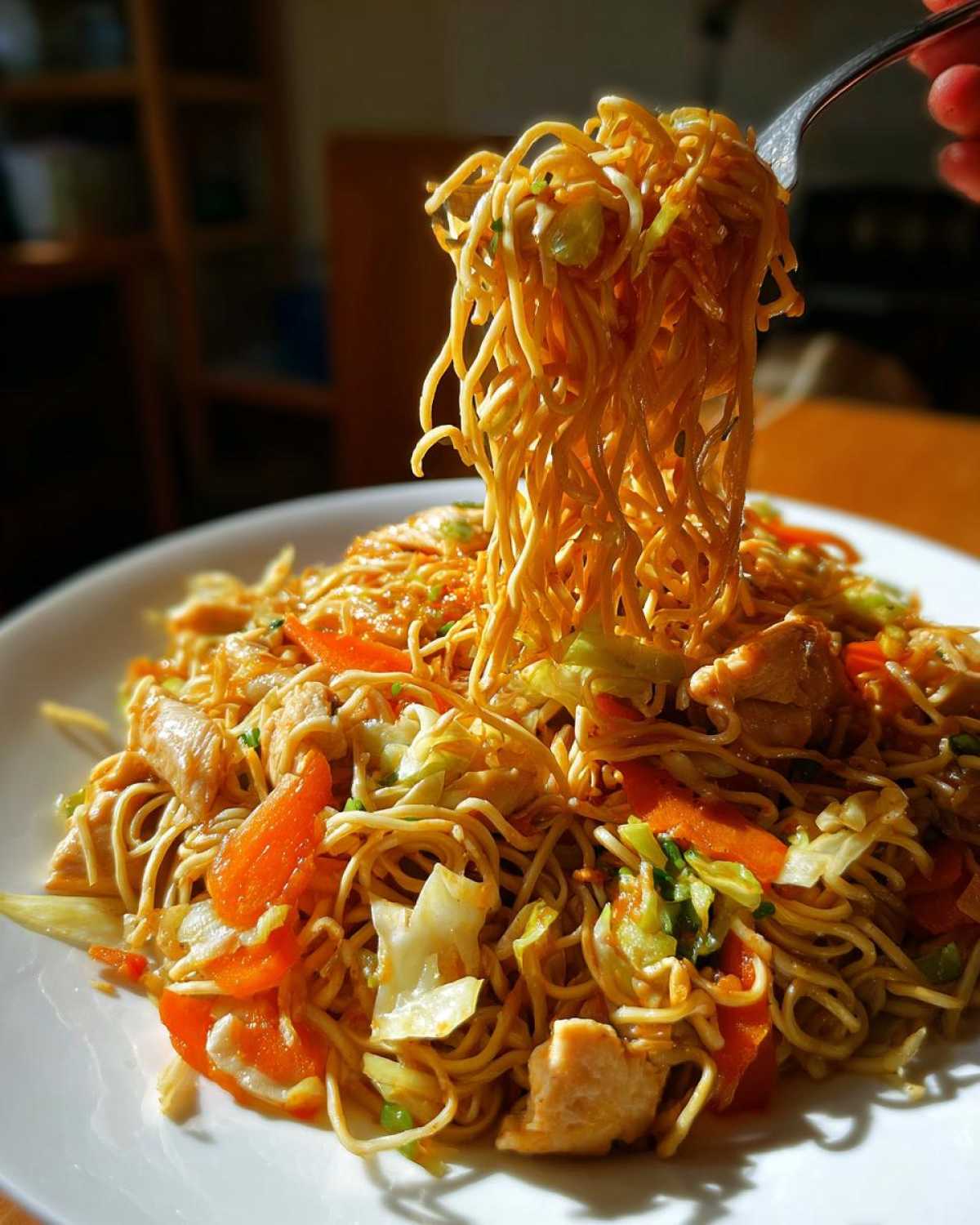
The trick to making it feel like you smuggled it out of your favorite Chinese restaurant? Two things: First, we perfectly coat the small chunks of chicken with cornstarch before stir-frying; that locks in the juices and keeps the meat unbelievably tender. Second? The way the noodles meet the crisp veggies and that savory sauce at the very end results in that classic, slightly sticky texture. It’s all about that build-up of flavor that makes this takeout style chicken chow mein shine.
If you want another super speedy dinner that nails that Asian flavor profile, you have to check out Kai’s honey garlic chicken stir-fry next!
Gathering Ingredients for Your Chicken Chow Mein Recipe
Okay, now for the fun part: making sure you have everything ready to go! Because this chicken chow mein recipe moves so fast once you hit the heat, prepping your ingredients—what we call *mise en place*—is non-negotiable. Kai insists on this, mostly because he can’t have me scrambling for the sesame oil while everything in the wok is about to burn! It’s that organizational step that turns chaos into a fantastic, homemade version of your favorite takeout.
We really focus on getting the vegetables fresh and bright for this dish. Those colorful carrots and fresh cabbage make all the difference in beating out that sad, soggy texture you sometimes get. And trust me, don’t skimp on the dark soy sauce; that’s the secret to that deep, rich color and getting the best chow mein sauce flavor profile.
If you need a satisfying, non-noodle dinner idea later, check out Kai’s garlic parmesan chicken and potatoes—it’s pure comfort!
Noodles and Protein for this Chicken and Vegetable Stir Fry
For the base, we always use 10 ounces of dried egg noodles. Cook them until they are totally *al dente*—they’ll absorb more liquid during the stir-fry, so you don’t want them mushy now. You’ll need about one pound total of boneless, skinless chicken breast, cut into nice, bite-sized pieces so they cook evenly. We toss that chicken right away with just 1 tablespoon of soy sauce and a tiny bit of cornstarch. That light coating is what gives you that lovely, tender chicken finish instead of just chewy bits.
Crafting the Savory Asian Noodles Recipe Sauce Components
The sauce is where the magic for this whole savory Asian noodles recipe happens. You’ve got to have everything measured out and whisked together before you start frying things, or you risk uneven seasoning. In one bowl, whisk together:
- 1/4 cup low sodium chicken broth (we stick to low sodium so we can control the saltiness!)
- 2 tablespoons oyster sauce (this adds that deep umami body!)
- 1 tablespoon dark soy sauce (for the color, remember?)
- 1 teaspoon sesame oil
- 1/2 teaspoon sugar to balance things out
Also, grab your remaining 1 tablespoon of soy sauce and keep it separate; that’s for seasoning the chicken early on. It sounds like a lot of ingredients for liquid magic, but trust me, whisking it all together means the sauce hits every noodle perfectly when you pour it in!
Step-by-Step Instructions for the Quick Chow Mein Recipe
This is where the 30 minutes flies by! Kai always says that with stir-fries, you need to be constantly moving and ready. Since we already have our sauce whisked and our veggies chopped, we can jump right into the action for this fantastic quick chow mein recipe. You’ve got this!
If you’re looking for another fast stir-fry that uses that high-heat wok technique, you absolutely must see our garlic noodles recipe next. It’s pure speed.
Preparing the Noodles and Marinating the Tender Chicken Chow Mein
First things first: get those egg noodles boiling! Follow the package directions, but remember my earlier warning—we want them tender but definitely still firm, maybe a minute less than the package suggests. Drain them really well and toss them with just a tiny splash of oil so they don’t stick together while you handle the main event.
While those noodles bubble away, it’s time for the chicken. Take your bite-sized chicken pieces and mix them gently with 1 tablespoon of soy sauce and that teaspoon of cornstarch. Just a quick toss right in the bowl. Let that sit for about five minutes while you start heating up your wok. That light coating is the key to getting that signature smooth, tender chicken chow mein texture we love.
Stir Frying Technique for Crisp Vegetables and Chicken
Heat up your wok or the biggest skillet you own over medium-high heat—we need that heat! Add 1 tablespoon of oil, let it glimmer, and toss in your chicken. Cook that until it’s nicely browned and totally cooked through—usually four to six minutes. Now, listen to this crucial step Kai taught me: scoop that cooked chicken right out of the pan and set it aside in a bowl. Why? Because if you leave it in while the veggies go in, the chicken steams and gets tough instead of getting those nice caramelized edges. We want great texture!
Next, add that last tablespoon of oil back to the hot pan. Throw in your cabbage, carrots, and celery. Stir fry these hard for about three minutes. You want them to start softening just a bit but still have a real crunch—we are aiming for those delicious crispy vegetable noodles here! After three minutes, toss in the mushrooms, minced garlic, and ginger. Cook for just one more minute until you can really smell that wonderful aroma. Then, pull everything out and set it with the chicken.
Combining Everything in the Ultimate Chicken Chow Mein Recipe
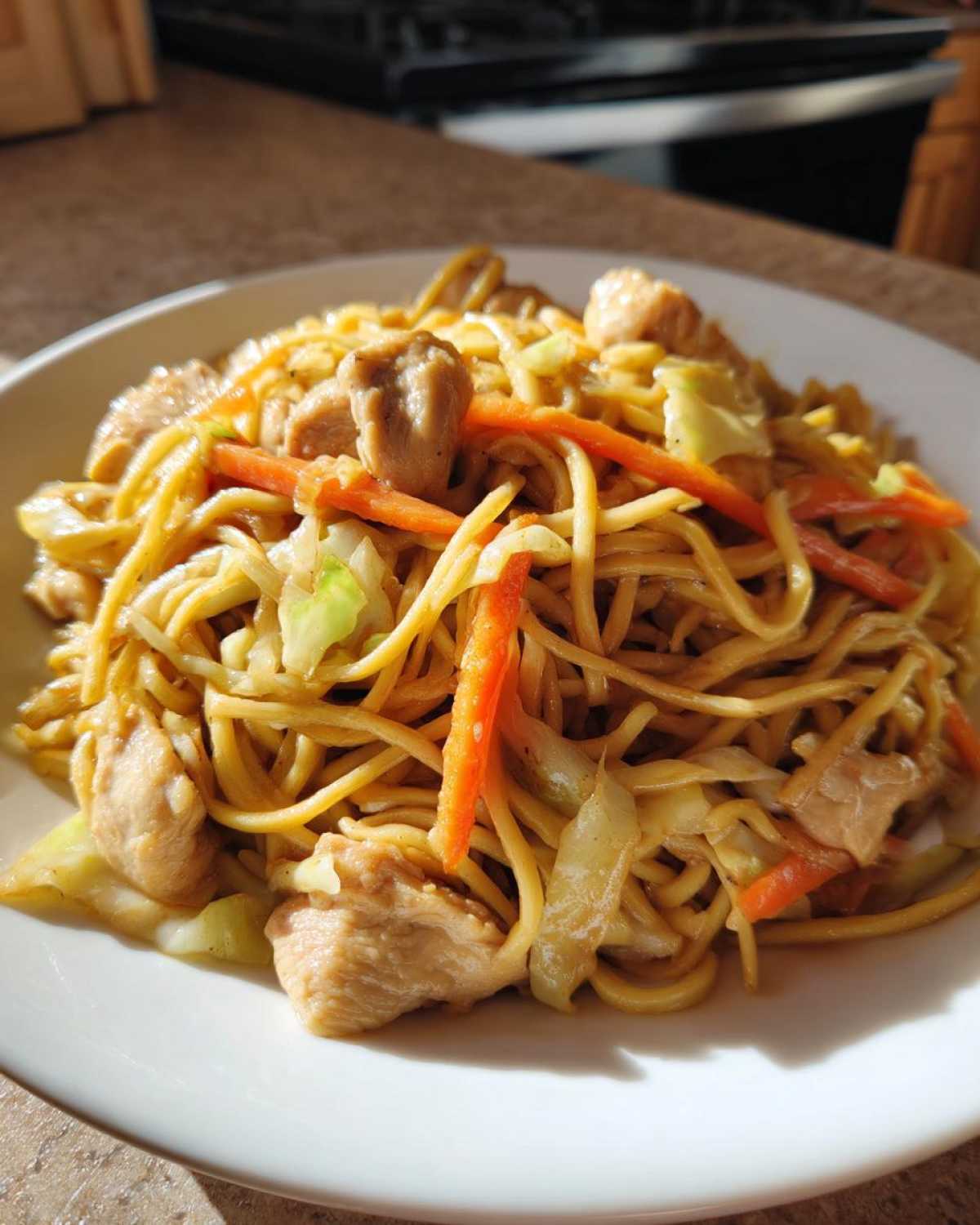
This is the grand finale! Before you return the chicken and veggies to the pan, grab that sauce mix you prepared—the broth, oyster sauce, dark soy, sesame oil, and sugar. Pour it all over the cooked chicken and veggies sitting in the pan (or back into the clean wok if you wiped it out). Now, add your well-drained noodles right on top of all that liquid.
You need to toss this constantly, constantly, constantly for just one to two minutes. The heat works magic, thickening that sauce until it coats every single strand of noodle and clings beautifully to the chicken. Once you see everything looking glossy and perfectly seasoned—that’s the sign you’ve nailed the chicken chow mein recipe! Take it off the heat immediately, garnish with your green onions, and serve it piping hot.
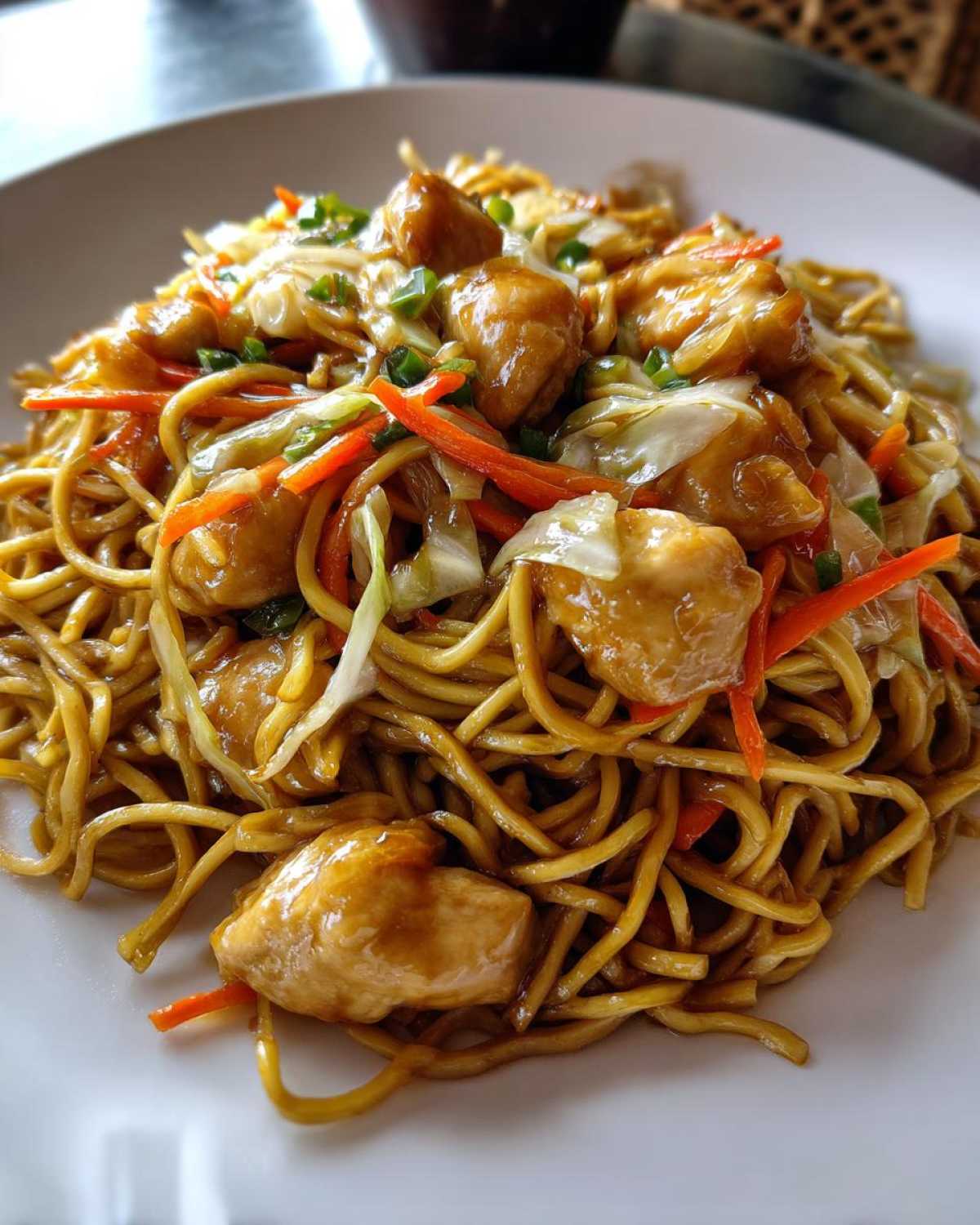
Tips for the Best Homemade Chicken Chow Mein
Even though this recipe is super fast, there are a couple of little insider tricks Kai insists on sharing. When you’re aiming for that “best ever” status, every little detail helps! These tips come straight from years of tinkering and getting that perfect texture combo, so definitely pay attention here if you want to impress anyone—or just yourself!
Ingredient Notes and Substitutions for this Chicken Chow Mein Recipe
So, about that wok size! If you’re working with a smaller burner or just don’t have an enormous pan, do not try to cram everything in at once. Kai always warns me: overcrowding the pan equals steaming, and we are stir-frying, not stewing! If your pan looks too full when you add the veggies, just take out half the chicken and veggies, stir-fry them, remove them, and then cook the second batch. It adds an extra minute or two, but you get way better color and sear on everything.
Also, I usually stick to chicken breast because I love how lean it is, but if you want something richer and perhaps even more flavorful, definitely try using boneless, skinless chicken thighs instead. They have a bit more fat and basically refuse to dry out during the intense heat of the stir-fry. It’s an easy swap for an even better-tasting chicken chow mein recipe.
Making This a Healthy Chow Mein Alternative
One of the best parts about skipping the delivery place is that you get total control over the sodium and the oil levels. This recipe is designed to be a fantastic healthy chow mein alternative on its own! But if you want to dial down the salt even more, make sure you use that low-sodium chicken broth mentioned in the sauce section, and then substitute regular soy sauce with low-sodium soy sauce wherever the recipe calls for it.
For the absolute lowest impact on the fat count, try this little move: when you do the final toss where you pour the sauce over everything, skip adding that extra tablespoon of oil entirely. The residual oil from cooking the chicken and the moisture from the sauce are usually enough to get things glossy. Kai usually skips this step when I’m testing a lighter version, and honestly, you hardly miss the oil when everything is coated in that amazing sauce!
If you’re looking for more of Kai’s practical wisdom on kitchen prep and technique, I wrote all about how we manage our shopping and planning over on the Feast Follower blog!
Serving Suggestions for Your Savory Asian Noodles Recipe
Now that you’ve finished whipping up this incredible stir fry chicken noodles dish in under 30 minutes, the very best part is digging in! But sometimes, you want an entire spread, right? This chow mein is super hearty all on its own—it’s got protein, veggies, and carbs all happily mingling—but Kai and I always like to have a little something fresh or crunchy on the side to make it a complete meal.
The obvious finisher, which is already in the recipe, is those sliced green onions scattered right on top. They add a necessary pop of color and a slight, welcome sharpness that cuts through the richness of the sauce. Seriously, don’t skip that garnish!
If you want a fantastic, crunchy side that keeps the Asian flavor theme going, you have to try our raw carrot salad recipe. It’s bright, tangy, and takes maybe five minutes to throw together, balancing out the heavier comfort of the noodles perfectly. It uses ginger and vinegar, so the flavors are totally complementary.
For something easier, you can never go wrong with a simple, fast appetizer while the noodles are still hot. Think quickly steamed edamame sprinkled with salt, or maybe some light miso soup if you’re feeling ambitious. It really elevates this from just a quick dinner into a proper homemade spread. Whatever you pair it with, enjoy every single bite of that savory Asian noodle goodness!
Storage and Reheating for Leftover Chicken Chow Mein Recipe
If you’re anything like me, you immediately think: “Can I save this for lunch tomorrow?” The great news is yes, absolutely! This homemade chicken chow mein reheats surprisingly well, but you have to treat those noodles kindly. They absorb so much moisture when they cool down, so we need to wake them up properly when reheating.
For storage, you need an airtight container—no flimsy zip-top bags here! You want to keep the air out, especially since there is so much sauce. Keep it in the fridge, and it should be perfectly fine and delicious for about three days. Don’t push it past that; we want maximum flavor, not fridge funk!
Microwaving for a Super Quick Reheat
When you are ready for that second serving of our easy stir-fry chicken noodles, the microwave is your fastest friend. But here’s the trick to avoid that dry, hard noodle situation: Add a tiny splash of water or chicken broth—I mean just a teaspoon or two—right over the noodles before you cover the container. Cover it tightly with a damp paper towel or a microwave-safe lid.
Heat it in 45-second bursts, stirring well in between each burst. That little bit of added moisture turns into steam, which gently coaxes the life back into those noodles and keeps them soft. It usually takes two or three rounds to get it perfectly hot throughout.
The Best Way to Reheat on the Stovetop
If you have five extra minutes, the stovetop is honestly the best way to resurrect your leftovers. This works especially well if you want to bring back that slightly caramelized texture. Use a tablespoon of oil or a splash of broth in your wok or large skillet over medium heat. Don’t put it too high, or the sauce will burn before the noodles warm up!
Toss the cold chow mein around until everything is heated through. If it seems too dry, add another teaspoon of broth or even a splash of soy sauce and stir until the noodles look glossy again. This gentle coaxing brings back that wonderful texture you loved when you first made the quick chow mein recipe!
Frequently Asked Questions About Making Chicken Chow Mein
I know you might have a few little questions bubbling up after reading through the steps—that’s totally normal! When we first started trying to nail this chicken chow mein recipe, we had so many questions about timing and sauces. Think of this section as our troubleshooting session right here in the kitchen together. If you still need more help, don’t hesitate to reach out on our contact page!
Can I use different vegetables in this quick chow mein recipe?
Oh, absolutely! This is one of the best things about making homemade chicken chow mein—you’re the boss of what goes in the pan. We use the carrots, celery, and cabbage because they cook down nicely while still keeping some structure, but feel completely free to mix it up. If you have some broccoli florets, toss those in with the carrots. Red bell peppers look stunning when stir-fried too, just make sure they are sliced relatively thin so they cook at the same speed as the other veggies. It’s a great opportunity to sneak in extra greens!
What if I don’t have oyster sauce for the best chow mein sauce?
That’s a great question, because sometimes you’re halfway through cooking and realize you’re missing that one crucial bottle! Oyster sauce adds such a deep, savory background note that’s hard to replicate, but we have options. If you happen to have vegetarian mushroom sauce on hand? Use that instead, cup for cup. If you don’t have a great substitute, you can try mixing a little more of the dark soy sauce with a tiny pinch of sugar and a little bit of the chicken broth, maybe a teaspoon of molasses if you have it. It won’t be identical, but you’ll still get that rich, dark coating that makes this takeout style chow mein so satisfying.
How do I prevent my noodles from becoming soggy in the homemade chicken chow mein?
This is my biggest pet peeve, Luna agrees! Soggy noodles ruin the whole experience. There are two non-negotiable rules here to keep your noodles perfect. Rule number one: You must cook the egg noodles to just *al dente*. They should still have some serious chewiness left to them when you drain them. Rule number two: Drain them like your life depends on it! Get every last drop of water out before you set them aside. When you finally add them to the pan at the very end, they only need that quick 60-120 second toss with the hot sauce to finish cooking and get coated. If you overcook them first, they have nowhere to go but mushy when the sauce hits them.
Estimated Nutrition for This Easy Chicken Chow Mein Recipe
Okay, even though this is my favorite weeknight meal because it’s so quick and tasty, I know you’re curious about what’s ticking up in the nutrition department. I always run the numbers on our main dishes because finding that sweet spot between delicious and balanced is important to us here at Feast Follower. Remember that Kai and I aren’t nutritionists, so these numbers are just our *best guess* based on the specific ingredients listed in the recipe above, using standard serving sizes and cuts.
These estimates are for one serving, and remember, if you go light on the oil or use less-sodium soy sauce, you can easily adjust these figures down! But for reference, here is what we are looking at nutritionally for this fantastic chicken and vegetable stir fry based on 4 servings:
- Serving Size: 1 serving
- Calories: 480
- Fat: 12g (Mostly unsaturated fats from the cooking oil!)
- Saturated Fat: 2g
- Protein: 30g (That chicken really packs a punch!)
- Carbohydrates: 65g
- Sodium: 650mg (This varies HEAVILY depending on your soy/oyster sauce choice!)
- Sugar: 7g
See? A super solid meal that checks all the boxes for flavor and keeps you feeling full without being overly heavy. It’s definitely the best way to get your fill of those savory Asian noodles recipe flavors!
Share Your Feast Follower Chicken Chow Mein Experience
Okay, now that you’ve conquered the wok and made what I wholeheartedly believe is the best take on a chicken chow mein recipe outside of a major city, we’ve reached the best part—the sharing! Kai and I cook all this food hoping it brings someone else a little joy, and honestly, seeing your results makes our day. We live for those little wins in the kitchen!
When you’re done eating every last noodle (and I know you will be!), please take a moment and come back here. We’d love it if you could drop a star rating right under the recipe card. It helps other followers know that this easy chicken chow mein recipe is truly a reliable staple.
And if you managed to snap a picture of your beautifully sauced noodles loaded with tender chicken and crispy veggies, tag us on socials! Use our hashtag—we love seeing our community making these dishes. It’s proof that following a good flavor idea together always pays off. If you ever run into a snag or have a question about technique, don’t forget you can always reach out directly to us through the contact page. Happy feasting, friend!
PrintQuick and Easy Chicken Chow Mein Recipe in 30 Minutes
Make this flavorful, takeout-style Chicken Chow Mein at home. This recipe delivers tender chicken, crisp vegetables, and savory noodles quickly, making it a perfect weeknight chicken dinner.
- Prep Time: 15 min
- Cook Time: 15 min
- Total Time: 30 min
- Yield: 4 servings
- Category: Dinner
- Method: Stir Fry
- Cuisine: Chinese
- Diet: Low Fat
Ingredients
- 10 ounces dried egg noodles
- 1 pound boneless, skinless chicken breast, cut into bite-sized pieces
- 2 tablespoons soy sauce, divided
- 1 teaspoon cornstarch
- 2 tablespoons vegetable oil, divided
- 1 cup shredded cabbage
- 1 cup sliced carrots
- 1 cup sliced celery
- 4 ounces fresh mushrooms, sliced
- 2 cloves garlic, minced
- 1 teaspoon grated fresh ginger
- 1/4 cup low sodium chicken broth
- 2 tablespoons oyster sauce
- 1 tablespoon dark soy sauce
- 1 teaspoon sesame oil
- 1/2 teaspoon sugar
- 2 green onions, sliced for garnish
Instructions
- Cook the egg noodles according to package directions until tender but still firm. Drain them well and set aside.
- In a small bowl, toss the cut chicken pieces with 1 tablespoon of the soy sauce and the cornstarch. Let this sit for 5 minutes.
- Heat 1 tablespoon of vegetable oil in a large skillet or wok over medium-high heat. Add the seasoned chicken and stir fry until it is cooked through and lightly browned, about 4 to 6 minutes. Remove the chicken from the skillet and set it aside.
- Add the remaining 1 tablespoon of oil to the skillet. Add the cabbage, carrots, and celery. Stir fry the vegetables for 3 minutes until they start to become tender-crisp.
- Add the mushrooms, garlic, and ginger to the skillet. Cook for 1 minute until fragrant.
- While the vegetables cook, whisk together the chicken broth, oyster sauce, dark soy sauce, sesame oil, sugar, and the remaining 1 tablespoon of soy sauce in a small bowl to create the savory Asian noodles recipe sauce.
- Return the cooked chicken to the skillet with the vegetables. Add the cooked and drained noodles to the skillet.
- Pour the prepared sauce over the noodles, chicken, and vegetables. Toss everything together constantly for 1 to 2 minutes until the sauce thickens slightly and evenly coats the noodles.
- Remove the skillet from the heat. Serve your homemade chicken chow mein immediately, garnished with sliced green onions.
Notes
- For the best results, cook the chicken and vegetables in batches if your skillet is small to ensure everything stir fries instead of steams.
- You can substitute chicken thighs for breast meat if you prefer a richer flavor.
- This recipe is a great healthy chow mein alternative when you skip the oil in the final toss and use less sodium soy sauce.
Nutrition
- Serving Size: 1 serving
- Calories: 480
- Sugar: 7
- Sodium: 650
- Fat: 12
- Saturated Fat: 2
- Unsaturated Fat: 10
- Trans Fat: 0
- Carbohydrates: 65
- Fiber: 4
- Protein: 30
- Cholesterol: 85