

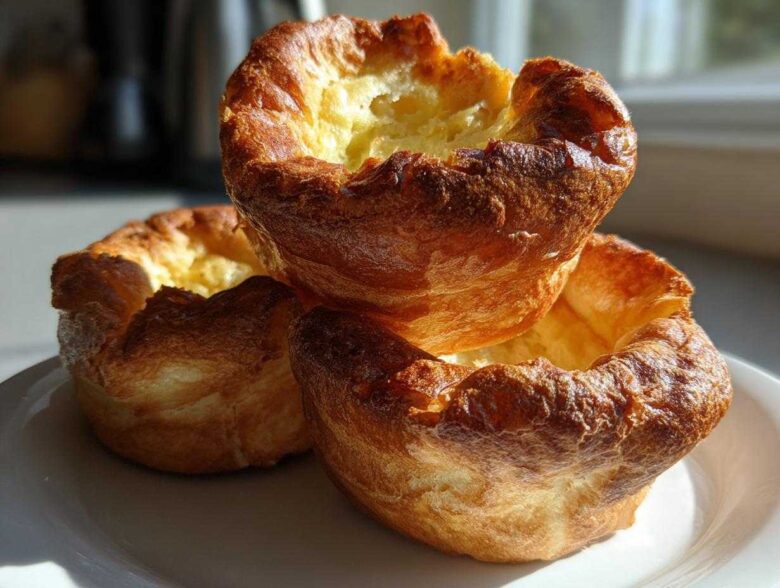
Oh, the dreaded flat Yorkshire pudding! It’s the nemesis of every Sunday roast, right? You’ve got the beef roasting, the roast potatoes are halfway there, and then you pull out those sad, pale, pancake-like things that refuse to puff. Well, I’m here to tell you to stop stressing! This isn’t just some random recipe I found online; Kai insists this method, pounded into him by his family for generations, is the only way to make a proper, towering, crispy-edged yorkshire pudding. Combining his instinct with my obsessive need to research every step means we’ve perfected what I call the most foolproof recipe ever. Trust me, these are reliably crispy outside and beautifully airy inside. Welcome to our happy kitchen medium! You can read more about how our two worlds—his instinct and my research—came together on our About Us page.
Why This is the Best Yorkshire Pudding Recipe for Your Sunday Roast
Listen, when you spend hours getting that roast beef just right, you don’t want a pathetic side dish letting the team down. This method is what Kai uses for his family gatherings, and it’s genuinely dependable. We avoid all the usual pitfalls simply by respecting two golden rules, and that’s why these are the best Yorkshire puddings you’ll ever try. They are incredibly cost-effective too, made from stuff you usually have in the pantry!
- The batter must be cold when it hits the fat.
- The fat must be absolutely smoking hot.
If you follow those two steps, you’ve basically guaranteed success for these roast dinner accompaniments. Check out some of our other classic English recipes while you’re here, or see how we handle beef preparation for the perfect Sunday roast!
Achieving Fluffy Yorkshire Puddings Every Time
The secret to that unbelievable puff comes down to physics—it’s all about steam! When that cold batter hits that intensely hot fat, it creates a massive, rapid burst of steam. That steam needs somewhere to go, and it forces the pudding upwards, creating those huge, airy pockets inside—that’s what makes them truly fluffy Yorkshire puddings.
But you can’t rush the prep! We always let the batter rest in the fridge for at least half an hour, sometimes longer. Don’t skip this! Resting the thin batter allows the starch molecules to relax, making the final product much more tender and giving the steam better structural support when it tries to inflate.
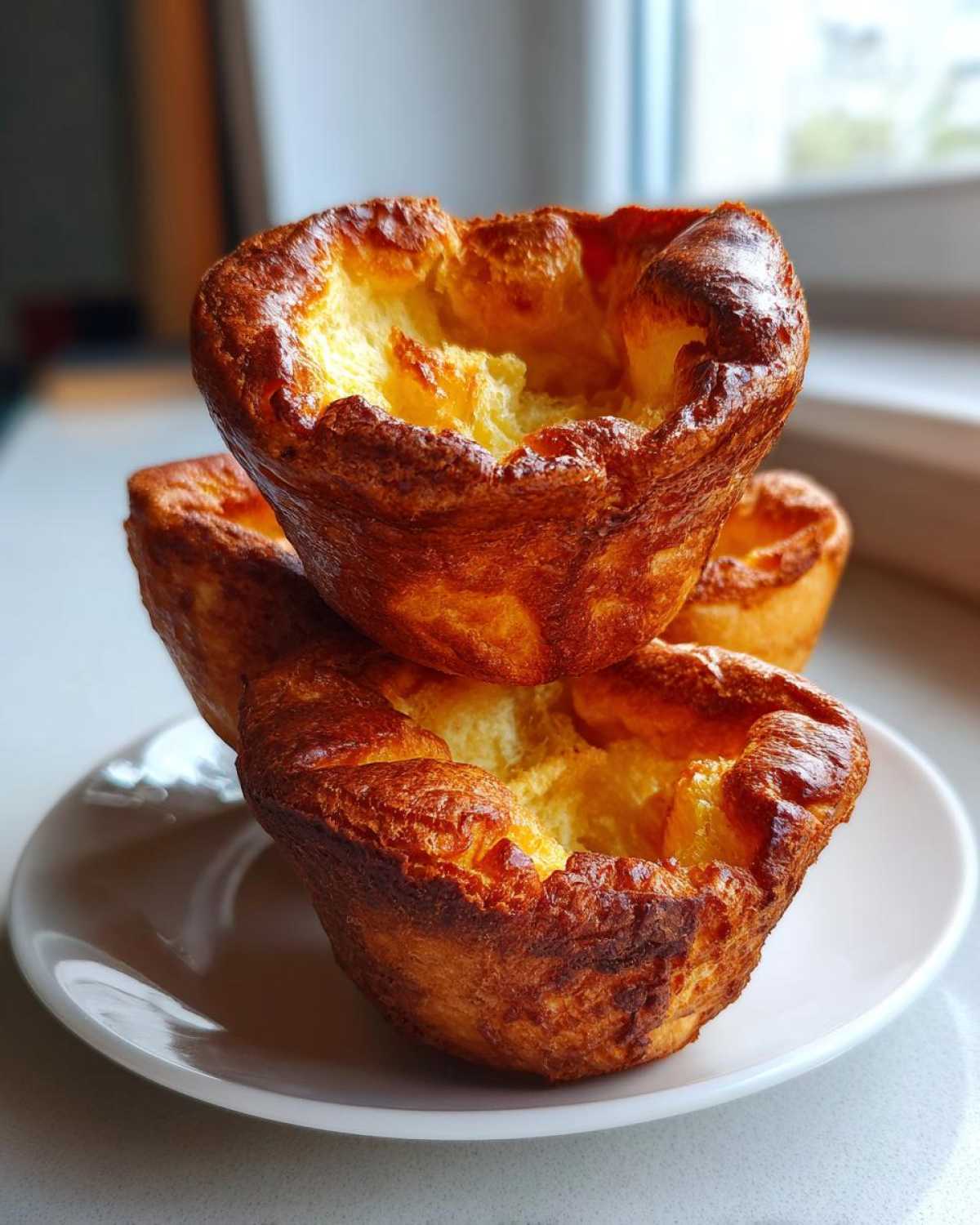
Ingredients for Your Foolproof Yorkshire Puddings
You won’t need anything fancy or expensive for these, which is why Kai loves them so much! It’s a classic, humble lineup of pantry staples that somehow turns into golden magic. Honestly, this recipe proves you don’t need to splash out for the **best Yorkshire pudding**.
- 4 large eggs – Kai says they have to be standard size; no jumbo ones!
- 1 cup all-purpose flour
- 1 cup milk (we really recommend using whole milk for richness)
- 1/2 teaspoon salt
- Vegetable oil or, if you’re feeling traditional for your Sunday roast, beef dripping for the tin.
That’s it! Four main things plus the fat. Pretty straightforward, right?
How to Make Yorkshire Puddings: Step-by-Step Instructions
Okay, buckle up! This is where my research notes really come into play because timing is everything here. You don’t need a complicated recipe; you need a solid method. We’re going for golden, tall, and airy—the works! Get your oven screaming hot, because these puddings need serious heat to puff up properly. Don’t forget to check out our surprisingly easy Beer Cheese Dip recipe if you need a great appetizer!
Creating the Easy Yorkshire Pudding Batter
First things first, we mix gently. Put your flour and salt in a bowl. Make a little valley in the middle—a well, Kai calls it—and crack those four eggs right in there. Now, start whisking those eggs, slowly sweeping in a little bit of the flour from the edges as you go. Once it looks sort of like thick paint, start pouring the milk in bit by bit while you keep whisking. We’re aiming for something thin, like really light cream. If you see a tiny lump or two, honestly, don’t sweat it! Overmixing is the enemy here. Once it’s all combined, cover it up and stick it in the fridge. Seriously, let that yorkshire pudding batter chill out for at least 30 minutes. It really helps them rise later.
The Critical Hot Fat Technique for Crispy Yorkshire Puddings
This is the moment of truth! Preheat your oven way up high to 450°F (230°C). Get your muffin tin in there while it heats up. You need to add the oil or dripping—about a teaspoon per cup—and let that tin get wicked hot. We mean *smoking* hot before you pour the batter in. When the fat is shimmering and just starting to smoke, that’s when you rush the cold batter from the fridge straight into the hot cups, filling them only about a third of the way full. Then, slam that oven door shut! I mean it: do not open that door for the first 15 minutes. You risk them collapsing, and nobody wants a pancake pudding! They need that uninterrupted blast of heat to become those gorgeous, crispy Yorkshire puddings.
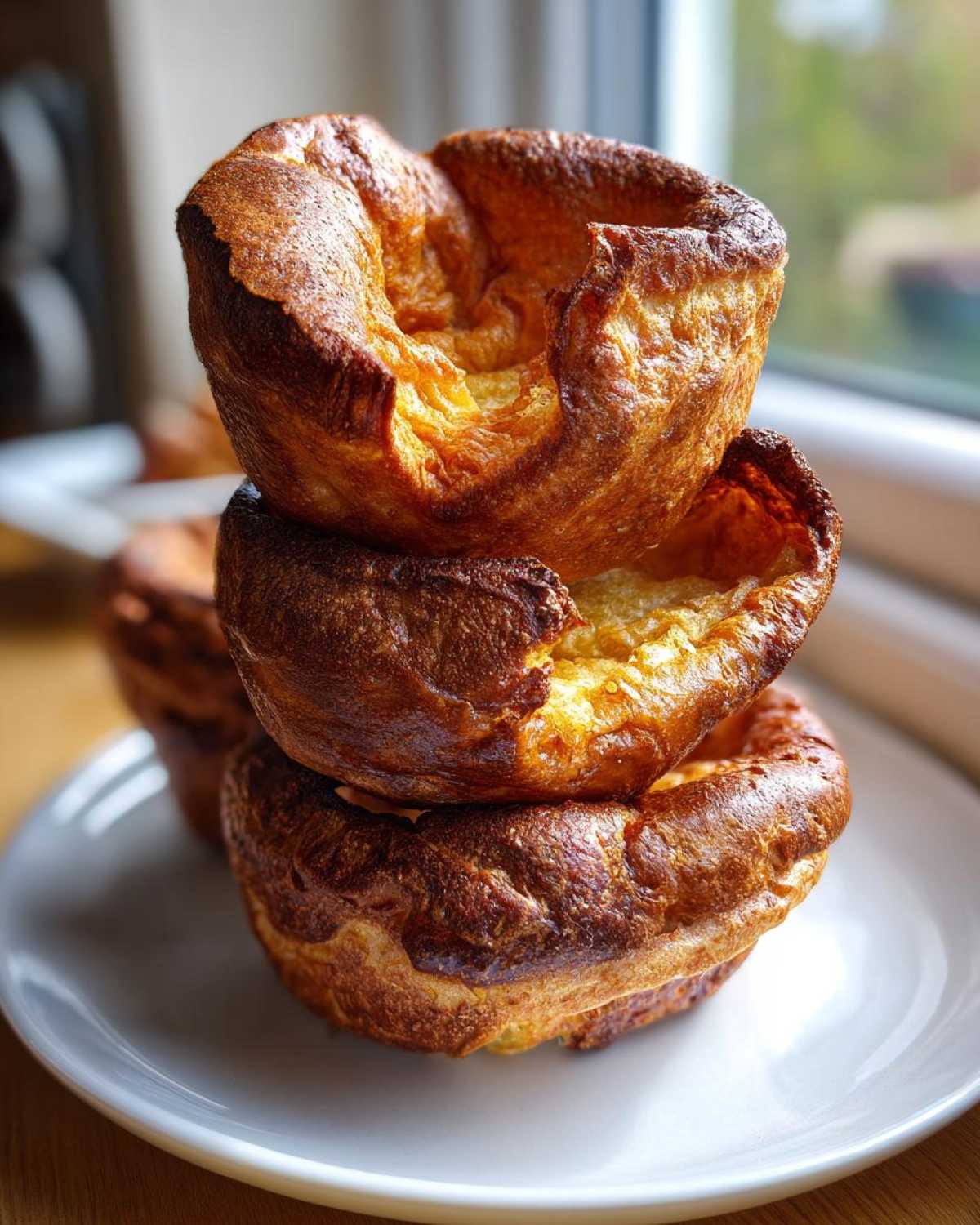
Yorkshire Pudding Tips and Tricks from Kai
Okay, now that you know the basic method, let’s talk about the stuff Kai calls the little ‘instincts’ that turn a good pudding into a legendary one. We’ve gathered all his best Yorkshire Pudding Tips and Tricks right here so you don’t have to guess! If you follow the steps above, you’ll be leagues ahead of most people, but these things seal the deal.
The biggest takeaway Kai drills into me is the hot/cold dynamic. If the batter isn’t ice cold from the fridge and the fat isn’t screaming hot—like, borderline smoking—you will get flatness. It’s just the science, friends! You wanna bake them until they are completely done, too; don’t stop baking just because they look big!
Troubleshooting Common Yorkshire Pudding Issues
When do puddings fail? Usually, they either refuse to rise or they rise beautifully and then immediately plummet when you look at them. If you have flat puddings, check your oven temperature first! Those big puffs are delicate, and if the heat dips even slightly, they slump.
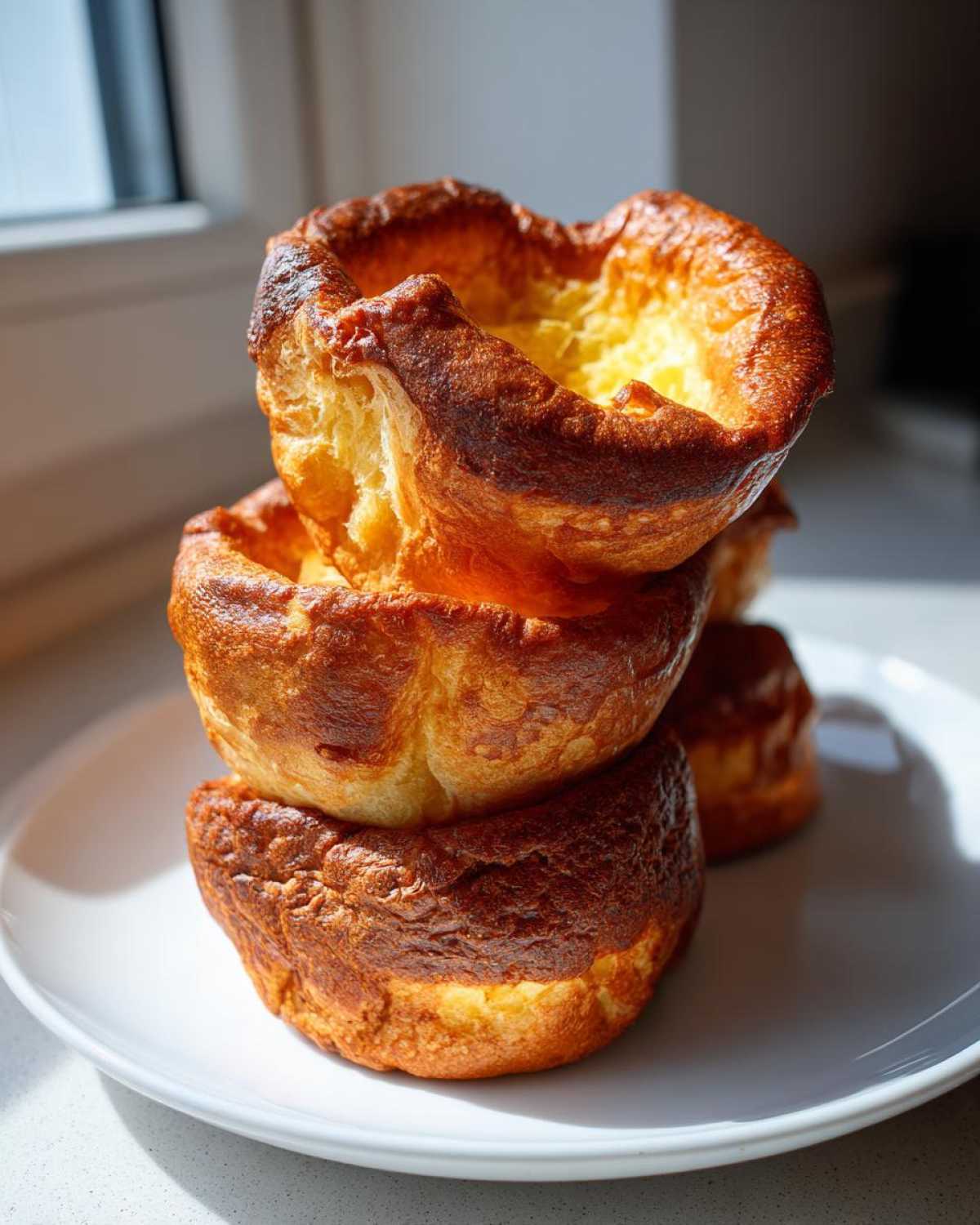
Kai always recommends using beef dripping if you can; he insists that flavor makes a difference in the final product alongside the texture. Also, remember that if you decide to bake for longer to ensure you get those deep golden brown puddings, that’s fine—just make sure you keep that oven door shut tight until the very end. If you’re curious to see what else Kai is cooking up on the blog, check out the main Feast Follower Blog!
Variations on the Traditional British Side Dish
So, you’ve mastered the magnificent pop of the individual Yorkshire pudding—that’s fantastic! But maybe you’re short on time, or maybe you’re making dinner for a massive crowd. We totally get it. You don’t always need twelve tiny, perfect ones; sometimes, you just need one giant, glorious, gravy-hogging vessel.
We often scale this recipe up to make one massive pudding in a roasting tin. If you do this, be aware that the baking time usually increases because the heat takes longer to get into the absolute dead center. You might need closer to 35 or 40 minutes for a giant one instead of the standard 25. Keep an eye on the edges, though—they’ll tell you when they’re crispy!
While the core recipe is traditional, sometimes you need flexibility. For example, we’ve had friends ask about making these gluten-free. I’ll tell you right now, swapping the flour isn’t as simple as just swapping sugar; you do need a specific GF blend to handle the structure, but it’s definitely doable if you research the right mix! For now, stick to the classic flour, but know that making Individual Yorkshire Puddings or one big showstopper are both perfectly acceptable ways to enjoy them.
If you want another great side to go alongside your roast, check out how we make creamy braised leeks—it’s unbelievable with beef!
Serving Suggestions for Your Golden Brown Puddings
What good are these massive, magnificent, golden brown puddings if they aren’t served right? Honestly, they are made for a proper, hearty Sunday Roast! Kai swears by serving them piping hot straight from the oven, nestled right up against a proper joint of roast beef. Seriously, don’t even think about serving them cold; they lose all their crispness!
You absolutely must have thick, rich gravy ready to go. The whole point of that airy center is to sponge up every last drop of the meat juices and gravy, right? If you need an incredible vegetable side dish to go with it all, you have to try my honey and garlic roasted carrots. They complete the plate perfectly!
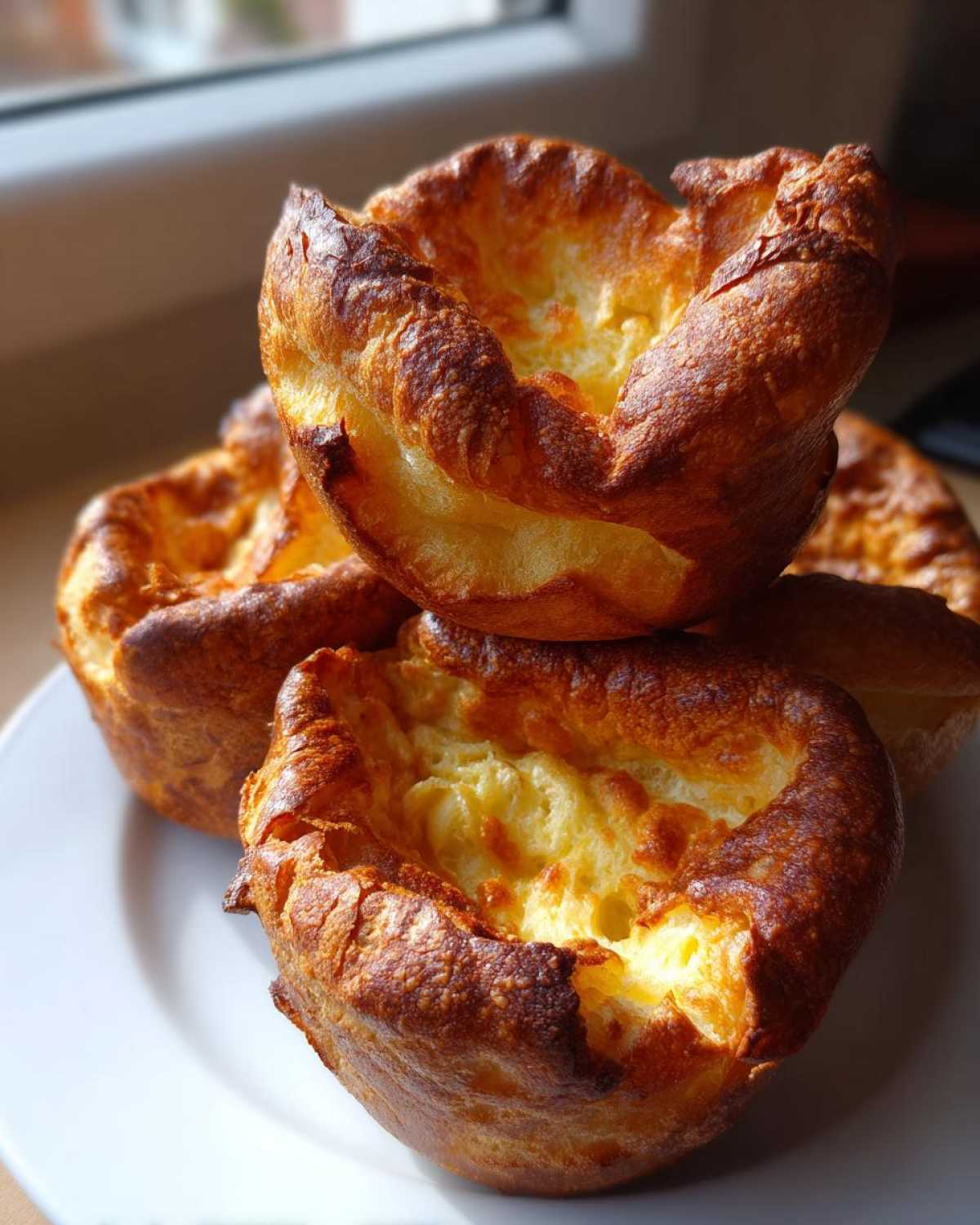
It’s all about that comforting, traditional British side dish feeling. Keep it classic!
Storage and Reheating Instructions for Yorkshire Pudding
Look, sometimes the glory of roast dinner is just too much, and you end up with leftovers. Don’t panic! Day-old Yorkshire puddings can still be rescued, but you have to treat them kindly. Microwaving them is an absolute last resort, honestly. That steam trapped inside turns them instantly soggy and chewy, and we worked so hard for that beautiful crispiness!
If you’re saving them, let them cool completely on a rack first. Never put hot, steamy puddings straight into an airtight container; that condensation will ruin your efforts overnight. Once they’re totally cool, pop them into a zip-top bag or a container, but leave it slightly ajar, or just lay a piece of parchment paper over the top, and they’ll happily sit in the fridge for a day or two.
The Reheating Resurrection Trick
When you’re ready for round two—maybe for Monday lunch with extra gravy?—the oven is your best friend. Preheat your oven quite high, maybe around 375°F (190°C). Lay your leftover yorkshire pudding directly onto the oven rack. If you use a baking sheet, put it on a lower rack so the heat can circulate underneath them.
We bake them for about 5 to 8 minutes. You aren’t cooking them again; you’re just coaxing that lost crispness back to the surface. Keep an eye on them though, because those thin edges can crisp up fast! Pull them out when they are hot all the way through and are satisfyingly crunchy again. That’s how you guarantee your next batch of fluffy Yorkshire puddings starts next time with a lesson learned from the last!
Quick Answers: Frequently Asked Questions About Yorkshire Pudding
I know you might still have questions swirling around, especially if you’ve had flat ones before! That’s totally normal. Cooking is about tinkering, but for this recipe, we’ve nailed down the basic science so you don’t have to guess. Here are the most common things people ask me about how to make Yorkshire puddings work perfectly every single time!
Do I need to rest the batter for Yorkshire puddings?
Yes, you absolutely do need to rest the batter! I know, I know, when you’re hungry for that roast dinner, waiting feels like torture. But think of it this way: the flour needs a good long soak in the liquid to fully hydrate. If you don’t rest it, the gluten tightens up too much, and when it hits that super-hot fat, it doesn’t have the elasticity to expand upwards quickly enough. That rest is foundational to getting those truly fluffy Yorkshire puddings.
Can I use a recipe like Gordon Ramsay Yorkshire Pudding?
It seems like everyone wants to try a recipe from a pro chef like Gordon Ramsay, and that’s fair! Many famous versions exist, and a lot of them focus heavily on the fat or the ratios. But honestly, what Kai’s family uses here hits all the same notes—smoking hot fat, cold batter—without the mystery. We trust the tried-and-true method that generations have refined. Our goal is foolproof success for home cooks, not championship baking! If you have other questions after trying this, feel free to reach out through our Contact Page!
Can I use oil instead of beef dripping?
You definitely can! While Kai will swear that beef dripping gives the most authentic, nutty flavor, vegetable oil or even sunflower oil works perfectly fine for the puff. The important thing isn’t what fat you use, but how hot it is. You need any fat with a high smoke point, heated until it’s almost smoking, to give those wonderful crispy bottoms.
Why did my Yorkshire pudding not rise?
Nine times out of ten, it’s one of two things! Either your oven temperature wasn’t high enough when you put the batter in, or you peeked during the first 15 minutes of baking! If you open the door, that blast of cold air drops the temperature instantly, and the fragile steam structure holding your pudding up collapses. Be patient, leave them alone, and they should look fantastic!
Estimated Nutritional Data for This Yorkshire Pudding Recipe
Now, I know we’re not usually weighing every single thing in the kitchen—Kai certainly doesn’t!—but for those of you who like to keep track, I’ve pulled together the estimated nutrition based on the standard recipe ratios. Remember, because the final result depends so much on how much fat your pudding actually soaks up, these numbers are just a guideline, okay? You can always find more detailed information on our Disclaimer Page if you need specifics.
These figures are based on one individual pudding from a 12-cup batch:
- Serving Size: 1 pudding
- Calories: around 120
- Fat: 6g (with about 2g being saturated)
- Carbohydrates: 13g
- Protein: 5g
See? Super simple ingredients mean great volume for not too many calories. It really shows how versatile this traditional side dish is. Honestly, you’re better off saving those calories for an extra big spoonful of gravy anyway!
PrintThe Perfect Foolproof Yorkshire Pudding: Crispy Outside, Fluffy Inside

Learn how to make traditional British Yorkshire puddings that are perfectly golden, crispy on the outside, and wonderfully airy inside. This easy recipe works every time for your Sunday roast.
- Prep Time: 10 min
- Cook Time: 25 min
- Total Time: 35 min
- Yield: 12 individual puddings
- Category: Side Dish
- Method: Baking
- Cuisine: British
- Diet: Vegetarian
Ingredients
- 4 large eggs
- 1 cup all-purpose flour
- 1 cup milk (whole milk works best)
- 1/2 teaspoon salt
- Vegetable oil or beef dripping, for the tin
Instructions
- Combine the flour and salt in a large bowl. Make a well in the center.
- Crack the eggs into the well. Begin whisking the eggs, gradually incorporating the flour from the sides.
- Slowly pour in the milk while continuously whisking until you have a smooth, thin batter, similar in consistency to thin cream. Do not overmix; a few small lumps are acceptable.
- Cover the bowl and let the batter rest in the refrigerator for at least 30 minutes, or up to several hours. Resting is key for a good rise.
- Preheat your oven to 450°F (230°C). Place a 12-hole muffin tin (or a large roasting tin for one large pudding) into the oven.
- Add about 1 teaspoon of vegetable oil or beef dripping to each muffin cup. Heat the tin in the oven for 10 minutes until the fat is smoking hot. This step is crucial for crispiness.
- Carefully remove the hot tin from the oven. Work quickly: pour the batter evenly into the hot fat, filling each cup about one-third full.
- Immediately return the tin to the hot oven. Do not open the oven door for the first 15 minutes of baking.
- Bake for 20 to 25 minutes, or until the puddings are well-risen, deep golden brown, and crisp.
- Serve immediately with your roast dinner and gravy.
Notes
- For the best rise, the batter must be cold and the fat must be smoking hot when you pour the batter in.
- If you are making one large Yorkshire pudding, use a deep roasting pan and increase the baking time slightly.
- Use beef dripping if you want the most traditional flavor for your Sunday roast accompaniment.
- If you want individual Yorkshire puddings, ensure the fat completely covers the bottom of each cup.
Nutrition
- Serving Size: 1 pudding
- Calories: 120
- Sugar: 1
- Sodium: 150
- Fat: 6
- Saturated Fat: 2
- Unsaturated Fat: 4
- Trans Fat: 0
- Carbohydrates: 13
- Fiber: 0
- Protein: 5
- Cholesterol: 60