

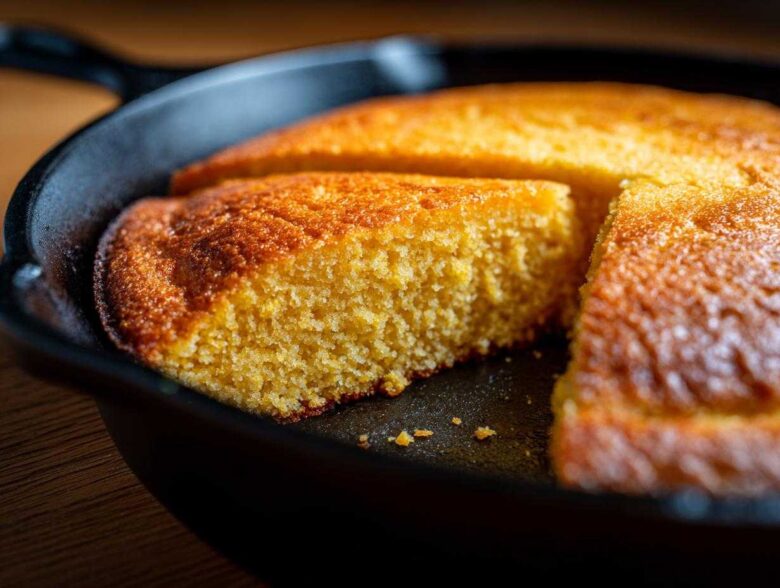
Let’s be honest, bland, crumbly cornbread is a tragedy, right? I’m not here for that. I chase the holy grail: cornbread that’s deeply golden, unbelievably moist inside, and has that shatteringly crisp, almost fried crust you only get from one tool. That tool, my friends, is the cast iron skillet. This Cast Iron Skillet Cornbread recipe is the only way I’ll ever make it now. The secret isn’t complicated, I promise, but it requires you to trust the process of getting that skillet screaming hot before you even think about adding the batter. When you hear that sizzle, you know you’ve mastered the Best Skillet Cornbread. It’s just the best way to bake, hands down!
Why This Cast Iron Skillet Cornbread Recipe Works
You can dump the ingredients for any cornbread recipe into a normal glass pan, and it’ll be fine. But it won’t be *magic*. The reason this particular Cast Iron Cornbread Recipe is so foolproof is all down to thermodynamics—don’t worry, it’s the fun kind! We’re using the incredible heat retention of cast iron to essentially ‘fry’ the bottom layer of the batter immediately. This Hot Skillet Cornbread Method ensures texture perfection right out of the gate. I learned early on that you need to let the pan do the heavy lifting!
Achieving the Signature Crispy Crust Cornbread
This is non-negotiable, folks. You absolutely must preheat your skillet with the butter inside while the oven heats up to 425°F. When that batter hits that molten, shimmering fat, it immediately sets up into the most glorious, crunchy shell. We are aiming for Crispy Crust Cornbread that audibly snaps when you cut into it. It’s the defining feature!
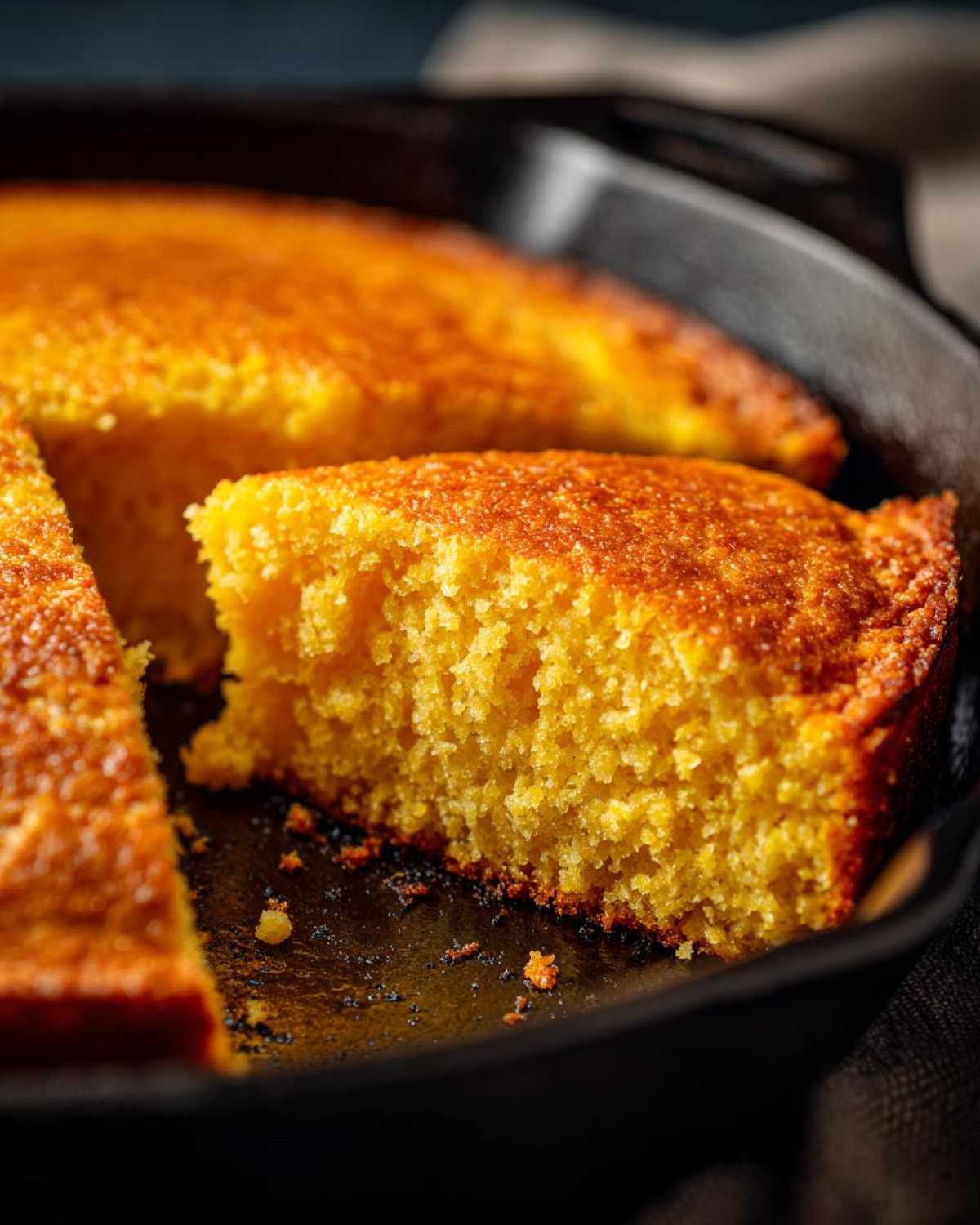
Moisture Balance in Our Cast Iron Skillet Cornbread
We use buttermilk, which is slightly acidic, to activate our baking soda perfectly, giving it a lovely lift without being too cakey. Plus, because the exterior crust forms so quickly during the initial bake in the hot pan, the inside stays incredibly moist and tender. That contrast is what makes our Cast Iron Skillet Cornbread taste like it came straight from a Southern kitchen.
See another favorite baking tip here!
Gathering Ingredients for Your Cast Iron Skillet Cornbread
Okay, now for the fun part: assembling our supplies! When it comes to a truly great Cast Iron Skillet Cornbread, every single ingredient matters. Since we are baking this so quickly, we need everything measured and ready to go before that skillet comes out of the oven. We’re using simple pantry staples, but the quality really does shine through here. You’ll need your yellow cornmeal for that authentic color and texture. Don’t forget the leaveners too; they work overtime with the buttermilk!
Ingredient Clarity and Preparation Notes
Buttermilk is a must for that classic Southern Style Cornbread tang—it reacts beautifully with the baking soda. Make sure that stick of butter is half melted and half reserved for the skillet; that’s important! The sugar amount is totally up to you; I stick to the recipe amount because I like a hint of sweetness, but if you prefer savory, skip it entirely. Have those eggs cracked and whisked separately; we don’t want any surprises when the hot pan is waiting!
Step-by-Step Instructions for Perfect Cast Iron Skillet Cornbread
This is where the magic happens, and timing is everything! Make sure all your ingredients are measured out *before* you start the oven, because once the skillet is hot, you have to move fast. This whole process is deceptively simple, which is why this is my go-to method for Easy Cast Iron Baking. If you follow these steps, you are guaranteed that beautiful crust we talked about. Pay close attention to the preheating step—that’s the entire difference between good cornbread and *great* cornbread!
Preheating the Skillet: The Key to Great Cast Iron Skillet Cornbread
First things first: Pop your 10-inch cast iron skillet right into the oven and set that temperature to a roaring 425 degrees Fahrenheit. We need that iron element to soak up maximum heat. Put the two tablespoons of butter right in there with it! When the oven beeps, you’re not just checking the temperature; you’re checking for shimmering, sizzling fat. If it’s not spitting a little when you open the door, let it sit for another five minutes. This step is essential for our Cast Iron Skillet Cornbread.
Mixing the Batter Gently
While the pan is heating, whisk your dry items together—cornmeal, flour, baking powder, salt, soda, and sugar—in a big bowl. In a second bowl, whisk the wet stuff: the buttermilk, milk, eggs, and that half-cup of melted butter. Now, pour the wet into the dry and mix it *just* until it seems combined. Seriously, stop mixing when you still see a few streaks of flour! Overmixing develops gluten, and that turns our tender cornbread into rubbery bread.
The Pour and Bake Sequence
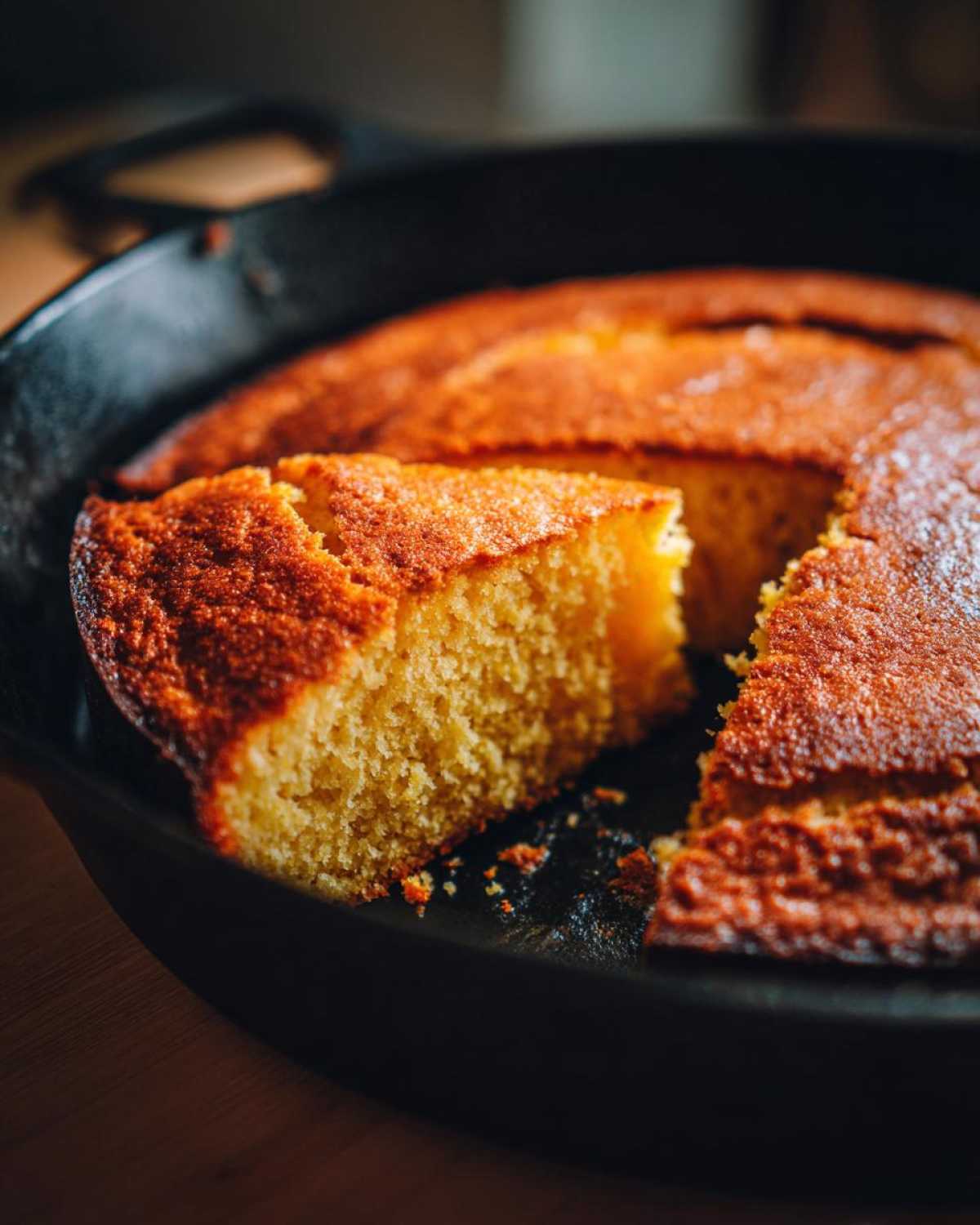
Okay, oven mitts on! Carefully take that smoking hot skillet out of the oven. Quickly swirl the sizzling butter around so the entire bottom and sides are coated. Now, pour that batter straight into the hot fat—you should hear a satisfying sizzle! Immediately pop the skillet back into the 425°F oven. Bake it for about 20 to 25 minutes. Check it with a toothpick; if it comes out clean, you’ve got it! Let it rest for just five minutes before you slice right into that beautiful crust.
Got questions about managing your cast iron? Check out my full guide!
Tips for the Best Skillet Cornbread Every Time
Listen, I’ve made plenty of disappointing batches of cornbread in my day—soggy bottoms were a real issue until I figured out a few tricks. The biggest mistake folks make with Cast Iron Skillet Cornbread is not trusting the heat. If your oven thermometer says it’s 425°F, but your skillet isn’t roaring hot, you won’t get that crust. Another thing: don’t let that mixed batter sit on the counter! Buttermilk starts working instantly, so as soon as it’s combined, it needs to go into that hot skillet. If you wait too long, it starts to deflate before it even hits the oven door. Trust me, speed matters here for truly spectacular results!
For a deep dive into cast iron care, check out my dedicated post!
Variations for Your Cast Iron Skillet Cornbread
While this base recipe for Cast Iron Skillet Cornbread is divine as is, sometimes you want to jazz things up! The best part about baking in a skillet is its versatility; it handles mix-ins like a champ, and you don’t have to worry about delicate folding since we aren’t dealing with cake batter. Think about how well cheese melts and crisps up against that hot iron edge! It’s so easy to tweak the flavor profile without affecting the amazing crust we worked so hard to achieve for this incredibly satisfying bake.
Making Savory Southern Style Cornbread
If you lean towards the savory side—maybe pairing this with a big bowl of chili or some barbecue—you should consider leaving out that quarter cup of sugar entirely. That immediately turns it into a truly authentic, tangy Southern Style Cornbread. Feel free to fold in half a cup of sharp cheddar and some minced jalapeños right before you pour it into the hot skillet. Wow, that combination hits different!
If you love jalapeños, you have to try my other favorite spicy recipe!
Serving Suggestions for Homemade Cornbread
This big, beautiful wedge of Homemade Cornbread deserves a starring role at the table, not just hiding on the side! Obviously, it’s heavenly drizzled with honey or slathered with soft butter when it first comes out of the pan. But honestly, this Skillet Bread really shines when it’s soaking up the best things in life. It’s absolutely mandatory alongside a hearty bowl of chili, or tucked right next to saucy pulled pork at a barbecue. Trust me, if you are making a soup or stew, this cornbread is the only dipping tool you’ll ever need.
This soup pairs perfectly with cornbread, by the way!
Storage and Reheating Cast Iron Skillet Cornbread
This cornbread is so good you might actually have leftovers, which is rare in my house! If you do manage to save some, you need to store it right. Keep leftover Cast Iron Skillet Cornbread loosely wrapped in foil or in an airtight container at room temperature for about three days. Once you go refrigeration, that amazing crust gets a little sad. The real trick is reheating it to bring that crunch back! Don’t use the microwave, please!
To revive that crispy bottom, wrap the slices loosely in foil and heat them in a 350°F oven or toaster oven for about 8 to 10 minutes. The residual heat of the skillet itself isn’t enough here—you need that dry oven heat to re-crisp the texture. It comes out tasting freshly baked every single time!
Frequently Asked Questions About Skillet Bread Recipes
When you’re dealing with hot iron, questions pop up! Totally normal. I get asked the same things all the time, especially about that crucial preheating step. Don’t hesitate to reach out if you can’t find what you need here, but I think I’ve covered the common sticking points for this Cast Iron Cornbread Recipe.
Can I use a different type of pan instead of cast iron for this Cast Iron Cornbread Recipe?
Technically, yes, you *can* use a glass baking dish or even a sturdy metal 9-inch cake pan. But here’s the kicker: you won’t get the signature crust. The whole point of this method is that the cast iron retains heat so intensely that it immediately sears the batter upon contact. No other pan gets that hot, holds that hot, or transfers that dry heat so efficiently. For the Best Skillet Cornbread, you really need the iron.
What is the best temperature for Baking in Cast Iron?
For this specific bread, 425 degrees Fahrenheit is the sweet spot! Why so hot? Because we are using the heat to create the crust instantly, but we don’t want to burn the entire thing before the middle is cooked. That high initial temperature combined with the quick 20 to 25-minute bake time gives us the perfect contrast: super crispy on the outside and wonderfully tender inside. It’s all about that initial blast of heat!
My cornbread stuck to the skillet. What went wrong?
Oh, that’s the worst feeling! Ninety-nine times out of one hundred, it’s because the skillet wasn’t hot enough when the batter went in, or you didn’t swirl the butter enough. Remember, we melted the two tablespoons of butter in the oven. You need to swirl that hot fat completely around the bottom and up the sides of that Skillet Bread before you pour. When the batter hits the hot fat, it needs to sizzle immediately; if it doesn’t sizzle, the batter just soaks into the iron rather than frying on top of it.
Still confused? Feel free to drop me a line in my contact form!
Nutritional Estimates for This Recipe
I always feel a little awkward giving out exact nutrition facts because, honestly, I’m not a nutritionist, and how much butter *you* personally sneak in there throws everything off! But for those of you tracking things, I pulled the general estimates based on the standard recipe yields. Remember, this is an estimate for one wedge of our fantastic Cast Iron Skillet Cornbread, and it can fluctuate depending on the brand of cornmeal or how much sugar you decide to use.
- Serving Size: 1 wedge
- Calories: 280
- Fat: 15g (with 9g saturated)
- Carbohydrates: 30g
- Protein: 6g
- Sugar: 6g
Because we are using buttermilk and whole eggs, we get a decent hit of protein, and that fat content is what helps us achieve that amazing texture! If you’re making serious substitutions, especially with dairy or sweeteners, you’ll want to double-check your own math. You can read my full disclaimer on nutritional guesses right over here: I cover all the specifics in my disclaimer page.
PrintClassic Cast Iron Skillet Cornbread
Make moist, tender cornbread with a perfectly crisp crust using the hot skillet method in your cast iron pan.
- Prep Time: 10 min
- Cook Time: 25 min
- Total Time: 35 min
- Yield: 8 servings
- Category: Side Dish
- Method: Baking
- Cuisine: American
- Diet: Vegetarian
Ingredients
- 1 1/2 cups yellow cornmeal
- 1 cup all-purpose flour
- 1/4 cup granulated sugar (adjust for sweetness preference)
- 1 tablespoon baking powder
- 1 teaspoon salt
- 1/4 teaspoon baking soda
- 1 cup buttermilk
- 1/2 cup milk
- 2 large eggs
- 1/2 cup (1 stick) unsalted butter, melted, plus 2 tablespoons for the skillet
Instructions
- Preheat your oven to 425 degrees Fahrenheit. Place the 2 tablespoons of butter into your 10-inch cast iron skillet and place the skillet in the oven while it preheats.
- In a large bowl, whisk together the cornmeal, flour, sugar, baking powder, salt, and baking soda.
- In a separate medium bowl, whisk together the buttermilk, milk, eggs, and the 1/2 cup of melted butter.
- Pour the wet ingredients into the dry ingredients. Mix gently until just combined. Do not overmix; a few lumps are fine.
- Carefully remove the hot skillet from the oven. The butter should be melted and sizzling. Swirl the skillet to coat the bottom and sides evenly with the hot butter.
- Pour the cornbread batter immediately into the hot skillet. It should sizzle when it hits the hot fat.
- Return the skillet to the oven and bake for 20 to 25 minutes, or until the top is golden brown and a toothpick inserted into the center comes out clean.
- Let the cornbread cool in the skillet for 5 minutes before slicing and serving directly from the skillet.
Notes
- Heating the skillet and fat before adding the batter creates the signature crispy crust.
- For a richer flavor, substitute half of the buttermilk with heavy cream.
- If you prefer savory cornbread, omit the sugar entirely.
Nutrition
- Serving Size: 1 wedge
- Calories: 280
- Sugar: 6
- Sodium: 350
- Fat: 15
- Saturated Fat: 9
- Unsaturated Fat: 6
- Trans Fat: 0
- Carbohydrates: 30
- Fiber: 2
- Protein: 6
- Cholesterol: 85