

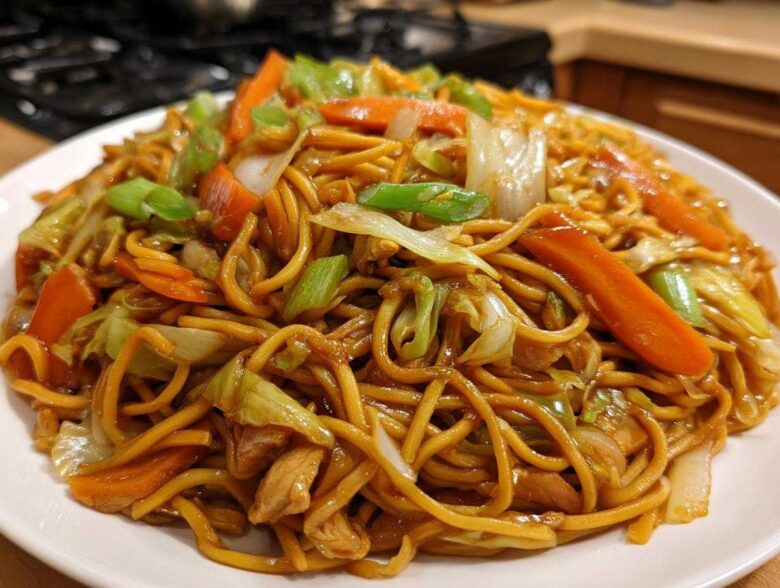
Are you tired of ordering takeout only to find your Lo Mein noodles are either a sad, soggy mess or just taste… bland? Me too! For years, I tried to nail that authentic, intensely savory flavor you only dream about getting from your favorite spot, and honestly, it was frustrating. I finally cracked the code by obsessing over the sauce—it needs that perfect harmony of salty, sweet, and umami depth. I’m telling you, once you see how easy it is to whip up this definitive, restaurant-style Chicken Lo Mein right here in your own kitchen in under 40 minutes, you’ll never dial for delivery again. If you love bold flavors, you might also want to check out my recipe for Honey Garlic Chicken Stir Fry! Trust me on this sauce blend; it changes everything!
Why This Is the Best Homemade Chicken Lo Mein Recipe
I know everyone claims their recipe reigns supreme, but this one truly delivers the takeout experience without the guesswork—or the hours waiting by the phone! This isn’t just another noodle dish; it’s a perfectly balanced main event that hits every note you want in an authentic Chicken Lo Mein.
-
Quick Prep and Cook Times
Seriously, you’re looking at just about 35 minutes total time! This recipe is perfect for those evenings when you need a satisfying, quick chicken lo mein dinner but crave something better than frozen stuff.
-
Achieving Takeout Style Lo Mein Flavor
The real key here is the high heat necessary for the stir-fry and nailing that specific sauce combination. We are aiming for that irresistible, slightly caramelized coating that defines a great takeout style lo mein recipe.
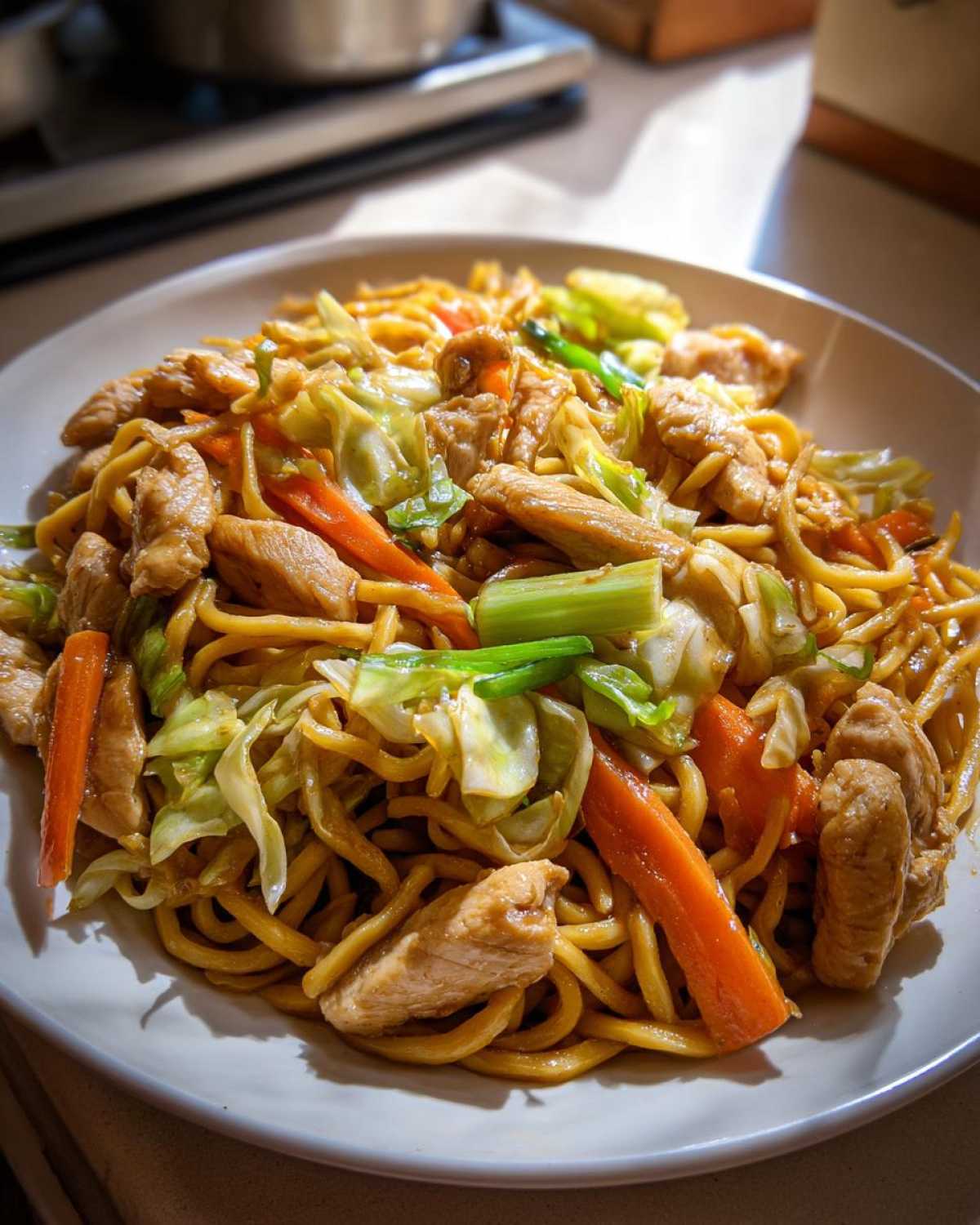
Essential Ingredients for Authentic Chicken Lo Mein Sauce Ingredients
You can’t fake the flavor, folks! If you want this to taste genuinely like the best place in town, you have to respect the sauces. Forget shaking things in willy-nilly; the magic really comes from mixing the sauce blend separately before anything hits the hot wok. The **authentic chicken lo mein sauce ingredients** are simple, but the balance is everything. You absolutely must use dark soy sauce—that’s non-negotiable for getting that gorgeous mahogany color and deep, earthy flavor. Oyster sauce brings that essential umami punch, too!
Selecting the Best Homemade Lo Mein Noodles
Listen, you can’t use spaghetti here, or you’ll end up with something else entirely! For proper Chicken Lo Mein texture, you need dried lo mein noodles. Cook them *just* until they are tender—I mean barely—and then shock them with cold water right away. This stops the cooking process dead in its tracks so they don’t turn mushy. A tiny splash of oil tossed through them afterward keeps them separated and happy until they meet the wok. Honestly, getting the noodles right is half the battle.
Vegetable Additions for Lo Mein
The standard mix of carrots, celery, onion, and cabbage they use at the restaurants isn’t just random; those veggies hold up beautifully to high-heat stir-frying. Make sure you slice them uniformly so they cook evenly. If you want to jazz it up, throw in some thinly sliced bell peppers or maybe some snappy snow peas! The key is keeping them crisp-tender—we want crunch, not a sloppy mess, when we talk about great **vegetable additions for lo mein**.
How to Make Chicken Lo Mein at Home Step-by-Step
Okay, this is where the magic happens! Forget fiddling around; once you start cooking, the whole process moves lightning fast. That’s why precision is everything when you’re learning **how to make chicken lo mein at home**. You want everything prepped and ready to go right beside your stove. This is a high-heat game, baby!
Preparing the Chicken Marinade
First off, we need to treat that chicken right. Thinly slice your chicken breast—thinly!—and put it in a bowl. We’re doing a little at-home velvet trick here: coat it generously with a tablespoon of soy sauce and the cornstarch. This little coating protects the chicken from drying out over the intense heat and gives it a lovely, slightly springy texture when done. Let that sit for just the time it takes you to heat up your wok.
Stir Frying for Maximum Flavor
Get your wok smoking hot—I mean really ripping hot! Add a splash of oil, then toss in the coated chicken. Cook it fast, maybe 3 or 4 minutes, until it’s browned, and then immediately pull it out and set it aside. Do NOT leave it in there! Now, add a little more oil and toss in your hard veggies—the carrots, celery, and onion. Stir fry them hard until they just start to soften but still have some fight in them, about 3 minutes. Then throw in the garlic and ginger for just 30 seconds until you can smell them—be careful not to burn them, or the whole dish tastes bitter!
Here’s my big tip for avoiding that soggy stir fry mess: Never, ever overcrowd your pan, especially when cooking the chicken or the vegetables. If you have a smaller wok, cook the chicken in two batches. Overcrowding lowers the temperature, and then everything steams instead of searing! For more veggie inspiration, check out my recipe for a quick Asian-style carrot salad, which uses similar fresh flavors.
Combining Noodles and Sauce in the Chicken Lo Mein
It’s time to bring it all back together! Put the chicken back in the wok with the veggies. Now, pour that beautiful, pre-whisked sauce mixture right over the top. Last but not least, add your cooked, rinsed noodles. You just need to toss everything continuously—gently but vigorously—for about 60 to 90 seconds. You want the sauce to coat every single strand and thicken up just barely. Toss in half your green onions right at the very end for that fresh final bite. You can find some other great skillet ideas like my Garlic Parmesan Chicken Skillet if you ever need an alternative weeknight meal!
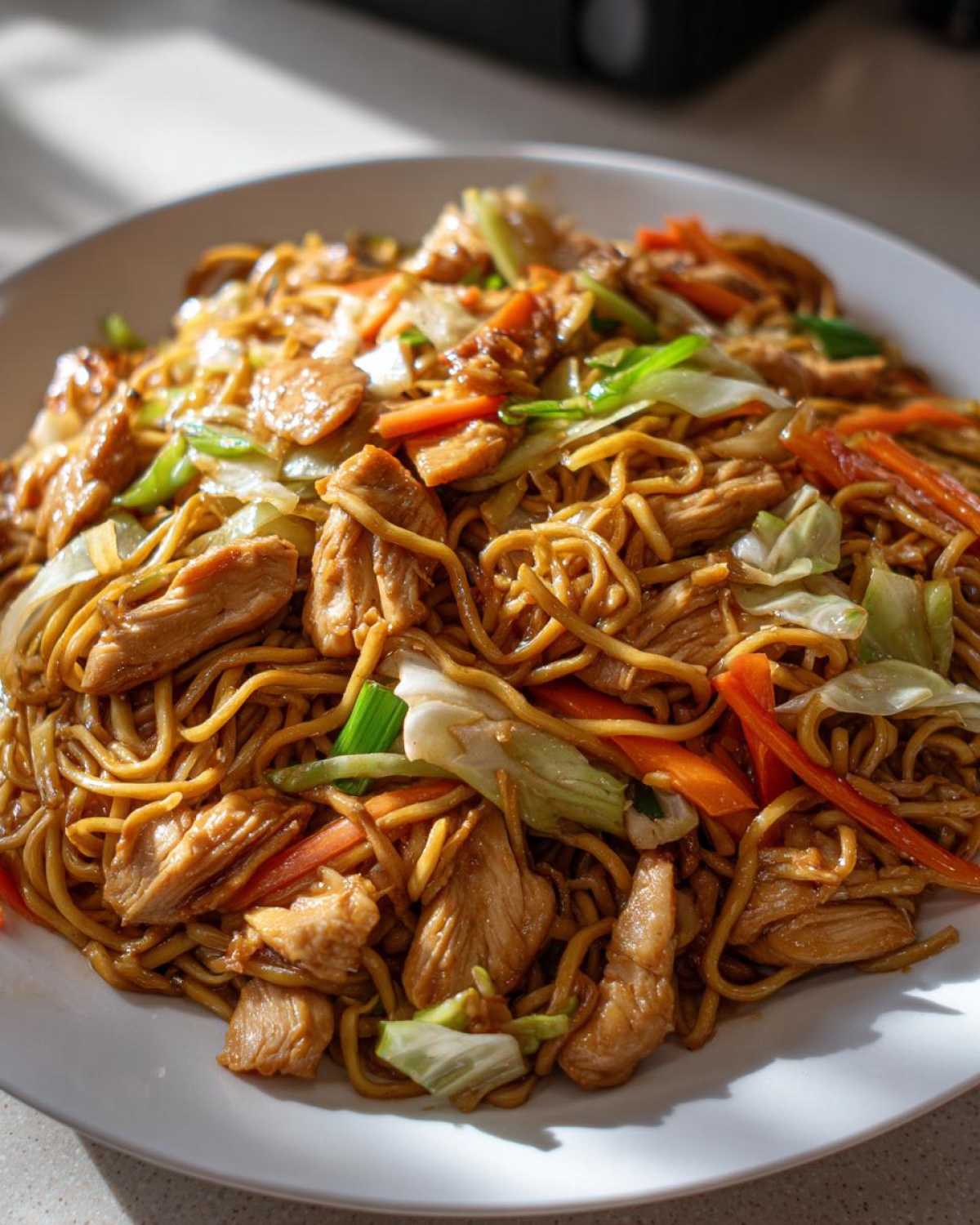
Expert Tips for Perfect Chicken Lo Mein Texture
I’ve been there—I’ve made Lo Mein that tasted like it sat in the bottom of a stockpot! The biggest enemy of great **Chicken Lo Mein** is sogginess, plain and simple. To avoid it, you have to respect the heat and the noodles.
Remember rinsing those noodles in cold water? That is critical. If they stay hot, they keep cooking and get gummy. Also, use the absolute highest heat your stove can manage for the stir-frying steps. If your sauce isn’t sticking and thickening by the time you pull everything off the heat, it usually means you needed a bit more cornstarch in the marinade or you cooked it too cool.
If the flavor feels flat, always check your salt and umami balance! A touch more soy sauce or even a tiny pinch of MSG (if you’re feeling traditional!) will wake it right up. You can check out my Chicken Piccata Recipe if you ever want to switch gears wholly away from Asian flavors, but these tips work universally for stir-fries!
Variations: Making Your Easy Chicken Lo Mein Recipe Your Own
Listen, while this recipe is fantastic as written, I’m all about tweaking things to work for whatever I have on hand or whatever my family is craving that night! You can easily make this your own go-to **easy chicken lo mein recipe**.
Gluten-Free and Healthy Chicken Lo Mein Low Calorie Swaps
If you need to skip the gluten, it’s a super simple switch: just swap out the regular soy sauce and oyster sauce for tamari! That keeps the amazing flavor profile intact. Also, if you’re aiming for a richer, slightly more decadent taste—and maybe ignoring the ‘low calorie’ goal for one meal—try swapping the chicken breast for boneless, skinless chicken thighs. Thighs stay juicy way longer, which is perfect for a big batch, unlike the leaner breast meat.
Adding More Vegetables to Your Stir Fry Chicken Noodles Vegetables
We already use carrots and cabbage, but don’t stop there! If you happen to have fresh shiitake mushrooms, slice them thinly and add them right in with the celery and onion; they soak up that sauce beautifully. Snow peas or fresh broccoli florets are also fantastic additions. Just make sure you add those harder veggies with the initial batch, and softer things like mushrooms go in right before the garlic!
For a one-pan dish that’s a little different but still features that great Asian flavor, you should definitely check out my recipe for Chicken and Broccoli One-Pan Honey Garlic!
Storage and Make Ahead Chicken Lo Mein Instructions
You know how some leftovers are fantastic the next day? Well, this **Chicken Lo Mein** is one of them! The flavors actually seem to deepen overnight, which is great for busy weeknights when you need dinner ready instantly.
If you’re planning ahead, let the noodles and chicken mixture cool down completely before you even think about putting it into storage. Put it into an airtight container—the flatter the container, the faster it cools, which is safer! It keeps perfectly well in the fridge for about three days.
When it’s time to reheat, you have two routes, and I have strong opinions on both! The microwave is faster, sure, but it can sometimes bring back some sogginess. If you use the microwave, use 50% power in short bursts and toss it halfway through. If you want it to taste *exactly* like it was just made, reheat it in a wok or a large skillet over medium-high heat. Toss it constantly, and maybe add just a tiny splash of chicken broth or water to create a little steam to loosen everything up. You can find my recipe for perfectly braised chicken thighs if you ever want to try a different slow-cook method!
Serving Suggestions for Your Family Friendly Chicken Noodle Stir Fry
So you’ve mastered the perfect, non-soggy Chicken Lo Mein—yay! Now, how do you turn that into a full-scale, amazing family dinner? Since Lo Mein is already pretty hearty with noodles, chicken, and five types of vegetables, you don’t need much else, honestly.
I usually keep it light on the sides. A crisp, clean salad really cuts through the savory sauce beautifully, so I often make a batch of my Zesty Cucumber Tomato Salad. If you want something warm, a simple bowl of clear egg drop soup finishes the meal perfectly without feeling too heavy. If you’re serving kids who want dipping action, a side of store-bought spring rolls is always a huge hit!
Frequently Asked Questions About Chicken Lo Mein
I get so many questions whenever I post this recipe—and that’s fantastic! It means you want to get it right, and I am happy to help you troubleshoot anything. Here are the things folks ask me about most often when diving into making Chicken Lo Mein at home. If you want to learn more about my philosophy in the kitchen, feel free to check out my About Us page!
Can I use spaghetti instead of lo mein noodles for this recipe?
Oh, the classic substitution question! Yes, you *can* use spaghetti if that’s all you have because, let’s be honest, sometimes we have to improvise. But I have to be straight with you: it won’t be the same. Spaghetti is much denser than the authentic lo mein noodles we are using here, and it absorbs the sauce differently, often leading to a slightly heavier final dish. If you use it, try tossing it with a little extra broth or water when you add the sauce to prevent it from becoming too stiff.
What is the secret to making this a Chicken Lo Mein that tastes like takeout?
It all comes down to three things, honestly. First, high heat! Hotter than you think you need! Second, don’t skip the dark soy sauce; that color and depth are essential. And third, the vegetables MUST stay crisp-tender. If your vegetables are soft and cooked down, you’ve essentially made a noodle casserole, not a true stir fry. Keep that heat up and toss fast!
How can I make this a Chicken Lo Mein recipe for beginners?
If you’ve never stir-fried before, that wok can look intimidating, right? Don’t let it scare you! If you don’t own a wok, please just use the largest, heaviest skillet you own. The biggest game-changer for beginners making their first **Chicken Lo Mein recipe for beginners** is prep! Have every single vegetable chopped, every sauce measured out, and the chicken ready *before* you turn the stove on. Once you start heating things up, you won’t have time to stop and measure anything, so measure everything first!
Nutritional Estimates for This Chicken Lo Mein Recipe
Okay, so we’ve covered flavor and texture, but I know many of you are tracking macros or just curious about what’s in this glorious bowl of stir-fried goodness! Below are the estimated nutrition facts based on the ingredient amounts used in this recipe, which yields four generous servings.
Remember, these numbers are approximate! If you use chicken thighs instead of breast, or decide to add a huge handful of extra broccoli, things change slightly. I always use my general estimates, but if you’re super strict, you might want to calculate precisely based on your brands!
- Serving Size: 1 serving
- Calories: 550
- Protein: 38g
- Fat: 12g (with only 2g Saturated Fat—hey, that’s pretty good!)
- Carbohydrates: 75g
- Fiber: 4g
- Sugar: 8g
- Sodium: 950mg
It’s a surprisingly balanced meal, loaded with protein from the chicken and tons of carbs from the noodles to keep you fueled up! For specific disclaimers about nutritional information on my site, you can always check my full disclaimer page.
PrintRestaurant Style Chicken Lo Mein
Follow these steps to make authentic, takeout-style Chicken Lo Mein at home using a simple sauce blend and fresh vegetables.
- Prep Time: 20 min
- Cook Time: 15 min
- Total Time: 35 min
- Yield: 4 servings
- Category: Dinner
- Method: Stir Fry
- Cuisine: Chinese
- Diet: Low Fat
Ingredients
- 1 pound dried lo mein noodles
- 1 pound boneless, skinless chicken breast, thinly sliced
- 2 tablespoons soy sauce, divided
- 1 tablespoon cornstarch
- 2 tablespoons vegetable oil, divided
- 1 cup sliced carrots
- 1 cup sliced celery
- 1 cup sliced white or yellow onion
- 2 cups shredded green cabbage
- 4 cloves garlic, minced
- 1 teaspoon grated fresh ginger
- 1/4 cup oyster sauce
- 2 tablespoons dark soy sauce
- 1 tablespoon sesame oil
- 1 teaspoon sugar
- 1/2 cup chicken broth
- 4 green onions, chopped for garnish
Instructions
- Cook the lo mein noodles according to package directions until just tender. Drain immediately and rinse with cold water to stop cooking. Toss lightly with 1 teaspoon of vegetable oil to prevent sticking. Set aside.
- In a medium bowl, toss the sliced chicken with 1 tablespoon of soy sauce and the cornstarch until coated.
- Heat 1 tablespoon of vegetable oil in a large wok or skillet over high heat. Add the marinated chicken and stir fry until cooked through and lightly browned, about 3-4 minutes. Remove the chicken from the wok and set aside.
- Add the remaining 1 tablespoon of vegetable oil to the wok. Add the carrots, celery, onion, and cabbage. Stir fry for 3 minutes until vegetables are crisp-tender.
- Add the minced garlic and grated ginger to the wok. Stir fry for 30 seconds until fragrant.
- In a small bowl, whisk together the oyster sauce, dark soy sauce, sesame oil, sugar, remaining 1 tablespoon of soy sauce, and chicken broth to create the sauce.
- Return the cooked chicken to the wok. Add the cooked noodles and pour the sauce mixture over everything.
- Toss continuously for 1-2 minutes until the noodles and chicken are evenly coated and the sauce has thickened slightly.
- Remove from heat. Stir in half of the chopped green onions.
- Serve immediately, garnished with the remaining green onions.
Notes
- For a gluten-free version, substitute tamari for the soy sauce and ensure your oyster sauce is gluten-free.
- If you do not have a wok, use the largest skillet you own and cook in batches if necessary to maintain high heat.
- You can substitute chicken thighs for breast meat for a richer flavor.
Nutrition
- Serving Size: 1 serving
- Calories: 550
- Sugar: 8
- Sodium: 950
- Fat: 12
- Saturated Fat: 2
- Unsaturated Fat: 10
- Trans Fat: 0
- Carbohydrates: 75
- Fiber: 4
- Protein: 38
- Cholesterol: 95