

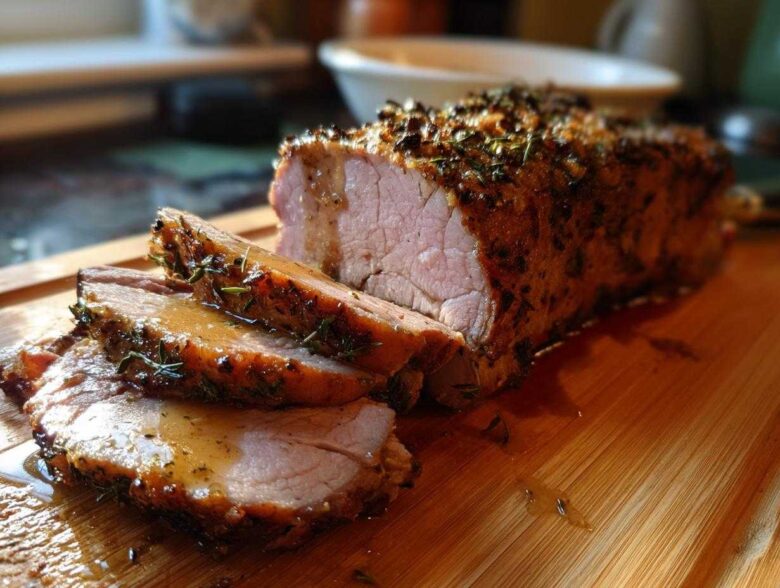
If you’ve ever sliced into a carefully seasoned roast only to find dry, sad meat staring back at you, you know the pain! That was my biggest fear when making cuts like this. But Kai, bless his instinctual cooking heart, showed me that a fantastic, juicy pork loin roast comes down entirely to timing. Forget complicated marinades; this recipe relies on a simple rub and getting the oven temperature just right. We’ve perfected the gentle dance between high heat for a crust and lower heat for tenderness. This easy pork dinner is quick enough for a Tuesday night but still feels special enough for a proper Sunday roast recipe. We’ve taken my research and paired it with his seasoned timing advice so you get perfection!
Why This Juicy Pork Loin Roast Recipe Works Every Time
Honestly, the secret to avoiding dry pork isn’t in some pricey marinade. It’s all about respecting the meat and, most importantly, using your meat thermometer! Kai taught me that feeling the meat is good, but knowing the exact temperature is foolproof. This recipe is built around trust and precision.
- We rely on just five core spices to create incredible flavor without masking the natural taste of the pork.
- The two-stage roasting temperature guarantees a crispy outside and a perfect medium center.
- The focus is solely on hitting that sweet spot temperature to lock in all the moisture.
Simple Seasoning for Maximum Flavor
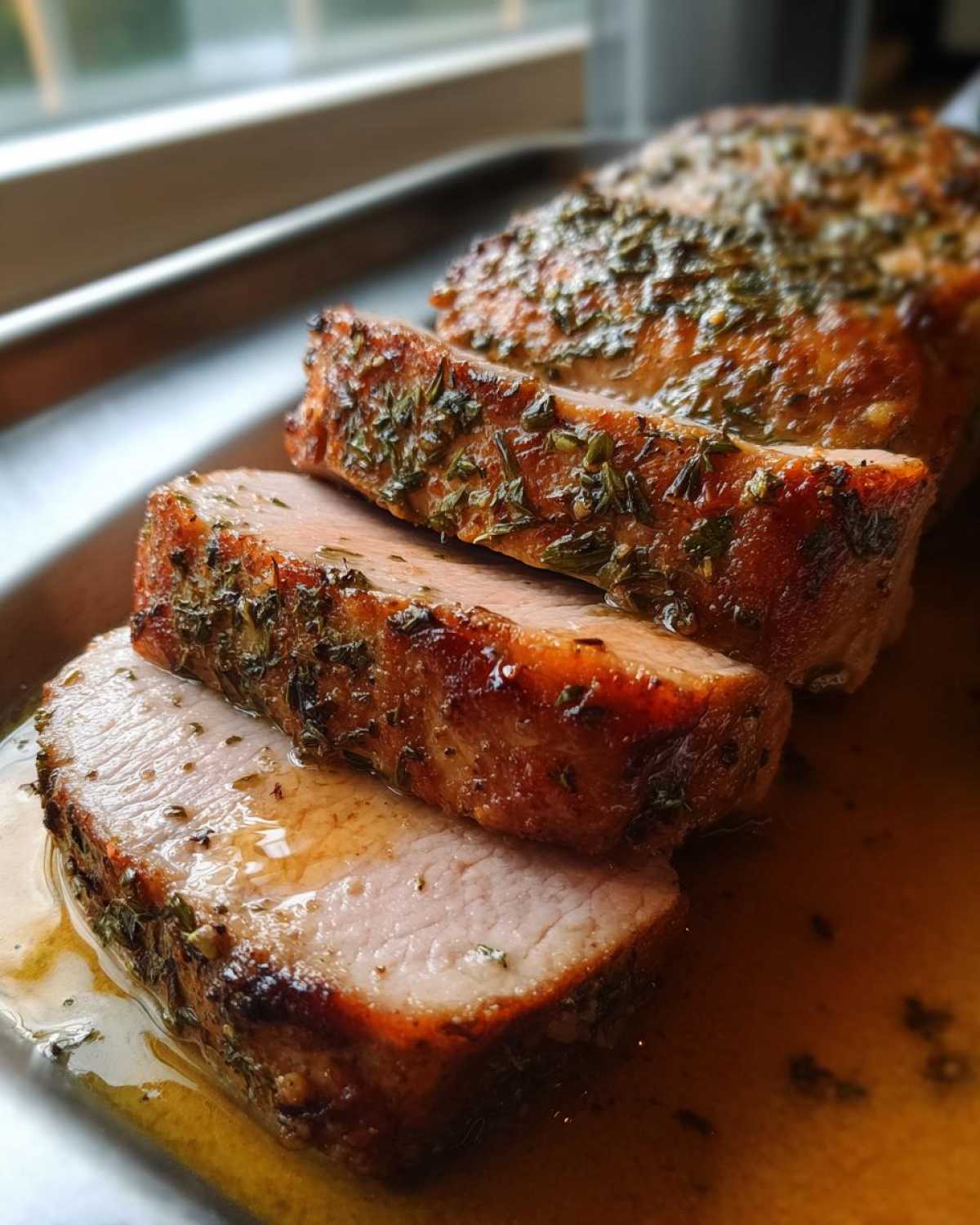
Since the pork loin roast is pretty lean, we keep the seasoning simple: salt, pepper, garlic powder, and thyme. That’s it! Rubbing it with olive oil first makes sure this dry rub, which is basically just enough seasoning to create a lovely oven roasted pork crust, sticks everywhere. It lets the meat shine.
Mastering the Pork Loin Internal Temp for a Juicy Pork Loin Roast
This is the part where you need to trust the science over the clock! We pull the roast out when it hits 140 degrees Fahrenheit. Don’t panic if that sounds low; resting is essential. That 10 minutes under foil allows the residual heat to carry the temperature safely up to 145 degrees. This carryover cooking is what secures that unbelievably juicy pork loin roast result. Don’t skip that resting step, or you undo all our hard work!
Ingredients for Your Perfect Pork Loin Roast
When I first looked at Kai’s grandmother’s prep lists, they were so short! I love that about this cut. You only need a few things to make this taste like a thousand-dollar feast. Remember to grab that bone-out roast so it cooks evenly. Here is what you’ll need for about six servings:
- 1 (3-4 lb) pork loin roast, bone-out
- 1 tablespoon olive oil
- 1 teaspoon kosher salt
- 1 teaspoon black pepper
- 1 teaspoon garlic powder
- 1 teaspoon dried thyme
Step-by-Step Guide to Oven Roasted Pork
Okay, let’s get this show on the road! This roasting process is so straightforward, even I, the research queen, managed it perfectly the first time. The key to amazing oven roasted pork is getting that moisture sealed in and developing that beautiful, spiced crust right away. Pay close attention to the temperature switch; that’s where the magic happens!
Preparing and Seasoning the Pork Loin Roast
First thing: crank that oven up to 400 degrees Fahrenheit. Next, you have to dry the meat. I mean soak-it-until-it’s-bone-dry dry! This step is non-negotiable if you want a crust. While that heats up, mix your salt, pepper, garlic powder, and thyme. Kai always insists I rub the oil on first—it’s his way of making sure the seasoning adheres evenly. Press that herb mixture firmly all over the surface of the pork loin roast. If there’s a bare spot, that’s where the crust won’t form!
Roasting Times and Hitting the Pork Loin Internal Temp
Pop the seasoned roast into your pan and blast it at that hot 400 degrees for just 15 quick minutes. This sets that gorgeous exterior. After that blast, immediately drop the temperature down to 350 degrees Fahrenheit. Now, we switch to thermometer time! You’ll continue roasting until the very center reads exactly 140 degrees Fahrenheit. Typically, this takes around 15 to 20 minutes for every pound of meat. Once you hit 140°F, you need to pull it out right then. Trust me, the internal temperature will keep climbing while it rests!
The Essential Rest Period for Your Pork Loin Roast
If I could shout one thing from the rooftops about cooking any roast, it would be this: DO NOT SKIP THE RESTING STEP! Seriously, this 10-minute break is just as crucial as the seasoning or the oven temperature. I learned this the hard way—if you slice into that pork loin roast immediately after it leaves the hot oven, all those lovely, trapped juices rush right out onto the cutting board instead of staying in the meat.
When you pull the roast out at that magic number (140 degrees Fahrenheit, remember?), the temperature is still actively rising. Tent it loosely with foil, walk away for a solid 10 minutes—go set the table, pour a glass of wine, pretend you’re *not* hungry! During this time, the internal temperature will coast safely up to that final, perfect 145 degrees Fahrenheit. This final rise ensures everything is cooked beautifully, and more importantly, it keeps all that moisture locked right inside the fibers. It’s the difference between a good roast and the kind of incredibly juicy roast that makes people ask for your recipe!
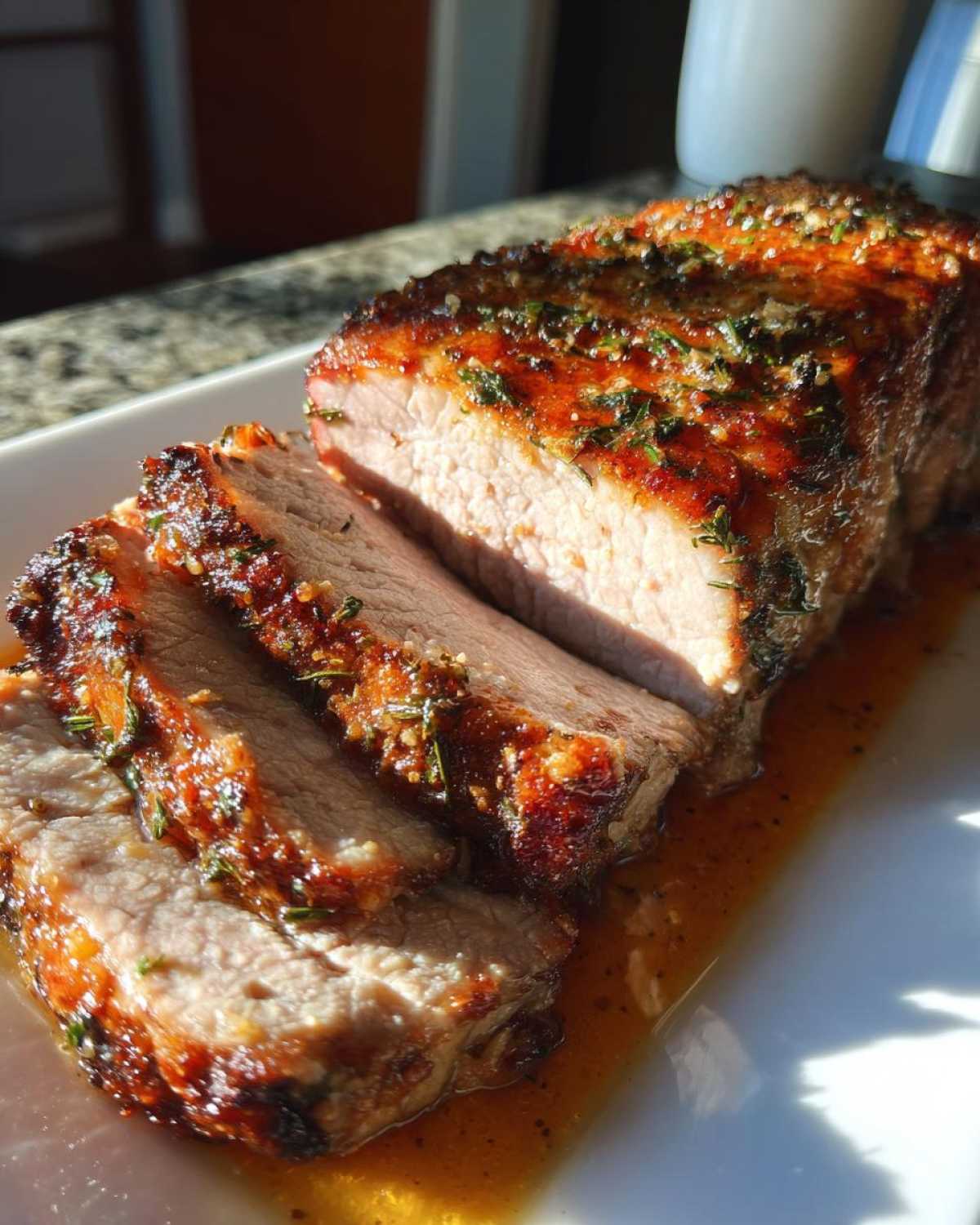
Making a Quick Pan Sauce Gravy for Your Easy Pork Dinner
We have the perfect roast, but now we need that luscious final touch to glue the whole meal together! If you think making a proper gravy from the drippings is hard, think again. This pan sauce is the fastest, most satisfying way to elevate your easy pork dinner. It takes about five minutes while the roast is resting, so the timing is perfect.
Once you transfer that beautiful roast to the cutting board, carefully place your roasting pan right onto the stovetop burner over medium heat. You want to capture all those browned, flavorful bits stuck to the bottom—that’s pure gold! Use a wooden spoon or spatula to scrape up every bit of that sticky goodness; we call that *de-glazing* here at Feast Follower.
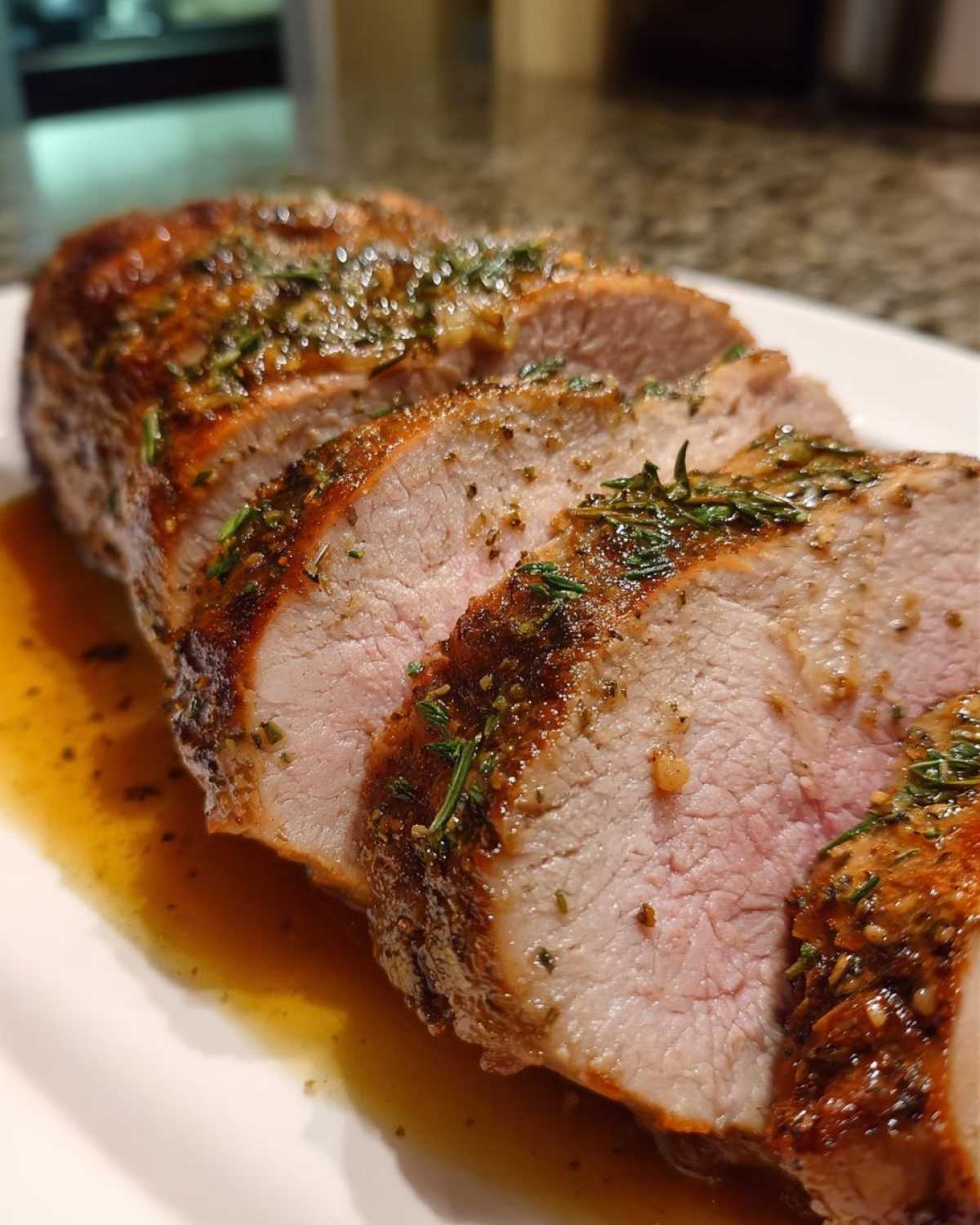
Now for the thickening part. You need one cup of chicken broth, but here’s the trick for lump-free gravy, which Kai insists upon: don’t dump the cornstarch straight in! Instead, mix 1 tablespoon of cornstarch with 2 tablespoons of cold water in a small dish first until it looks like milky paint. This slurry is added right into the simmering broth, whisking constantly. It thickens up almost instantly! If you want to see another amazingly quick topping, check out how we make a cheese dip, because we love a good, fast sauce, even if it’s not exactly a pan sauce gravy!
Give it a taste—it might need a tiny pinch more salt and pepper—and then pour that savory sauce right over your slices. Honestly, this simple step turns “good roast” into “we need to make this every Sunday!”
Tips for the Best Weeknight Dinner or Sunday Roast Recipe
Okay, now that you’ve mastered the temperature, let’s talk pro moves that make this a true go-to meal. Whether you’re aiming for a quick weeknight dinner or a substantial sunday roast recipe centerpiece, a few small adjustments take this from great to truly exceptional. These are the things Kai always reminds me about!
The absolute biggest tip is staying away from the oven too soon. If you pull that roast out only to find it’s a little under—maybe only 135 degrees Fahrenheit—don’t panic and throw it back in at 400 degrees! That’s how you get dry meat guaranteed. If you’re slightly under, just pop it back in at 350 degrees Fahrenheit and check every five minutes until you gently reach that 140°F target for resting. Patience preserves the juice!
The Optional Sear for Next-Level Crust
For those days when you have an extra five minutes and want a truly restaurant-quality crust, you need to sear the pork first. This means we skip Step 6 in the method above, and instead, you heat that same olive oil in an oven-safe skillet (cast iron is perfect!) until it’s shimmering hot before you rub the seasoning on. Sear every side until it’s beautifully browned, which takes maybe two minutes per side. Then, you slide the entire skillet right into the preheated 400-degree oven. This method really builds flavor!
Don’t Cross the 145°F Line While Cooking
I have to repeat this because it’s so important for that juicy pork loin texture: never cook this roast until it hits 145 degrees Fahrenheit *in the oven*. If you do that, by the time it rests, it’s going to be overcooked and tough. We aim for 140°F removal so that the carryover heat brings it up safely to 145°F while resting under that foil tent. This is the most important part of guaranteeing a tender slice for your family meal.
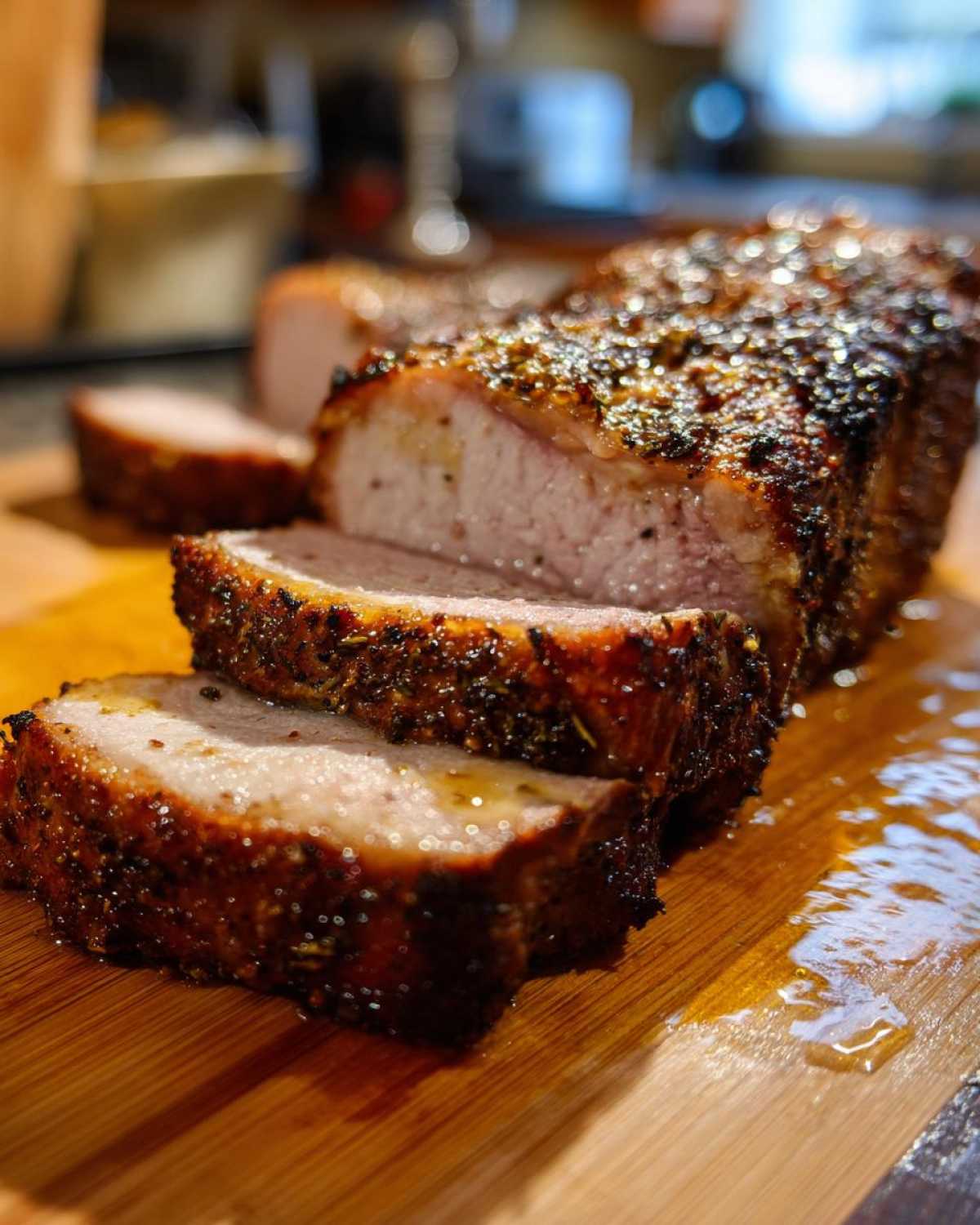
Storing and Reheating Your Leftover Pork Loin Roast
Oh, leftovers! Sometimes Kai and I look forward to the pork the next day almost as much as the first night. To make sure your leftovers stay juicy, the key starts before you even put them away. If you sliced the roast thinly for your first dinner, that’s fantastic for storing! Thinner slices reheat faster and more evenly.
Wrap the slices tightly in plastic wrap first, and then tuck them into an airtight container. This double-layer protection keeps the moisture locked in. They are great in the fridge for about three good days. Don’t let them sit longer than that; we want safe leftovers!
When it comes to reheating, please promise me you won’t microwave thick slices into rubber pucks! For moisture, you need gentle heat. Add a tiny splash of liquid—chicken broth or even water—to the bottom of a skillet or even a microwave-safe bowl. Cover it tightly with a lid or foil before heating. This steams the meat slightly, keeping it tender. A quick warm-up is all you need to enjoy the rest of what was an amazing pork loin roast!
Frequently Asked Questions About Pork Loin Roast
We get a lot of questions after people try this recipe—usually, they’re calling to tell us how juicy their meat turned out! But when you’re looking for a reliable weeknight dinner or planning out a big Sunday roast recipe, it’s good to have those specific details ironed out. Here are a few things we hear most often in our inbox!
What is the correct pork loin internal temp for medium-rare?
For that perfect, tender slice, you are aiming for medium to medium-well, based on safety guidelines. We are obsessed with pulling the pork loin roast out of the oven when the meat thermometer hits exactly 140 degrees Fahrenheit. I know, it seems early! But the resting period allows the internal temperature to climb safely up to 145 degrees Fahrenheit, which is where the meat remains wonderfully tender and juicy. Going past that 145°F mark in the oven means you’ll end up with a drier roast, trust me on this one!
Can I cook this pork loin roast in a slow cooker?
You absolutely could, but you’d miss out on that gorgeous, seasoned crust we worked so hard to develop! The slow cooker is wonderful for shredding meats, but this recipe is designed specifically for that high-heat blast followed by the lower bake to achieve that ideal oven roasted pork exterior. If you use a slow cooker, you won’t get that crispy texture. For the best, juiciest results, stick to the oven method!
What if I don’t have thyme in my spice cabinet?
Thankfully, this rub is very forgiving! Thyme pairs wonderfully with pork, but if you don’t have it, just feel free to substitute it with an equal amount of crushed dried rosemary or even a bit of dried sage. The key flavor components here are the salt, pepper, and garlic powder, so the roast will still be delicious for your easy pork dinner. You can always find more of our general recipe tips over on the Feast Follower blog!
Estimated Nutritional Data for This Easy Pork Dinner
I always check the nutrition facts just to see how something fits into our week, even if we aren’t strictly counting every bite! Since this roast is so lean and relies on simple seasonings, the numbers are actually pretty great. It’s a high-protein hit, which is perfect for feeling satisfied after a meal.
Keep in mind, these numbers are just an estimate based on how we mix and prepare the ingredients listed. Cooking fats can change things slightly, especially if you decide to really load up on that delicious pan sauce we made!
- Serving Size: 4 oz cooked
- Calories: 280
- Fat: 12g (Saturated Fat: 4g)
- Carbohydrates: 1g
- Protein: 40g
- Sodium: 350mg (This can vary widely based on the salt you use!)
- Cholesterol: 95mg
See? Forty grams of protein in that serving size! That’s why this makes such a fantastic main dish for any meal gathering. It’s fuel for the next adventure!
PrintJuicy Oven Roasted Pork Loin Roast
Learn how to make a simple, juicy pork loin roast in the oven with minimal ingredients. This recipe includes clear timing and temperature guidance for perfect slices every time, plus a simple pan sauce idea.
- Prep Time: 10 min
- Cook Time: 75 min
- Total Time: 85 min
- Yield: 6 servings
- Category: Dinner
- Method: Oven Roasting
- Cuisine: American
- Diet: Low Fat
Ingredients
- 1 (3-4 lb) pork loin roast, bone-out
- 1 tablespoon olive oil
- 1 teaspoon kosher salt
- 1 teaspoon black pepper
- 1 teaspoon garlic powder
- 1 teaspoon dried thyme
Instructions
- Preheat your oven to 400 degrees Fahrenheit.
- Pat the pork loin roast completely dry using paper towels. This helps create a better crust.
- In a small bowl, mix together the salt, pepper, garlic powder, and thyme.
- Rub the olive oil all over the pork loin roast.
- Sprinkle the spice mixture evenly over the entire surface of the pork loin roast, pressing gently so the seasoning sticks.
- Place the seasoned roast in a roasting pan or on a rimmed baking sheet.
- Roast at 400 degrees Fahrenheit for 15 minutes.
- Reduce the oven temperature to 350 degrees Fahrenheit. Continue roasting until the internal temperature reaches 140 degrees Fahrenheit on a meat thermometer inserted into the thickest part of the roast. This usually takes about 15-20 minutes per pound.
- Remove the pork loin roast from the oven when it hits 140 degrees Fahrenheit.
- Transfer the roast to a cutting board and tent it loosely with foil. Let it rest for at least 10 minutes before slicing. The temperature will rise to a safe 145 degrees Fahrenheit during resting.
- Slice the pork loin roast against the grain into half-inch thick pieces for your easy pork dinner.
- For a quick pan sauce gravy, place the roasting pan over medium heat on the stovetop. Scrape up any browned bits from the bottom of the pan. Whisk in 1 cup of chicken broth and 1 tablespoon of cornstarch mixed with 2 tablespoons of cold water until thickened.
Notes
- For the juiciest pork, do not overcook. Aiming for 140 degrees Fahrenheit before resting is key for tender slices.
- If you prefer a crispier exterior, you can sear the roast in an oven-safe skillet with the oil before placing it in the oven.
- This recipe works well for a weeknight dinner but is substantial enough for a Sunday roast.
Nutrition
- Serving Size: 4 oz cooked
- Calories: 280
- Sugar: 1
- Sodium: 350
- Fat: 12
- Saturated Fat: 4
- Unsaturated Fat: 8
- Trans Fat: 0
- Carbohydrates: 1
- Fiber: 0
- Protein: 40
- Cholesterol: 95