

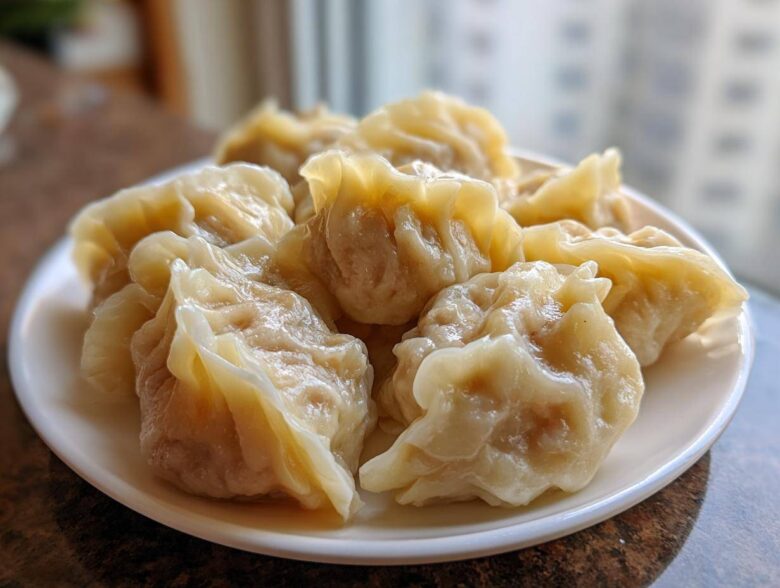
When Kai first tried to teach me to make his family’s Traditional Chinese Dumplings, I was terrified of the dough. I’m Luna, and usually, I rely on step-by-step videos, but Kai—bless his intuitive heart—just wanted me to *feel* the texture. But wow, was it worth tackling! There is just nothing that beats the soft, pliable chewiness you get from homemade dumpling wrappers hugging that savory pork and cabbage filling. Seriously, once you make these authentic jiaozi from scratch, you won’t look back. Forget the flimsy store-bought kind; this recipe is our absolute favorite way to spend a cozy Sunday afternoon. Let’s get folding!
Why This Traditional Chinese Dumplings Recipe Stands Out (E-E-A-T)
I’ll be honest, when Kai first shared this Chinese dumplings recipe, I thought, “I can just buy the wrappers.” But wow, was I wrong! This recipe truly shines because we stick to the traditional approach for both the filling and the dough. It takes a little more elbow grease, but that’s where the authentic flavor lives. Trust me, making these pork cabbage dumplings completely changes the game. Don’t be intimidated; we’re walking you through Kai’s family secrets right here!
The Secret to Perfect Authentic Jiaozi
Kai’s grandmother always insisted that the secret to great authentic jiaozi wasn’t just the spices—it was the physical texture of the filling. You have to mix that pork and cabbage filling until it gets really sticky, almost elastic. That tackiness is what makes the filling hold together perfectly when boiling. If you just stir it gently, the flavor is fine, but you miss that incredible, cohesive bite that signals a truly homemade dumpling.
Mastering Homemade Dumpling Wrappers
Listen, store-bought wrappers get soggy fast, especially when you’re making boiled Chinese dumplings for a big Lunar New Year gathering. The real magic in these Traditional Chinese Dumplings comes from the homemade dumpling wrappers. Rolling them thin—so thin you can almost see your finger through them before you fill them—creates a delicate skin that steams beautifully rather than turning into tough, chewy dough. It’s totally worth the extra 15 minutes of kneading!
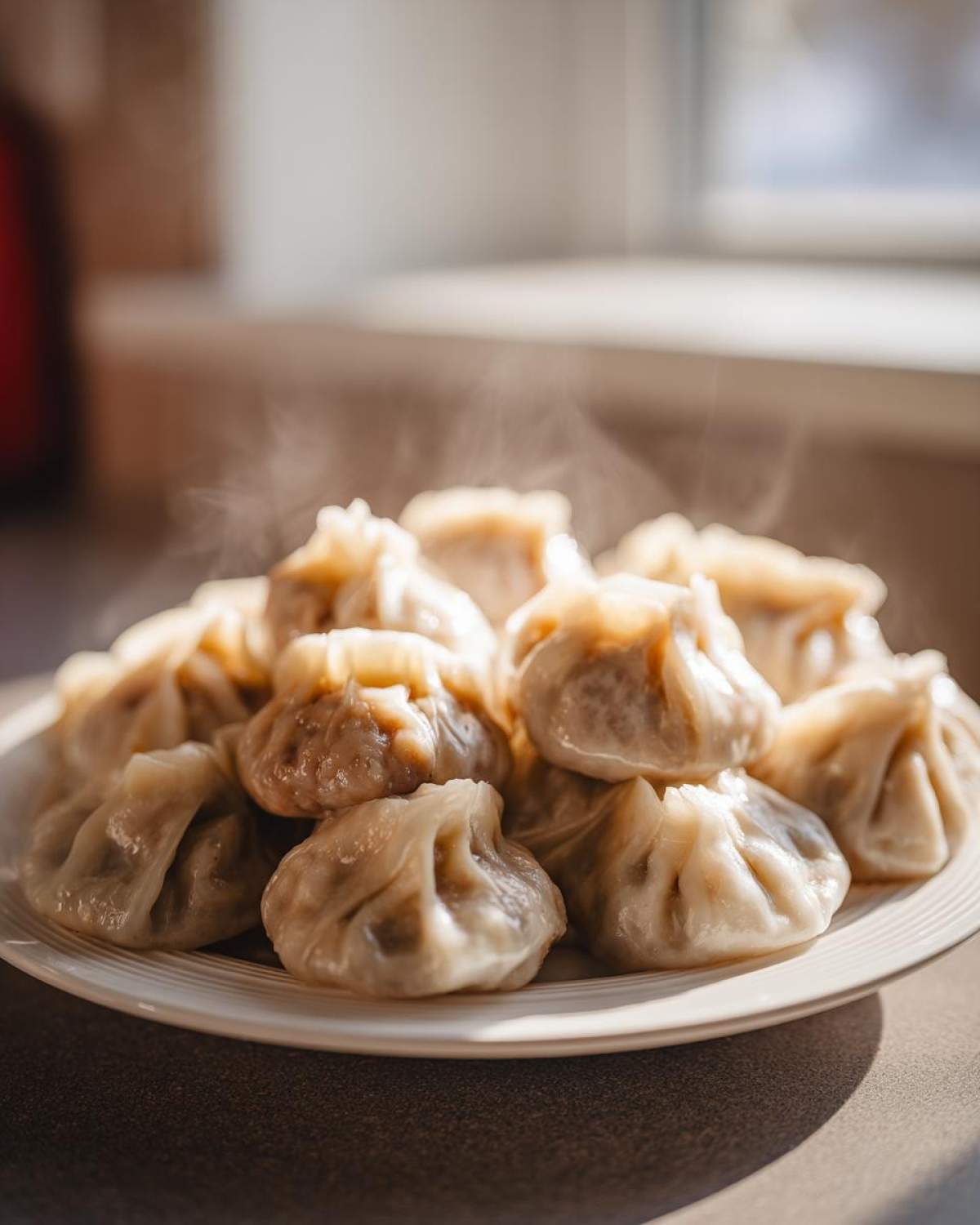
Ingredients for Your Traditional Chinese Dumplings
Okay, while Kai sometimes throws things in based on “feel,” for these Traditional Chinese Dumplings, especially the pork cabbage dumplings filling, we need to be precise! Getting these measurements right is how we ensure the wrappers stay firm and the filling is juicy. Don’t skip the fresh ginger, it makes a huge difference in the final flavor profile. It’s all here so you’re set to prep your station right now!
For the Homemade Dumpling Wrappers
- 2 cups all-purpose flour
- 2/3 cup warm water
For the Savory Pork Cabbage Dumplings Filling
- 1 pound ground pork
- 3 cups finely chopped Napa cabbage
- 1 tablespoon soy sauce
- 1 teaspoon sesame oil
- 1 teaspoon grated fresh ginger
- 1/2 teaspoon salt
- 1/4 teaspoon white pepper
Step-by-Step Instructions to Make Traditional Chinese Dumplings
Okay, here’s where the real fun—and maybe a little chaos—begins! Making these Traditional Chinese Dumplings is a process, but it flows together beautifully once you get into the rhythm. If you’ve ever made my Garlic Noodles, you know we appreciate good, quick technique. Don’t rush the dough rest; that’s non-negotiable for soft wrappers!
Making and Resting the Dough for Homemade Dumpling Wrappers
Start by getting your wrapper dough going first so it can relax! Just toss the flour and warm water together until it gets shaggy. Then, get your hands in there and knead it on a lightly floured spot for a full 8 to 10 minutes. I know, it feels like forever, but you want it super smooth. Once it feels soft, wrap it tight in plastic wrap and just let it chill—I mean rest—for at least 30 minutes. That rest is what lets the gluten relax so your homemade dumpling wrappers roll out like silk!
Preparing the Pork Cabbage Dumplings Filling
While the dough is resting, attack the filling! Grab a big bowl and toss in your ground pork, that finely chopped Napa cabbage, soy sauce, sesame oil, ginger, salt, and pepper. Now, here’s the trick Kai insists on: mix it thoroughly, almost aggressively, until the whole mixture looks sticky and feels bound together. This is what keeps your pork cabbage dumplings from falling apart on their trip into the water.
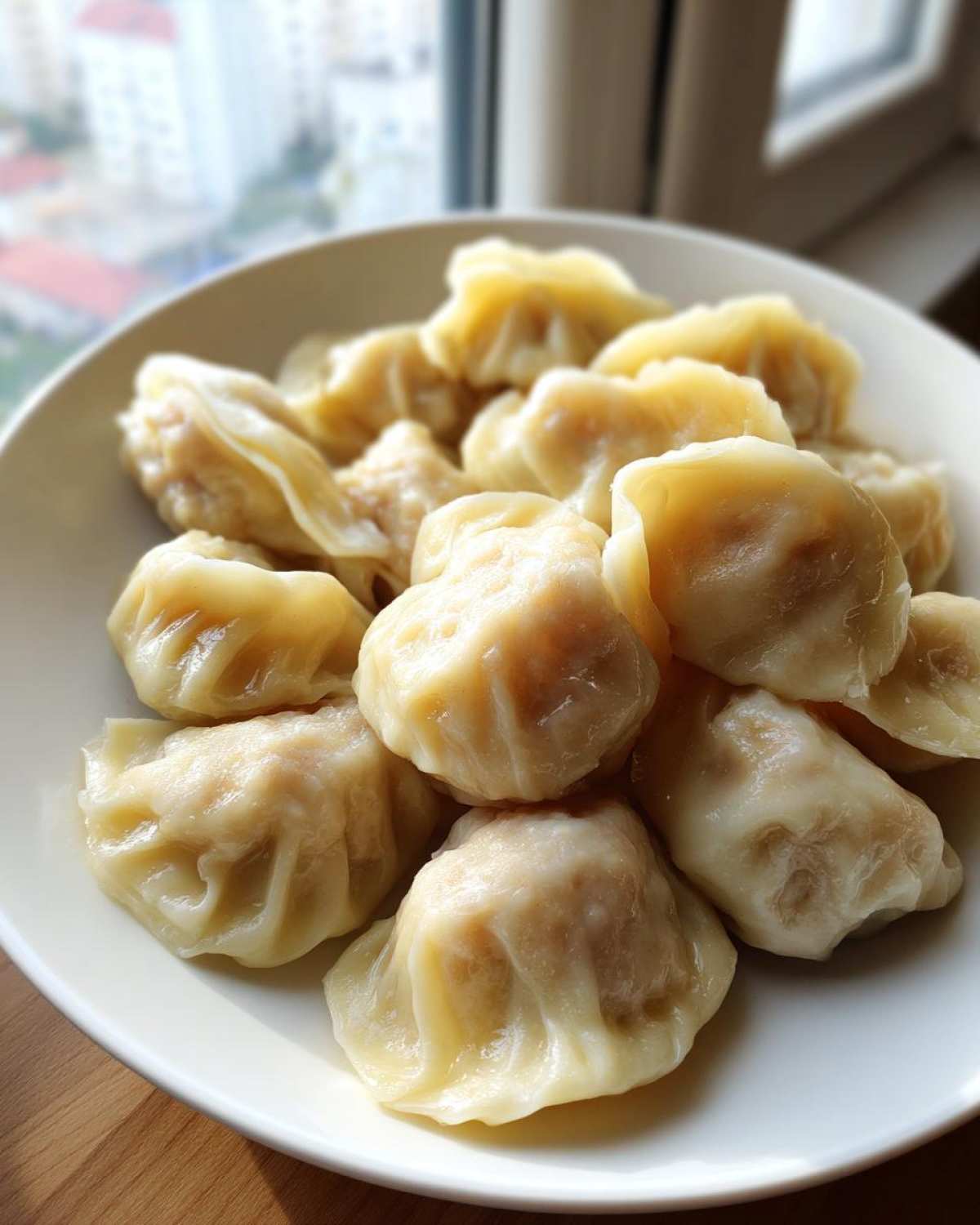
Rolling, Filling, and Pleating Your Authentic Jiaozi
Time to roll! Cut your rested dough into four equal chunks, roll each into a 1-inch rope, and then slice those ropes into little 1/2-inch discs. Flatten those discs and then roll them out thin—aim for about a 3-inch circle. Put about a tablespoon of filling dead center. Before closing, take just a tiny bit of water on your finger and swipe the edges all around. Fold it into a half-moon and pinch the center first. Then, start making those tiny pleats along just one side, pressing firmly as you go. You want those authentic jiaozi sealed tight!
Cooking the Boiled Chinese Dumplings Perfectly
Fill your biggest pot with lots of water and get it to a rolling, enthusiastic boil. Gently drop the dumplings in, being careful not to cram too many in at once—they need room to swim! Give them a little stir right away so they don’t grab the bottom. You’ll know your boiled Chinese dumplings are done when they float up to the surface and stay there, looking plump and cooked through, usually about 5 to 7 minutes. Scoop them out with a slotted spoon and get ready to eat!
Tips for Success Making Traditional Chinese Dumplings
Even with Kai’s family wisdom guiding us, making these beautiful Traditional Chinese Dumplings can have a few little hitches if you rush. I’ve made enough batches now to know exactly where I used to go wrong before I started listening to Kai’s process. A few small tweaks make all the difference between a good batch and a spectacular one!
Achieving the Right Wrapper Consistency
When I first tried making the homemade dumpling wrappers, I’d dump all the water in at once, and BAM—sticky mess! My advice is to add the warm water gradually, a tablespoon at a time, as you mix the flour. You need to stop adding right when the dough starts to come together into something you can handle without it sticking everywhere. It should be firm, not wet, to ensure the wrappers stay strong during boiling.
Preventing Filling Separation in Pork Cabbage Dumplings
Remember how I said to mix the pork cabbage dumplings filling until it’s sticky? You actually have to mix it longer than you think you should. You aren’t just combining ingredients; you are trying to develop the proteins in the pork. If you stop as soon as everything is combined, the filling might crumble when cooked. Take an extra minute to beat that mixture into a paste—that’s the secret to beautiful binding!
Making Freezer Friendly Dumplings for Later
I love that these Traditional Chinese Dumplings are fantastic for Lunar New Year gatherings because you can make a giant batch ahead of time! These are genuinely some of the best freezer friendly dumplings around. The trick is making sure they don’t touch during the initial freeze, or you’ll end up with one giant, sad dumpling blob later—ask me how I know! You want to treat them like little icy bricks until they are safely bagged.
Once all your dumplings are assembled and sealed, lay them out on a baking sheet that you’ve lined with parchment paper. Make absolutely sure none of them are touching. Pop that whole tray into the freezer until every single one is rock solid. Once they are frozen solid, transfer all those beautiful, hard dumplings into heavy-duty freezer bags and get the air out.
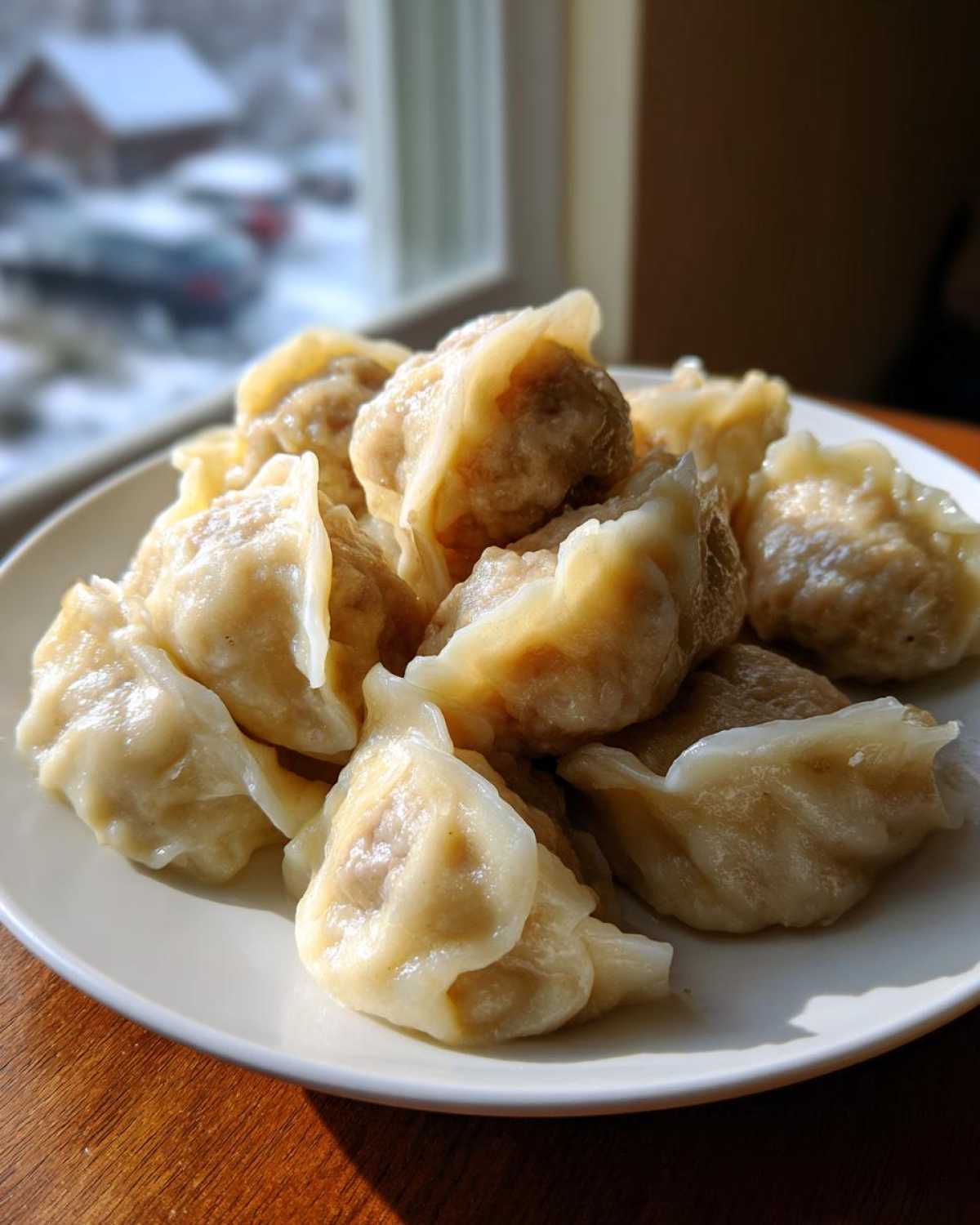
When you are ready to cook them later, just toss them straight from the freezer into the boiling water. You’ll need to add an extra two or three minutes to the cooking time, but having homemade Traditional Chinese Dumplings ready to go anytime is a total game-changer!
Serving Suggestions for Your Authentic Jiaozi
The absolute best part of making these pork cabbage dumplings is dipping them! I know Kai just wants to eat them plain right out of the pot, but you really need a good sauce to finish off your authentic jiaozi. They crave something punchy and bright after that gentle boil.
For a super quick dipping sauce, just whisk together some soy sauce, rice vinegar, a dash of sesame oil, and thinly sliced green onions. If you’re feeling fancy, you can add a tiny crackle of chili oil—Kai loves that part! These are best enjoyed piping hot, straight from the water, so gather everyone at the table immediately!
Storage and Reheating Boiled Chinese Dumplings
So, what happens if you don’t eat all your glorious Traditional Chinese Dumplings in one sitting? Don’t worry, they store well, but you have to handle the cooked ones carefully. Leftovers should go into an airtight container and hang out in the fridge for maybe three days, tops. Anything longer than that, and you risk them getting a little sad and sticky.
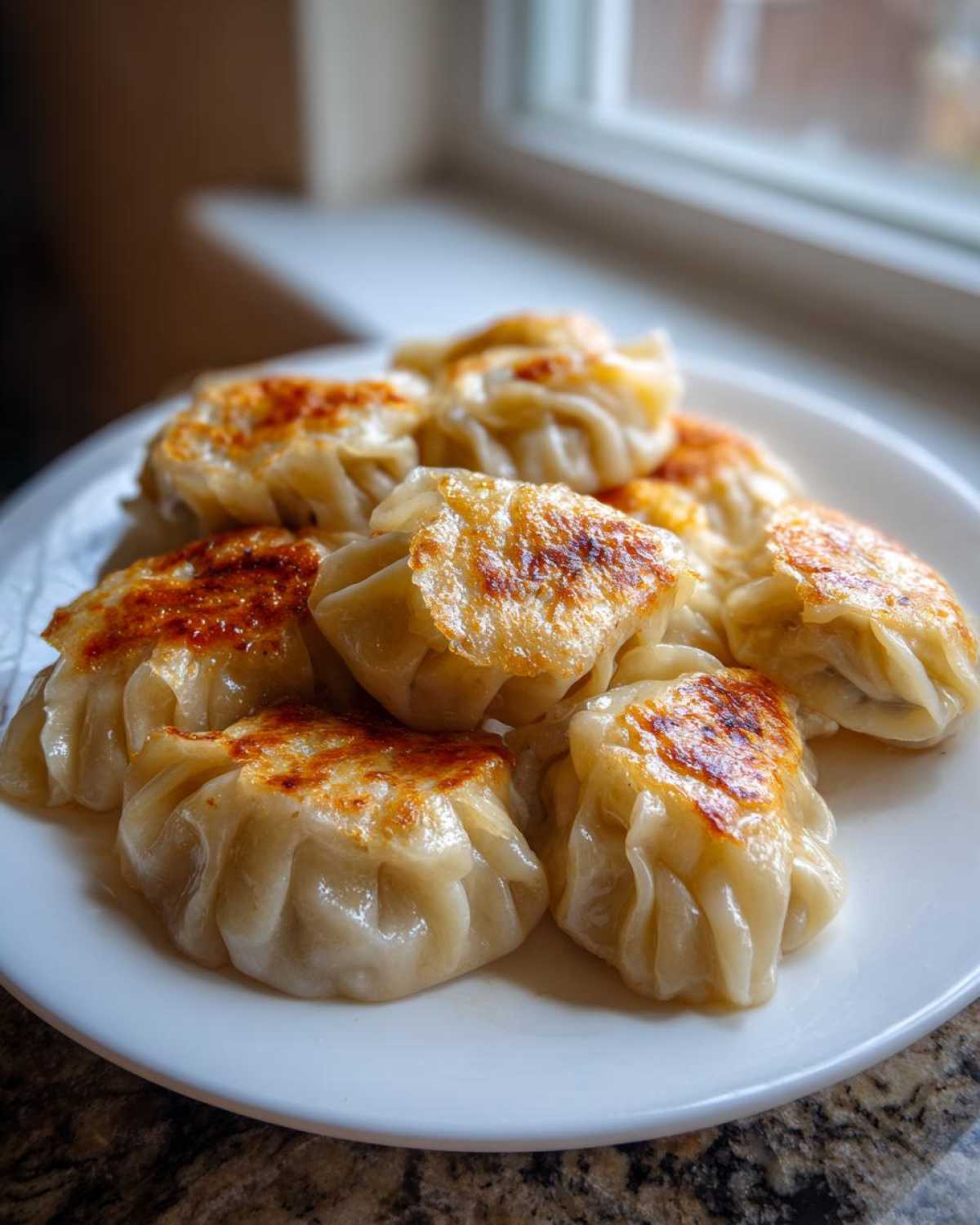
The best way to revive already **boiled Chinese dumplings** is definitely by steaming them; it brings back that soft wrapper texture without letting them get greasy like microwaving does. If you’re feeling ambitious, you can gently pan-fry them in a dab of oil until they get crispy on one side—kind of like a hybrid between boiled and potstickers!
Frequently Asked Questions About Traditional Chinese Dumplings
I always get so many great questions whenever I post about these! It’s natural when you are diving into a recipe like this for the first time. We want you to have success making these Traditional Chinese Dumplings, so here are the things people ask me about most often, especially when preparing for big **Lunar New Year dumplings** parties.
Can I use store-bought wrappers instead of homemade dumpling wrappers?
You absolutely can, and I won’t tell Kai! If you’re running short on time, store-bought wrappers work in a pinch, but here’s the catch: you lose that wonderful slightly chewy yet tender texture that defines our **homemade dumpling wrappers**. Pre-made wrappers are often thicker, so your **Traditional Chinese Dumplings** might feel a bit doughy instead of silky after boiling. It’s a trade-off, but I highly encourage trying the scratch version at least once!
What is the best way to cook these if I don’t want boiled Chinese dumplings?
If you prefer that delicious crispy bottom, I highly recommend the potsticker method! After you boil the **boiled Chinese dumplings** just until they float (about 4 minutes), pull them out. Then, heat a slick of oil in a non-stick skillet over medium-high heat. Place the slightly wet dumplings flat side down and cook until the bottoms turn golden brown and crisp. You get the best of both worlds!
How do I prepare these for Lunar New Year dumplings gatherings?
This is where the **freezer friendly dumplings** notes come in handy! You should make a massive batch of the **pork cabbage dumplings** dough and filling days ahead. Assemble them raw, lay them out on parchment-lined sheets so they don’t touch, and freeze hard. Then bag them up. When your guests arrive, just drop the frozen dumplings straight into boiling water—it saves so much time on the big day!
Estimated Nutritional Data for Pork Cabbage Dumplings
Kai always jokes that when you’re eating something this delicious, you shouldn’t count calories, but I track it anyway! Since we’re dealing with ground pork and homemade wrappers, the numbers shift slightly depending on what brand of soy sauce you use. Think of this as a fun guideline, not a strict law!
Here is the estimated breakdown per serving size (about 5 dumplings):
- Serving Size: 5 dumplings
- Calories: 350
- Fat: 18g (6g Saturated Fat)
- Carbohydrates: 30g
- Protein: 18g
Remember, these are just estimates! If you use leaner pork or increase the cabbage ratio in your **pork cabbage dumplings**, the numbers will change. The key is that you made them yourself, and that’s always a win!
PrintAuthentic Pork and Cabbage Chinese Dumplings (Jiaozi)
Learn to make traditional Chinese dumplings with homemade wrappers and a savory pork and cabbage filling. This recipe is perfect for weeknight dinners or Lunar New Year celebrations.
- Prep Time: 45 min
- Cook Time: 10 min
- Total Time: 55 min
- Yield: 4 servings
- Category: Main Course
- Method: Boiling
- Cuisine: Chinese
- Diet: None
Ingredients
- 2 cups all-purpose flour
- 2/3 cup warm water
- 1 pound ground pork
- 3 cups finely chopped Napa cabbage
- 1 tablespoon soy sauce
- 1 teaspoon sesame oil
- 1 teaspoon grated fresh ginger
- 1/2 teaspoon salt
- 1/4 teaspoon white pepper
Instructions
- Make the wrappers: Combine flour and warm water in a bowl. Mix until a shaggy dough forms. Knead on a lightly floured surface for 8 to 10 minutes until smooth. Cover the dough and let it rest for 30 minutes.
- Prepare the filling: In a large bowl, combine the ground pork, chopped Napa cabbage, soy sauce, sesame oil, ginger, salt, and white pepper. Mix thoroughly until the mixture is sticky and well combined.
- Roll the wrappers: Divide the rested dough into four equal pieces. Roll each piece into a long rope, about 1 inch thick. Cut the ropes into 1/2-inch pieces. Roll each piece into a thin circle, about 3 inches in diameter.
- Assemble the dumplings: Place about 1 tablespoon of filling in the center of a wrapper. Moisten the edges with water. Fold the wrapper in half to create a half-moon shape, pinching the center closed. Create small pleats along one edge, pressing firmly to seal the dumpling completely.
- Cook the dumplings: Bring a large pot of water to a rolling boil. Gently drop the dumplings into the water, making sure not to overcrowd the pot. Stir gently to prevent sticking.
- Boil for 5 to 7 minutes, or until the dumplings float and the filling is cooked through. Remove with a slotted spoon.
Notes
- For freezer friendly dumplings: Arrange uncooked dumplings on a baking sheet lined with parchment paper, ensuring they do not touch. Freeze until solid, then transfer to a freezer bag. Cook directly from frozen, adding 2 to 3 minutes to the cooking time.
- You can substitute Napa cabbage with regular green cabbage if needed.
- Serve your authentic jiaozi immediately with your favorite dipping sauce.
Nutrition
- Serving Size: 5 dumplings
- Calories: 350
- Sugar: 2
- Sodium: 450
- Fat: 18
- Saturated Fat: 6
- Unsaturated Fat: 12
- Trans Fat: 0
- Carbohydrates: 30
- Fiber: 2
- Protein: 18
- Cholesterol: 65