

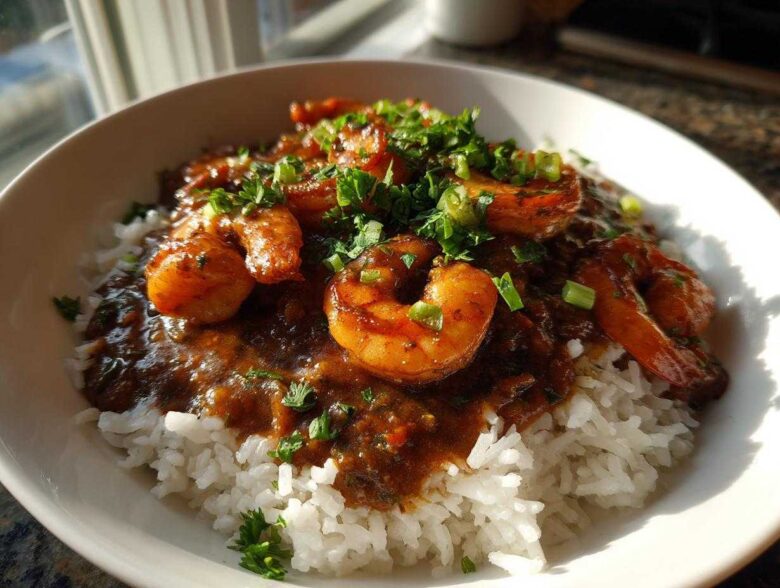
Oh, friend, let me tell you, there is nothing—and I mean *nothing*—that smells like home to me quite like a pot of deep, simmering Louisiana magic. We aren’t splashing things together here; we are building flavor brick by brick. Forget those pale imitations you might have tried! The secret weapon for truly authentic shrimp etouffee isn’t some fancy spice you can’t find; it’s all about the roux. I spent years messing up roux, burning it, thinning it out, but I finally cracked the code. This recipe is the result of genuine practice and frankly, a couple of scorched pots. Trust me, once you nail that dark color, you’ve unlocked the best homemade etouffee possible, and you’ll never look back!
Why You’ll Love This Authentic Shrimp Etouffee Recipe
Seriously, this isn’t just another weeknight dinner; this is a bowl of pure comfort, straight from the bayou! When you put the work into that roux, the payoff is just unbelievable. You get a depth of flavor that jars and mixes just can’t touch. Here’s why this recipe is going to live in your rotation forever:
- That Deep Flavor: We’re talking about a luxurious, dark sauce that tastes like it simmered on the stove for days, not just an hour. That’s the magic of a proper roux!
- Perfectly Tender Shrimp: I give you the exact timing needed so you never end up with chewy, rubbery shrimp again. They stay sweet and just barely cooked through.
- It’s a True Classic: This uses the traditional trinity vegetables and techniques, making it a real classic Louisiana dinner experience right in your own kitchen.
- The Roux is Worth It: I know making a roux can seem scary, but I break it down simply. Once you see how dark it gets, you’ll realize it’s just focused stirring, patience, and rewarding payoff.
- Wonderful Seafood Comfort Food: Rich, savory, and perfect when spooned over fluffy white rice—it’s the ultimate dish for a cozy night in.
Essential Ingredients for True Shrimp Etouffee Flavor
Listen, you can’t make award-winning *shrimp etouffee* with second-rate ingredients. This is where the flavor starts, long before that roux even hits the heat! Since this is a classic Creole seafood recipe, the freshness of your components really shines through. If your shrimp aren’t fresh, tasting vibrant and sweet, the whole dish suffers, so always make sure you’re buying high-quality medium shrimp, peeled and deveined, if you can. Here is exactly what you need to gather—no substitutions on these amounts, please!
- 1/2 cup all-purpose flour
- 1/2 cup vegetable oil
- 1 large yellow onion, chopped
- 1 green bell pepper, chopped
- 2 celery stalks, chopped
- 3 cloves garlic, minced
- 1 pound medium shrimp, peeled and deveined
- 4 cups seafood or chicken stock
- 1 (14.5 ounce) can diced tomatoes, undrained
- 1 teaspoon dried thyme
- 1 teaspoon Creole or Cajun seasoning (plus more to taste)
- 1/2 teaspoon salt
- 1/4 teaspoon black pepper
- 1/4 cup chopped green onions, for garnish
- 1/4 cup chopped fresh parsley, for garnish
- Cooked white rice, for serving
Ingredient Notes and Substitutions for Shrimp Etouffee
For the roux, vegetable oil is my go-to because it has a neutral flavor and a high smoke point—don’t use butter here, it will burn too fast! You must use the trinity: onion, bell pepper, and celery. That’s the base of almost all great New Orleans cooking at home. If you only have Cajun seasoning, that’s fine, but Creole seasoning often has dried herbs mixed in, which I prefer for this dish. Make sure whatever you use has good salt content.
Mastering How to Make a Dark Roux for Shrimp Etouffee
Okay, take a deep breath. This is the part where most people throw in the towel, but if you want that rich, true Louisiana taste, you have to stick with me through the roux. We are going to learn how to make a dark roux, and it requires focus, not speed. Grab your heaviest pot—a cast iron Dutch oven is perfect—and set your heat to medium. Add that half-cup of oil and the flour, and get whisking immediately. I mean, you cannot stop whisking! Don’t wander off to check your phone; don’t even run to grab a drink. This process takes patience, often 25 to 40 minutes, depending on your stove’s temperature.
The color progression is wild, moving from white to blonde, then peanut butter. What we are aiming for is that glorious, deep chocolate color. It should look like melted dark chocolate—that’s the perfect cue! If you see little black specks starting to form, you’ve gone too far, so pull it off the heat immediately. Once you hit that color, you’ve successfully built the entire foundation for your shrimp etouffee. That bitterness, that nutty depth—that’s the flavor that makes this dish legendary.
Building the Flavor Base: Adding the Trinity to Your Shrimp Etouffee
The moment your roux hits that dark chocolate color, pull it right down onto a lower heat setting—medium-low is usually perfect. Now, quickly toss in your chopped onion, green bell pepper, and the celery. This is the Holy Trinity of Louisiana cooking, and sweating these vegetables into the hot dark roux is how you transform a plain oil-and-flour base into something truly savory. Don’t rush this part either; stir often! We need those vegetables to soften up and surrender all their sweet, earthy flavor right into the fat.
After the trinity has softened up nicely, which usually takes about eight minutes, go ahead and stir in your minced garlic. Garlic burns faster than anything, so give it just one minute until you can really smell that fragrance—you know that beautiful, sharp scent? That’s the signal that the base layer for your shrimp etouffee is fully developed. You are now cooking with the foundation of great bayou cooking secrets!
Simmering the Sauce for Deep Flavor Seafood Sauce in this Shrimp Etouffee
Now that our trinity is happy in the roux, it’s time to get some liquid in there to start building that incredible sauce. This is where things come together quickly! Go ahead and stir in your diced tomatoes—make sure you use the whole can, juices and all, because that acidity really brightens up the dark roux flavor. Then pour in your four cups of stock. I usually use seafood stock if I have it on hand, but good chicken stock works just fine if you’re making this for a weeknight dinner and don’t have seafood stock ready to go.
Next, toss in your herbs and seasonings: the thyme, your teaspoon of Creole seasoning, salt, and pepper. Give it a really good stir to make sure everything incorporates well into that thick base. Bring the whole pot up to a gentle simmer. This isn’t a rolling boil; we want a relaxed bubble, so turn your heat down low. You want this part to go slow because we are developing a deep flavor seafood sauce here. I know the recipe says at least 30 minutes, but honestly, if you can let it go for an hour, go for it! Stir it every ten minutes or so, just to make sure nothing is sticking to the bottom of that heavy pot. That simmer time is what lets all those individual flavors—the smoke from the roux, the sweetness from the pepper, the herbs—get married.
Just a little heads-up! If you happen to have vegetable or chicken stock on hand but no seafood stock, check out my quick guide on making basic seafood broth if you have some shrimp shells lying around. It really elevates this dish, but even without it, the base is strong enough to stand on its own. Seriously, don’t skip that half-hour simmer though; it transforms the whole pot!
Perfectly Cooking the Shrimp in Your Shrimp Etouffee
Okay, we have the beautiful dark sauce, the trinity is singing, and the flavor is deep—now for the star of the show! If you mess up the shrimp, you ruin the entire pot, so pay close attention here. This is arguably the most critical part when making any great creole seafood recipe.
Remember, the sauce is already simmering and it’s hot because we’ve been letting it develop for at least half an hour. When you add your peeled and deveined shrimp (go ahead and make sure they are fully thawed and patted dry first—excess water thins our sauce!), you need to get ready to watch them like a hawk. Dump them right into that simmering liquid and stir them gently around to coat them fully.
Here is the secret police procedural tip: they cook FAST. Seriously, we are talking 3 to 5 minutes, tops. You’ll know they are done when they turn from that translucent grey to a beautiful, vibrant, opaque pink. That’s your cue! The absolute second they look done, you turn off the heat underneath. If you let them continue cooking, even for another minute or two while you’re busy setting out plates, they are going to seize up, toughen, and become rubbery little nightmares. We want tender, luscious shrimp in this shrimp etouffee, not tiny bouncy balls!
Once they are pink, taste the sauce again for seasoning—because the shrimp will dilute the salt slightly—and then immediately serve this amazing dish over some fluffy, hot white rice. If you are feeling nervous about the timing, cook half the shrimp first, serve that portion, and then drop the second half into the pot while everyone is eating the first round. If you’re cooking for just two people, only add half the shrimp at a time. Trust me, stopping that cooking process right on time is the difference between amazing shrimp etouffee and just okay seafood stew over rice!
Tips for Success with Your Homemade Shrimp Etouffee
You’ve mastered the scary part—the dark roux! But even after that hurdle, a few little tricks from my kitchen can really push your shrimp etouffee over the top from great to absolutely unbeatable. These are the things I learned through trial and error that I never write down on my actual recipe card, but I want you to know them!
First, let’s talk color again: the final flavor of your entire dish hinges on that roux. If you stop stirring too soon and it’s only a peanut butter color, it’s beautiful, but it’s going to taste milder. If you want that true, authentic Louisiana punch, you must push it until it’s the color of dark chocolate. It looks scary, but that deep roasted flavor is exactly what we’re chasing for a savory southern seafood experience.
Second, it’s all about the spice level, right? You added the teaspoon of Creole seasoning, but trust your tastebuds! If you like things spicy, don’t be shy. Add a quarter teaspoon of cayenne pepper when you throw in the other seasonings. We are aiming for delicious heat, not just warming; this is a spicy shrimp stew over rice, after all! If you’re worried you went too strong, adding that cornstarch slurry (if you need a thicker sauce) can sometimes buffer the heat just a tiny bit, though I prefer to just drink more sweet tea.
And speaking of thickening—if you notice after that 30-minute simmer that your sauce looks a bit too thin for your liking, I have a trick! Don’t worry about adding extra flour; that can unbalance the roux flavor. Instead, just scoop out about a cup of that simmering liquid into a separate mug. Whisk in one smooth tablespoon of cornstarch until there are absolutely no lumps left, and then drizzle that mixture slowly back into the pot *while stirring*. It thickens right up, and you avoid dulling that hard-earned roux color.
Serving Suggestions for This Classic Louisiana Dinner
Now that you’ve put in all that hard work—the slow-motion roux, the patient simmering—we finally get to the payoff! Serving up this beautiful shrimp etouffee is almost as important as cooking it. Remember that Step 8 calls for serving this spicy shrimp stew right over hot, fluffy white rice, and that’s non-negotiable in my book.
The rice acts as the perfect, neutral sponge to soak up all that magical sauce. I always steam my long-grain white rice separately, never cooking it directly in the etouffee, because we want distinct grains, not a mushy base. You need a generous scoop of hot rice on the plate, and then ladle that rich, dark etouffee right over the top, making sure every serving gets plenty of those plump, perfectly cooked shrimp.
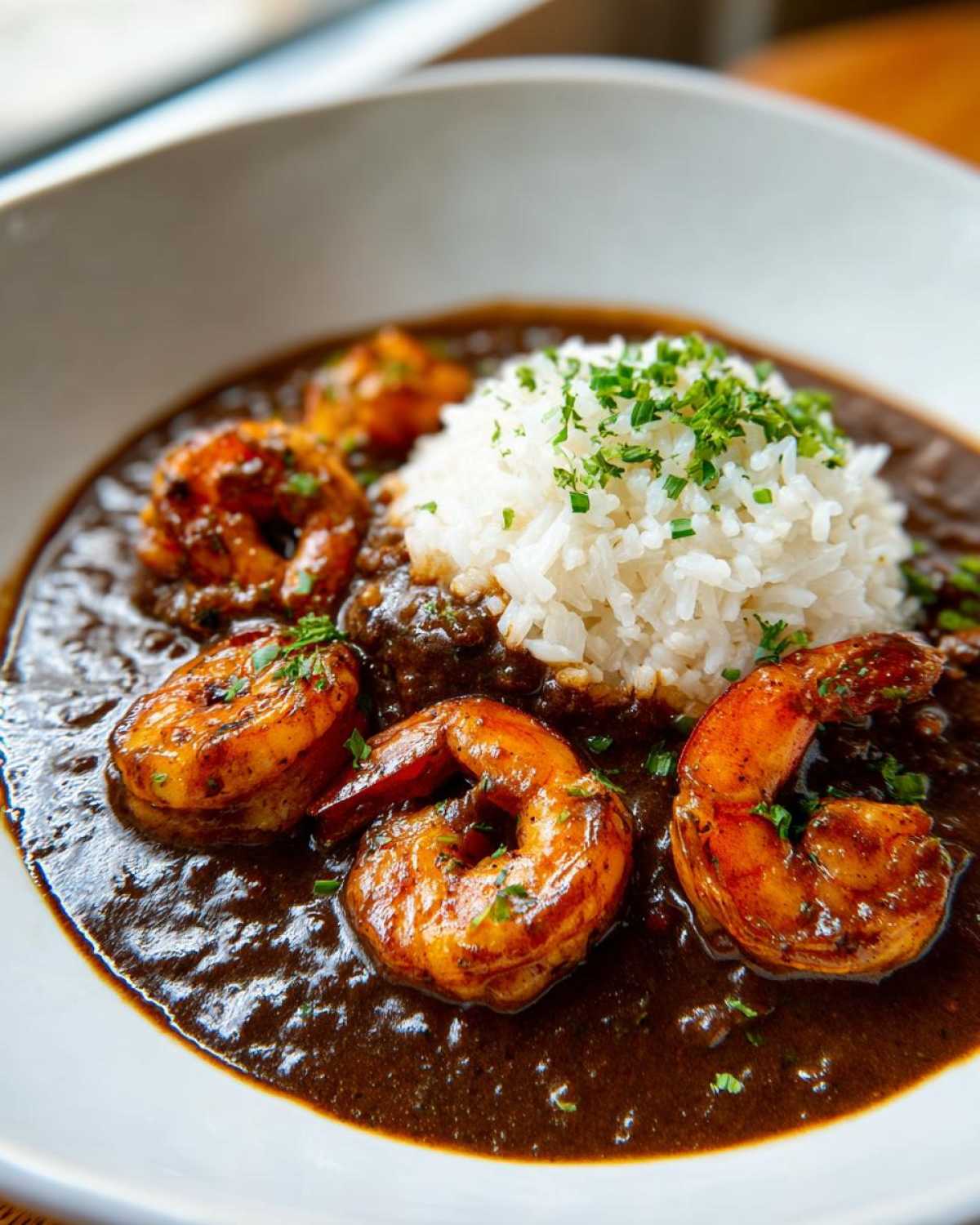
Once it’s plated, you absolutely must reach for those fresh garnishes! I sprinkle a bright mix of chopped green onions and fresh parsley right over the top. These aren’t just for looks, believe me; the little bit of sharp freshness cuts through the richness of the roux and gives you that final pop of flavor. It’s what separates a good bowl from a fantastic one.
If you’re setting this out as part of a full spread of southern comfort food classics, what goes on the side? Keep it simple! A crisp, slightly vinegary green salad is wonderful to balance the heaviness. Or, if you want to double down on the Southern vibe, a side of crusty French bread for dipping into any leftover sauce is perfection. Sometimes, if I’m feeling ambitious, I’ll make some quick hot sauce butter biscuits, but honestly, I usually can’t stop eating it long enough to make biscuits!
Serve it piping hot, maybe with an ice-cold Louisiana beer or a tall glass of sweet tea, and enjoy every single spoonful of your hard-earned authentic shrimp etouffee recipe. You earned this!
Frequently Asked Questions About Shrimp Etouffee
After all that whisking and simmering, I know you might still have a couple of little nagging questions floating around in your head. That’s totally normal when you’re tackling a dish like this! Don’t worry for a second; I’ve heard all the questions before, especially from people trying to nail that perfect New Orleans cooking at home vibe.
Can I use pre-made roux for this authentic shrimp etouffee recipe?
Look, I get it. Sometimes you’re aiming for a quick shrimp etouffee, and stirring flour and oil for 40 minutes just isn’t in the cards. You *can* use store-bought roux, especially if it’s a good quality jarred product. However, I have to be honest: the flavor won’t be quite as deep or complex as what you get when you make it yourself right in the pot. The homemade, dark chocolate color roux is what delivers that unmistakable, rich, savory southern seafood base that makes this dish legendary. If you use pre-made, just make darn sure it’s already quite dark, or you’re going to miss some of that authentic Cajun kick!
What is the difference between Cajun seasoning for etouffee and Creole seasoning?
This is a great question because people mix them up all the time! Generally speaking, the big difference is that most Creole seasoning blends are more herb-forward—think onion powder, garlic powder, oregano, and thyme, in addition to the heat. Cajun seasoning tends to focus more intensely on pepper, salt, and cayenne; it’s usually thicker and less herbaceous. For this recipe, I called for Creole seasoning specifically because the herbs blend so nicely with the tomatoes and the trinity vegetables. But if all you have is a good Cajun seasoning for etouffee, go ahead and use it! Just maybe taste the sauce before you add the rest of your salt, since Cajun blends are often saltier.
If I want this to be spicier, what should I do?
If you’re looking for that real kick—the kind that makes you open a window for some fresh air—you’ve come to the right place! This recipe gives you a nice warmth, but if you want to turn this into a true fiery experience, add a quarter teaspoon of cayenne pepper right along with the thyme and Creole seasoning in Step 4. That extra heat works beautifully with the shrimp. It really takes it into that spicy shrimp stew territory, which is perfect for those of us who like our seafood comfort food with a little bit of a bite!
Can I make this ahead of time, or is it best served immediately?
You know what’s amazing about a roux-based dish? It’s even better the next day! After your shrimp etouffee simmers for 30 minutes, the flavors have already melded, but chilling it overnight lets those deep, earthy flavors settle down and marry even better. If you are making it ahead, stir in the shrimp just 5 minutes before serving, or if you cook the shrimp the night before, reheat the sauce *gently* on the stove and then add the pre-cooked shrimp in the last minute just to warm them through. Never boil shrimp that’s been sitting!
Nutritional Estimates for Your Shrimp Etouffee
I always feel a little weird talking about nutrition when we are knee-deep in rich, dark roux and savory seafood, but I know some of you need to plan ahead! So, here are the rough estimates for one serving of this flavorful shrimp etouffee. Please remember, this is just a general guide, and the actual numbers will change depending on the exact type of oil you use or how much seasoning you really pile in there!
It is super important to note that these figures are calculated for one serving size *without* any rice added. Since you can serve this over a mountain of rice (and you probably should!), you’ll need to factor that in separately if you’re counting calories or carbs for dinner ideas with shrimp and rice.
- Serving Size: 1 serving (without rice)
- Calories: 450
- Fat: 28g (Try to remember that much of this is from the initial oil in the roux, which is necessary for authentic flavor!)
- Saturated Fat: 5g
- Carbohydrates: 25g
- Protein: 28g
- Sugar: 5g
- Sodium: 750mg (This varies wildly depending on your stock and seasoning blend, so taste before you salt!)
If you are trying to keep sodium down while still enjoying this ultimate bowl of seafood comfort food, look for low-sodium stock and go easy on adding extra salt until you taste it after the shrimp goes in. I promise, sticking to the plan for that dark roux and letting it simmer slow and low is the key to flavor, not relying on an excess of salt! For more information on how we handle data here at the blog, you can check out our official policies anytime.
Share Your New Orleans Cooking at Home Experience
Well, my friend, that’s it! You have officially made authentic, deep-flavored, proper Louisiana shrimp etouffee. I’m already starving just thinking about it!
Now comes the best part for me: hearing from you. Did you manage to capture that perfect dark chocolate color on your roux? Did you sweat your trinity until it practically melted into the base? I want to hear all the details! Please don’t be shy—jump down into the comments below and tell me how it went. Any little victory you had, especially surviving that long stirring session, deserves a round of applause!
If you loved this recipe for tackling New Orleans cooking at home, please do me a huge favor and give it a rating. Stars are wonderful, but your genuine stories mean the world to me. And if you managed to snap a beautiful, dark, saucy picture of your finished bowl served over rice, tag me! I absolutely love seeing your creations come to life in your kitchens. It keeps me inspired to share more of these treasured family methods!
If you have any lingering questions that I didn’t cover, or if you need a suggestion for a side dish, drop those in the comments too. I try to answer every single one! For any official or formal inquiries regarding the site, you can always reach out through our contact page. Now go eat that amazing shrimp etouffee!
PrintAuthentic Shrimp Etouffee: Mastering the Roux for True Louisiana Taste

Make classic Shrimp Etouffee by learning to create a deep, dark roux. This recipe delivers rich, authentic Cajun flavor served over fluffy white rice.
- Prep Time: 20 min
- Cook Time: 55 min
- Total Time: 75 min
- Yield: 4 servings
- Category: Dinner
- Method: Stovetop Simmering
- Cuisine: Cajun/Creole
- Diet: Seafood
Ingredients
- 1/2 cup all-purpose flour
- 1/2 cup vegetable oil
- 1 large yellow onion, chopped
- 1 green bell pepper, chopped
- 2 celery stalks, chopped
- 3 cloves garlic, minced
- 1 pound medium shrimp, peeled and deveined
- 4 cups seafood or chicken stock
- 1 (14.5 ounce) can diced tomatoes, undrained
- 1 teaspoon dried thyme
- 1 teaspoon Creole or Cajun seasoning (plus more to taste)
- 1/2 teaspoon salt
- 1/4 teaspoon black pepper
- 1/4 cup chopped green onions, for garnish
- 1/4 cup chopped fresh parsley, for garnish
- Cooked white rice, for serving
Instructions
- Make the roux: In a heavy-bottomed pot or Dutch oven, combine the flour and oil over medium heat. Whisk constantly until the mixture turns the color of dark chocolate, about 25 to 40 minutes. Watch carefully to prevent burning.
- Add the trinity: Reduce the heat to medium-low. Add the chopped onion, bell pepper, and celery to the roux. Cook, stirring frequently, until the vegetables soften, about 8 minutes.
- Add the garlic and cook for 1 minute more until fragrant.
- Build the base: Stir in the diced tomatoes, seafood stock, thyme, Creole seasoning, salt, and pepper. Bring the mixture to a simmer.
- Simmer: Reduce the heat to low, cover partially, and let the etouffee simmer for at least 30 minutes, stirring occasionally, to allow the flavors to meld.
- Cook the shrimp: Add the peeled and deveined shrimp to the simmering sauce. Cook for 3 to 5 minutes, just until the shrimp turn pink and opaque. Do not overcook the shrimp.
- Taste and adjust seasoning as needed.
- Serve immediately over hot cooked white rice. Garnish each serving with fresh green onions and parsley.
Notes
- The color of your roux dictates the depth of flavor; aim for a dark, peanut butter to chocolate color for authentic taste.
- If you prefer a spicier dish, add 1/4 teaspoon of cayenne pepper with the other seasonings.
- For a thicker sauce, remove about 1 cup of the simmering liquid, mix in 1 tablespoon of cornstarch, and stir back into the pot before adding the shrimp.
Nutrition
- Serving Size: 1 serving (without rice)
- Calories: 450
- Sugar: 5
- Sodium: 750
- Fat: 28
- Saturated Fat: 5
- Unsaturated Fat: 23
- Trans Fat: 0
- Carbohydrates: 25
- Fiber: 3
- Protein: 28
- Cholesterol: 210